
Ruby Bridges: Pioneer of School Desegregation in the American South
Ruby Bridges, born 1954, was the first Black child to integrate an all-white elementary school in the Deep South. Her 1960 attendance at William Frantz Elementary became a defining moment in the U.S. civil rights movement.
Ruby Bridges (born September 8, 1954) is an American civil rights figure best known for integrating an all-white elementary school as a six-year-old. In 1960 she became the first Black child to attend William Frantz Elementary School in New Orleans after a federal court order. Her attendance challenged entrenched segregation in public education and made her a visible symbol of the struggle for equal schooling across the United States. For further context see civil rights history.
Image gallery
5 Images


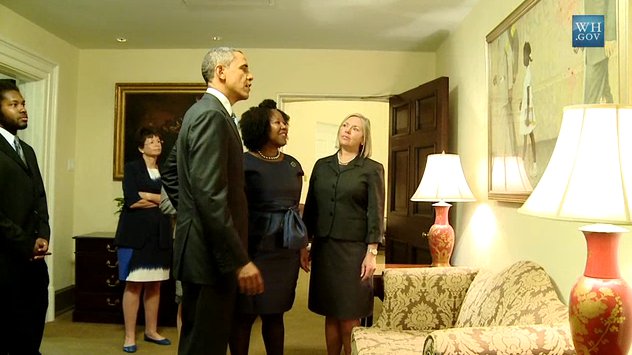
The 1960 integration
The day Ruby entered the school she was escorted by U.S. Marshals amid angry crowds and hostile protests. Many white parents withdrew their children, and for months she was taught alone in a classroom because other families kept their kids at home. A single teacher, Barbara Henry from Boston, volunteered to teach Ruby; their classroom relationship is often highlighted as a humane counterpoint to the hostility outside. Other details and primary accounts are available through educational archives and biographies (biographical resources).
Why it mattered
Ruby Bridges' experience illustrated how the Supreme Court's decisions on school segregation translated into everyday conflict and change. Her daily walks into school, flanked by federal protection, became an image of both resistance and hope. The incident drew national attention and helped focus public debate on the pace and implementation of desegregation in the Deep South and beyond (desegregation in schools).
Legacy and later work
As an adult Ruby Bridges has worked to promote tolerance and educational equality. She created a foundation to support these goals and has spoken publicly about her childhood to encourage civil conversation and inclusive schooling. Her story appears in children's books, classroom lessons, museums, and public art, making her an enduring figure in American memory. Scholars and teachers continue to use her example when discussing the history of race and education in the American South.
Notable representations
- Norman Rockwell's painting "The Problem We All Live With" portrayed her walk to school and reached wide audiences.
- Several children's books and classroom resources recount her life to introduce young students to civil rights history.
- Her story is often cited in discussions about school policy, desegregation outcomes, and community responses to change.
Further reading and archival materials can be found through educational institutions, museum collections, and oral-history projects; for curated overviews and primary documents consult general civil rights collections and local New Orleans archives (overview, biography, legal context, regional history).
Questions and answers
Q: Who is Ruby Bridges?
A: Ruby Bridges is an American activist who is famous for being the first black child to attend an all-white elementary school in the South.
Q: When was Ruby Bridges born?
A: Ruby Bridges was born on September 8, 1954.
Q: What is the name of the elementary school Ruby Bridges attended?
A: Ruby Bridges attended William Frantz Elementary School in Louisiana, USA.
Q: What is Ruby Bridges known for?
A: Ruby Bridges is known for being the first black child to attend an all-white elementary school in the South.
Q: Why is Ruby Bridges important?
A: Ruby Bridges is important because she played a significant role in the civil rights movement, and her bravery and courage helped pave the way for desegregation in schools.
Q: What impact did Ruby Bridges have on American history?
A: Ruby Bridges' actions helped to challenge and overcome racial segregation, and her role in desegregating schools helped to set an important precedent for equal rights in education.
Q: What can we learn from the story of Ruby Bridges?
A: We can learn that it takes courage and perseverance to fight for what is right, even in the face of adversity and discrimination. Ruby Bridges also teaches us about the importance of standing up for our beliefs and making a positive impact in our communities.
Author
AlegsaOnline.com Ruby Bridges: Pioneer of School Desegregation in the American South Leandro Alegsa
URL: https://en.alegsaonline.com/art/130154