
Afrotropic (Afrotropical realm): geography, biodiversity and conservation
The Afrotropic is the Earth's tropical and subtropical ecozone covering Sub‑Saharan Africa, Madagascar, parts of Arabia and nearby islands; noted for high biodiversity, endemism and varied biomes.
Overview
The Afrotropic (often called the Afrotropical realm or formerly the Ethiopian zone) is one of Earth's eight major ecozones. It comprises the tropical and many subtropical lands of the African continent and adjacent regions, and is recognized in global biogeographic schemes as a distinct evolutionary and ecological unit. For context on global divisions see earth's ecozones.
Image gallery
8 Images




Geographic extent and major regions
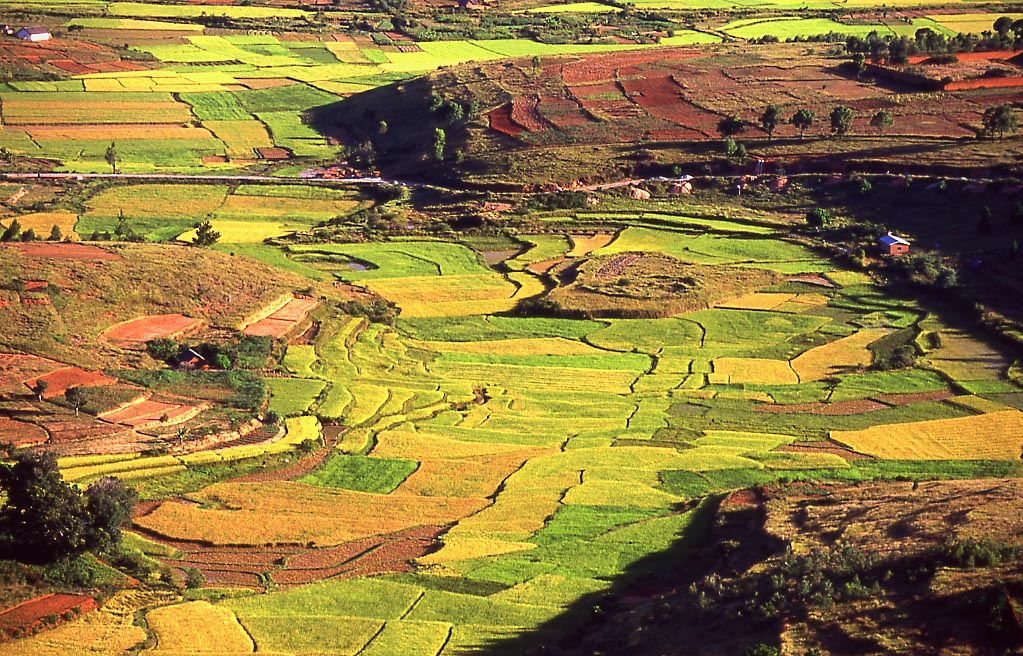
The realm includes most of Africa south of the Sahara, the southern and eastern portions of the Arabian Peninsula, the island of Madagascar, parts of southern Iran and extreme southwestern Pakistan, plus numerous islands in the western Indian Ocean. This wide area produces sharp regional contrasts—from coastal forests and major river basins to arid deserts and high mountain plateaus.
Characteristic landscapes and biomes
Major biomes within the Afrotropic include:
- Equatorial and montane rainforests (e.g., the Congo Basin)
- Extensive savannas and grasslands (home to iconic large-mammal assemblages)
- Dry woodland and thorn scrub
- Hot deserts and semi-deserts such as the Namib and Kalahari
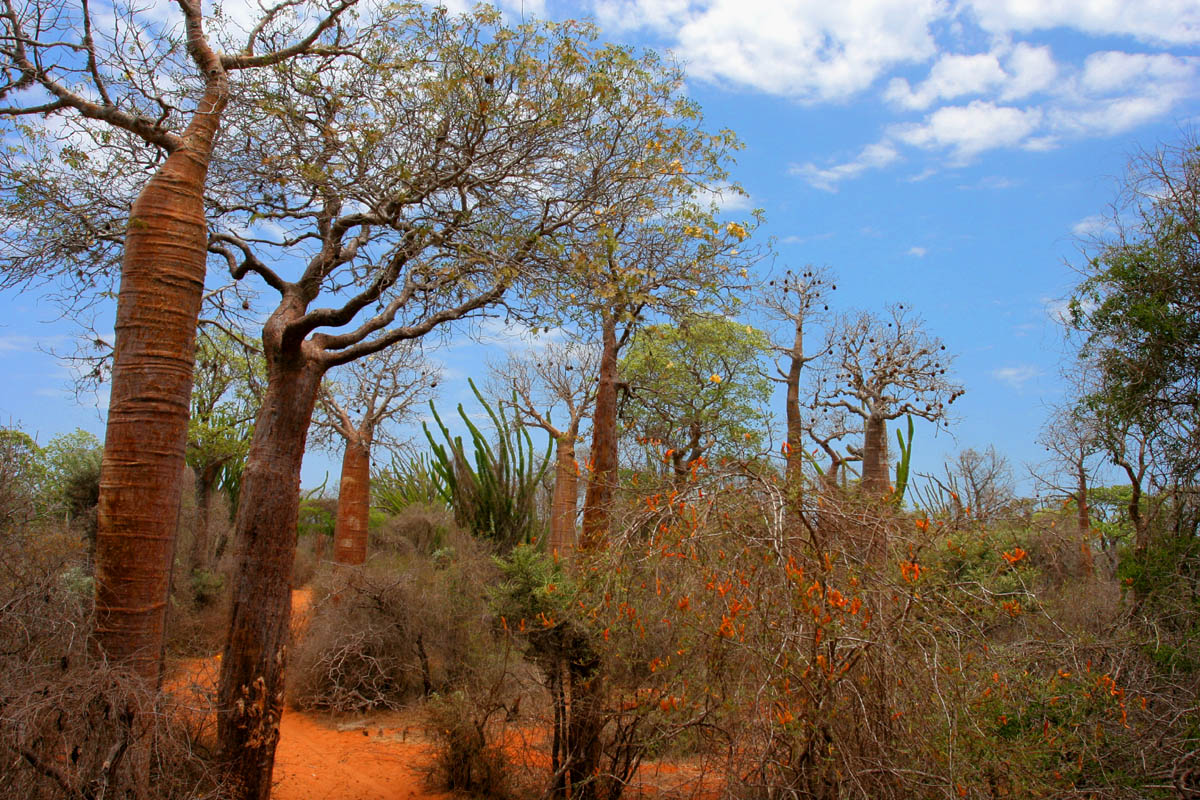
- Unique island ecosystems, especially on Madagascar and other ocean islands
Biodiversity and endemism
The Afrotropic harbors high species richness and many endemic lineages. Madagascar is famed for its lemurs and plant families found nowhere else. Tropical rainforests host large trees, diverse understory plants and complex animal communities, while savannas support migratory herbivores and their predators. Conservation priorities often target endemic hotspots and large remaining tracts of intact habitat.
Geological origins and historical context
Much of the Afrotropic was part of the southern supercontinent Gondwana, a landmass whose breakup beginning about 150 million years ago shaped present-day distributions. Geological separation and long-term isolation, especially of islands and mountain refuges, encouraged the evolution of distinct faunas and floras. The historical label "Ethiopian" persists in some older literature but has been largely replaced by Afrotropical or Afrotropic in modern biogeography.
Human use, threats and conservation
Human societies across the Afrotropic depend on its ecosystems for food, timber, grazing and cultural values. Rapid population growth, agricultural expansion, logging, mining and climate change threaten habitats. Key conservation efforts focus on protected areas, sustainable land management, and international support for biodiversity hotspots. Regional conservation planning often references international frameworks and ecoregion assessments (see ecozone resources).
Notable distinctions
Although often grouped with other tropical realms by climate, the Afrotropic is distinct in its evolutionary history and species composition. Islands and marginal areas in the Arabian Peninsula, southern Iran and southwestern Pakistan add unique biogeographic links to Asia. The realm's islands in the western Indian Ocean further illustrate how isolation after the breakup of Gondwana produced remarkable endemism and divergent lineages.
For additional regional and mapping resources consult specialist sources and ecoregion listings provided by global conservation organizations and biogeographic research programs (Africa overview, Sahara context, Arabian links, Madagascar highlights).
Questions and answers
Q: What is the Afrotropic?
A: The Afrotropic is one of the Earth's eight ecozones, which was formerly known as the Ethiopian Zone.
Q: Where is the Afrotropic located?
A: The Afrotropic includes Africa south of the Sahara, the southern and eastern parts of the Arabian Peninsula, the island of Madagascar, southern Iran, extreme southwestern Pakistan, and the islands of the western Indian Ocean.
Q: When did Gondwana start to break up?
A: Gondwana started to break up 150 million years ago.
Q: Is Gondwana related to the Afrotropic?
A: Yes, almost all this land was part of ancient southern supercontinent of Gondwana.
Q: What countries are included in this zone?
A: This zone includes Africa south of the Sahara, the southern and eastern parts of Arabia Peninsula, Madagascar, Southern Iran, extreme southwestern Pakistan and islands in Western Indian Ocean.
Q: How many ecozones are there on Earth?
A: There are eight ecozones on Earth.
Related articles
Author
AlegsaOnline.com Afrotropic (Afrotropical realm): geography, biodiversity and conservation Leandro Alegsa
URL: https://en.alegsaonline.com/art/1301