
Ronald D. Laing: Scottish psychiatrist who studied psychosis and family dynamics
Ronald D. Laing, Scottish psychiatrist who studied psychosis and family dynamics, argued social relationships shape severe mental distress, challenging biological psychiatry and provoking professional and public debate.
Ronald David Laing (born Glasgow, Scotland, 7 October 1927; died 23 August 1989) was a Scottish psychiatrist who examined the nature and causes of mental illness, with particular attention to psychosis.
Image gallery
1 Image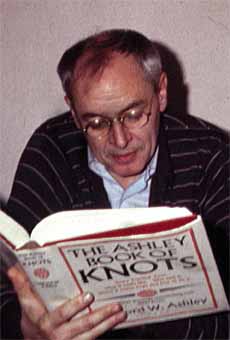
Work and central ideas
Laing argued that many experiences labeled as mental disorder could be better understood in terms of social relationships and personal meaning rather than solely as biological disease. He investigated how family interactions and communication patterns might contribute to severe disturbances of mind — an approach that challenged prevailing clinical views of his time.
Controversy and associations
His emphasis on familial and interpersonal explanations for conditions such as schizophrenia set him apart from mainstream psychiatry and led to heated debate. Although his critiques of conventional psychiatric practice led others to group him with the antipsychiatry movement, Laing himself resisted being defined by that label.
Career and influence
Trained and active in the United Kingdom, and rooted in Scotland by birth, Laing combined clinical work with writing and public engagement. As a practicing psychiatrist, he influenced both professional discussions and wider cultural conversations about how society understands and treats severe mental distress.
Questions and answers
Q: Who was Ronald David Laing?
A: Ronald David Laing was a Scottish psychiatrist.
Q: What did Laing specialize in?
A: Laing specialized in describing mental illness, especially psychosis.
Q: What was Laing's theory about the causes of schizophrenia?
A: Laing's theory on the causes of schizophrenia was that it was caused by "schizogenous" parents.
Q: Was Laing's theory on the causes of schizophrenia widely accepted by the psychiatric community during his time?
A: No, it wasn't. His theory excluded him from the psychiatric orthodoxy of his times.
Q: What movement was Laing often associated with?
A: Laing was often associated with the antipsychiatry movement, although he rejected that epithet.
Q: When was Laing born and when did he die?
A: Laing was born on October 7th, 1927 in Glasgow, Scotland, and he died on August 23rd, 1989.
Q: What is Laing best known for?
A: Laing is best known for his theories on the causes of mental perturbations, especially psychosis.
Author
AlegsaOnline.com Ronald D. Laing: Scottish psychiatrist who studied psychosis and family dynamics Leandro Alegsa
URL: https://en.alegsaonline.com/art/130005