
Robert Neyland — Tennessee coach, Army brigadier general, and defensive innovator
Profile of Robert R. Neyland: his life (1892–1962), dual military and coaching career, defensive philosophy, records at the University of Tennessee, and lasting legacy including Neyland Stadium.
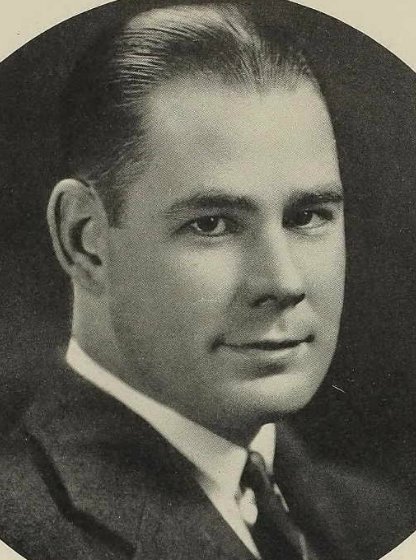
Robert Reese Neyland (February 17, 1892 – March 28, 1962) was an influential American football coach and United States Army officer whose work shaped college football defense and the University of Tennessee program. Best known for building Tennessee into a national power, Neyland combined a disciplined military approach with detailed attention to fundamentals and preparation. He served multiple stints as the head coach at the University of Tennessee while also maintaining a long career in the United States Army, ultimately reaching the rank of brigadier general.
Image gallery
5 Images


Coaching career and achievements
Neyland’s tenure at Tennessee produced a remarkable record of team success, defensive dominance, and institutional legacy. Over his time in Knoxville he compiled 173 wins in 216 games, a total that remains the program’s highest. His teams achieved multiple undefeated campaigns, including six seasons without a loss and nine regular seasons that finished unbeaten. Under his leadership Tennessee claimed four national championships and captured seven conference championships, establishing long winning streaks that included runs of 33, 28, 23, 19 and 14 consecutive victories.
Defense, coaching style, and innovations
Neyland is widely regarded as one of the foremost defensive coaches in college football history. His teams were famous for shutting opponents out: in 112 of his victories the opposing team failed to score. The 1938–1939 period produced an NCAA record of 17 consecutive shutouts, and Neyland’s 1939 squad remains the last major college team to hold every regular‑season opponent scoreless. Contemporary recognition of his defensive impact included selection as the defensive coordinator on Sports Illustrated’s Sports Illustrated all‑century college football team.
Military service and dual career
Neyland pursued his professional life in parallel with military service. A career Army officer, he served during peacetime postings and periods of conflict, and his military responsibilities periodically interrupted his coaching tenure, a pattern that makes him one of the notable coaches who led the same program in separate eras. His military experience informed a coaching philosophy that emphasized discipline, situational planning, and minimizing mistakes—traits often credited for Tennessee’s consistently stout defenses.
Records, honors, and legacy
- Program wins: 173 in 216 games (University record).
- Undefeated campaigns: six seasons without a loss and nine unbeaten regular seasons.
- Shutouts: 112 wins in which the opponent scored zero points; 17 consecutive shutouts over 1938–1939 (an NCAA mark).
- Championships: four national titles and seven conference crowns.
- Hall of Fame: inducted into the College Football Hall of Fame in 1956.
Beyond statistical accomplishments, Neyland left a visible imprint on the university’s campus and facilities. Neyland Stadium, named in his honor, was not only dedicated to his memory but also followed expansion concepts he proposed; those plans guided the growth of a venue that would become one of the largest and most iconic stadiums in college football. His influence extends through coaching trees, defensive schematics, and the institutional culture of Tennessee football.
Context and notable distinctions
Several aspects distinguish Neyland in the history of American college football. He is remembered both for the rare combination of high military rank and elite coaching status and for tactical focus on preventing points rather than just scoring them, a contrast to some eras that emphasized offense. Sports historians and fans continue to study his game plans and organizational methods as examples of consistent program building. For further reading on his career and impact, see dedicated biographies and institutional histories, and consult archival materials available through university collections and selected periodicals referenced by scholars.
For sources and additional perspectives, use resources linked below: coaching profiles, the university archives at Tennessee, military histories at Army repositories, statistical summaries and record pages at record databases, conference histories at conference sites, and retrospective articles at defensive strategy journals and magazines. Supplementary indexes and commemorations appear through coaching associations and historical compilations preserving NCAA context.
Questions and answers
Q: What was Robert Reese Neyland's rank in the United States Army?
A: Robert Reese Neyland reached the rank of brigadier general in the United States Army.
Q: How many wins did Neyland have at the University of Tennessee?
A: Robert Reese Neyland had 173 wins in 216 games at the University of Tennessee.
Q: What is one of his records at Tennessee?
A: One of Robert Reese Neyland's records at Tennessee is having six seasons without losing a game.
Q: What awards has he received?
A: Robert Reese Neyland was inducted into the College Football Hall of Fame as a coach in 1956 and Sports Illustrated named him as the defensive coordinator of its all-century college football team in its "Best of the 20th Century" edition.
Q: How many regular season opponents did his 1939 team hold scoreless?
A: His 1939 team held every regular season opponent scoreless, setting an NCAA record.
Q: Who designed Neyland Stadium at University of Tennessee?
A: The design for Neyland Stadium at University of Tennessee was created by Robert Reese Neyland himself.
Q: How many consecutive games did his teams not allow points to be scored against them?
A:Robert Reese Neylands' teams set NCAA records when they did not allow points to be scored against them for 17 straight games during 1938 and 1939.
Author
AlegsaOnline.com Robert Neyland — Tennessee coach, Army brigadier general, and defensive innovator Leandro Alegsa
URL: https://en.alegsaonline.com/art/129801