
Robert I of Scotland (Robert the Bruce)
Robert I (1274–1329), known as Robert the Bruce, led Scotland's struggle for independence, won Bannockburn (1314), and secured recognition of Scottish sovereignty during his reign (1306–1329).
Overview
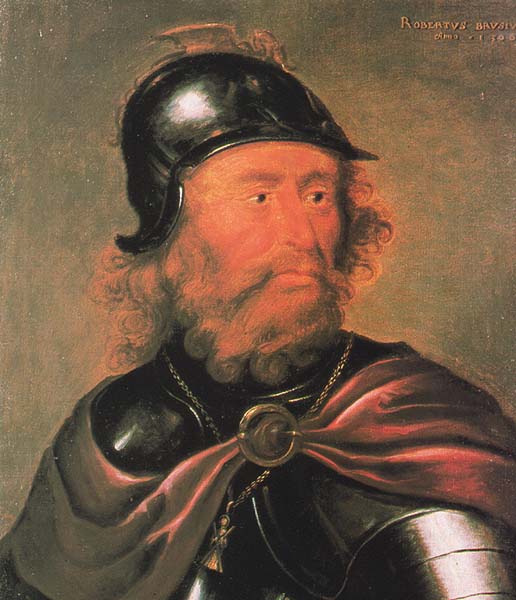
Robert I of Scotland (11 July 1274 – 7 June 1329), commonly called Robert the Bruce, was King of Scots from 1306 until his death. He led the Scottish resistance against English attempts to assert overlordship and transformed a long-running insurgency into a kingdom that achieved formal recognition of its independence.
Image gallery
10 Images


Birth and claim
Born into a noble family with both Norman and Gaelic ancestry, Robert held a claim to the Scottish throne through descent and alliances. The death of Alexander III and the ensuing succession crisis invited intervention by Edward I of England and produced a period of political instability. Robert emerged as a powerful Scottish magnate and one of several claimants to the crown.
Coronation and the Comyn affair
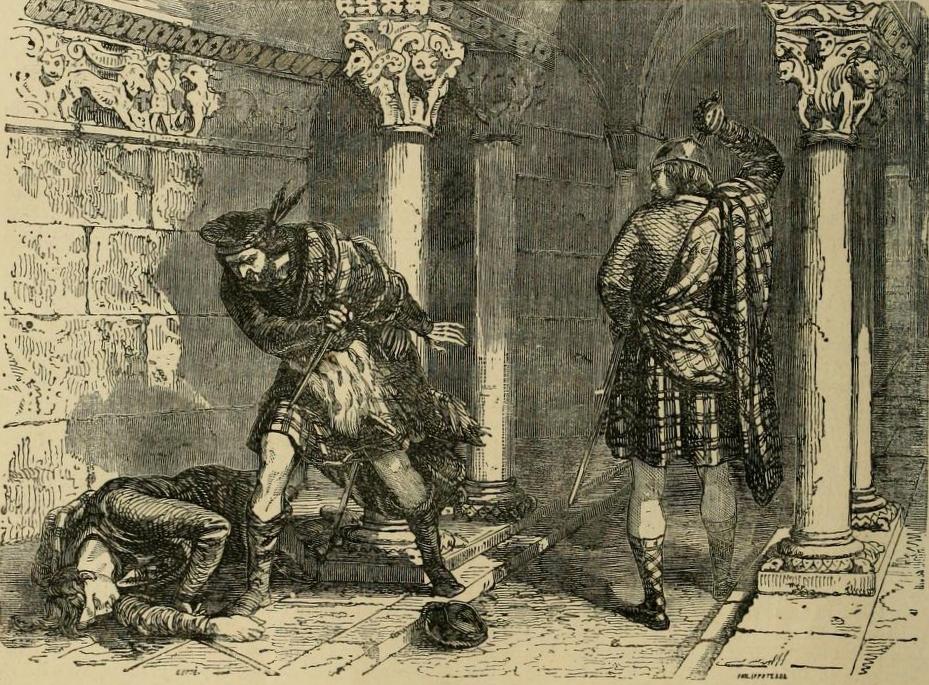
In 1306 Robert killed a rival, John Comyn, in a confrontation that occurred in a church and provoked immediate consequences: he was rapidly crowned King of Scots and faced both military retaliation and ecclesiastical censure. The episode forced Robert to consolidate support among other Scottish nobles and to conduct a sustained campaign against English and rival Scottish forces.
Military strategy and Bannockburn
Robert combined conventional pitched battle with irregular warfare, raids and sieges to undermine English control. The most famous victory came at the Battle of Bannockburn in 1314 near Stirling, where his army defeated a larger English force. That victory, often cited as a turning point, strengthened his authority and boosted Scottish morale.
Diplomacy and recognition
Alongside military success, Robert and his allies pursued diplomacy. Scottish leaders sought papal support and appealed to European powers. The 1320 Declaration of Arbroath set out a case for Scottish independence, and years of negotiation and intermittent war culminated in international recognition, most notably in the late 1320s when England acknowledged Scottish independence by treaty.
Governance and later years
As king, Robert worked to restore royal authority, recover castles and suppress internal opposition. He delegated responsibilities to trusted lieutenants and managed both martial campaigns and peacetime administration. His health declined in later years, and he died in 1329, leaving the throne to his son.
Legacy
Robert the Bruce remains a central figure in Scottish history and popular memory: a warrior-king associated with national independence, resilience and state formation. His life and actions have been commemorated in chronicles, later histories and cultural portrayals. Sites connected to his reign, including battlefields and burial places, remain points of historical interest.
Key events
- Birth and noble lineage (1274)
- Coronation as King of Scots in 1306 (King of Scotland)
- Killing of John Comyn and excommunication consequences
- Ongoing conflict with England
- Battle of Bannockburn (1314) — Bannockburn
- Declaration of Arbroath (1320) and diplomatic efforts
- Recognition of Scottish independence in the 1320s
- Death and succession (1329)
Questions and answers
Q: Who was Robert I of Scotland?
A: Robert I of Scotland was the king of Scotland from 1306 to 1329.
Q: What is Robert the Bruce famous for?
A: Robert the Bruce, or Robert I of Scotland, is famous for beating the English army at the Battle of Bannockburn near Stirling in 1314.
Q: When was Robert the Bruce born?
A: Robert the Bruce was born on 11 July 1274.
Q: When did Robert the Bruce become the King of Scotland?
A: Robert the Bruce became the King of Scotland in 1306.
Q: How long did Robert the Bruce rule Scotland?
A: Robert the Bruce ruled Scotland for 23 years, from 1306 to 1329.
Q: What was the Battle of Bannockburn?
A: The Battle of Bannockburn was a significant battle fought between the Scottish and English armies near Stirling in 1314 where Robert the Bruce led the Scottish army to a victory against the English.
Q: When did Robert the Bruce die?
A: Robert the Bruce died on 7 June 1329.
Author
AlegsaOnline.com Robert I of Scotland (Robert the Bruce) Leandro Alegsa
URL: https://en.alegsaonline.com/art/129764