
Robert Ford (American outlaw)
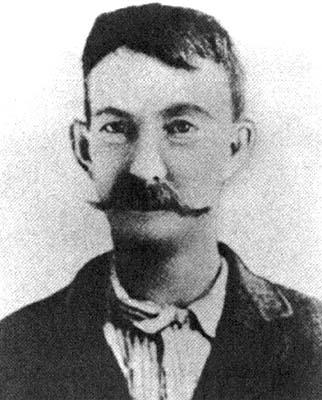
Robert Ford, known as "Bob" Ford (1862–1892), the man who killed Jesse James in 1882. His act, trial, public reaction and later life shaped his controversial legacy in American Western history.
Overview
Robert Newton "Bob" Ford (January 31, 1862 – June 8, 1892) was an American outlaw best known for killing the famed bandit Jesse James. Ford shot James in St. Joseph, Missouri, in 1882 while James was unarmed; the shooting made Ford infamous and altered his life irreversibly. Accounts of his motives emphasize a combination of government reward, pressure from law enforcement, and the complex loyalties within outlaw circles.
Image gallery
4 Images


Background and relationship with Jesse James
Born in Missouri, Ford and his older brother Charles joined or associated with Jesse James's circle late in the gang's career. The Ford brothers lived for a time in the same house as James and were at one point regarded as part of his entourage rather than principal leaders. Their closeness to James made the later killing particularly startling to the public, and many contemporaries described Robert Ford as a reluctant or calculating participant in the gang's affairs.
The killing and immediate aftermath
On April 3, 1882, Robert Ford shot Jesse James in the back of the head while James was hanging a picture on a wall in his home. Missouri's governor Thomas T. Crittenden had authorized a reward of $10,000 for James's capture, and Ford's action was taken in that context. Ford and his brother surrendered to authorities; they were tried for murder, pleaded guilty, and were later pardoned by the governor, an outcome that provoked strong reactions across Southern and Western communities.
Later life and death
After the killing, Ford received brief public attention but long-lasting scorn. He attempted to capitalize on his notoriety by touring in stage shows that reenacted the killing and by selling photographs and relics, but he remained widely viewed as a traitor or a coward in popular opinion. His brother Charles reportedly died by suicide a few years after the murder. On June 8, 1892, Robert Ford was himself shot and killed in Creede, Colorado, by Edward O'Kelley, a violent end that some saw as retribution or as the final chapter of a notorious episode.
Legacy and cultural significance
The killing of Jesse James by Robert Ford has been a persistent subject in American popular culture, inspiring books, songs, films, and plays that debate heroism, betrayal and the changing nature of law in the post–Civil War West. Interpretations vary: some portray Ford as a pawn of law enforcement and bounty hunters, others as a pragmatic man seeking pardon and money. The event remains a focal point for discussions about vigilante justice and the mythology of the American outlaw.
Further reading
- Biographical and historical discussions are available through regional histories and collections; see links for overviews: biographical summary.
- Contemporary newspaper accounts and trial records provide primary perspectives: primary sources.
- For cultural treatments and film adaptations, consult modern studies and film histories: interpretations and adaptations.
Questions and answers
Q: Who was Robert Ford?
A: Robert Ford was an American outlaw who shot and killed his gang leader, Jesse James.
Q: What is Robert Ford most known for?
A: Robert Ford is best known for shooting Jesse James in the back of the head and killing him.
Q: Why did Robert Ford shoot Jesse James?
A: Robert Ford shot Jesse James because Missouri governor Thomas T. Crittenden placed a $10,000 bounty on James.
Q: When was Robert Ford born?
A: Robert Ford was born on January 31, 1862.
Q: When did Robert Ford shoot Jesse James?
A: Robert Ford shot Jesse James on June 8, 1892.
Q: How did Robert Ford kill Jesse James?
A: Robert Ford shot Jesse James in the back of the head.
Q: What was Robert Ford's nickname?
A: Robert Newton was nicknamed "Bob" Ford.
Author
AlegsaOnline.com Robert Ford (American outlaw) Leandro Alegsa
URL: https://en.alegsaonline.com/art/129739