
Robert Falcon Scott: British naval officer and Antarctic explorer
Overview of Robert Falcon Scott (1868–1912), his naval career, two Antarctic expeditions, the race to the South Pole, his death on return, scientific work, and enduring legacy and controversies.
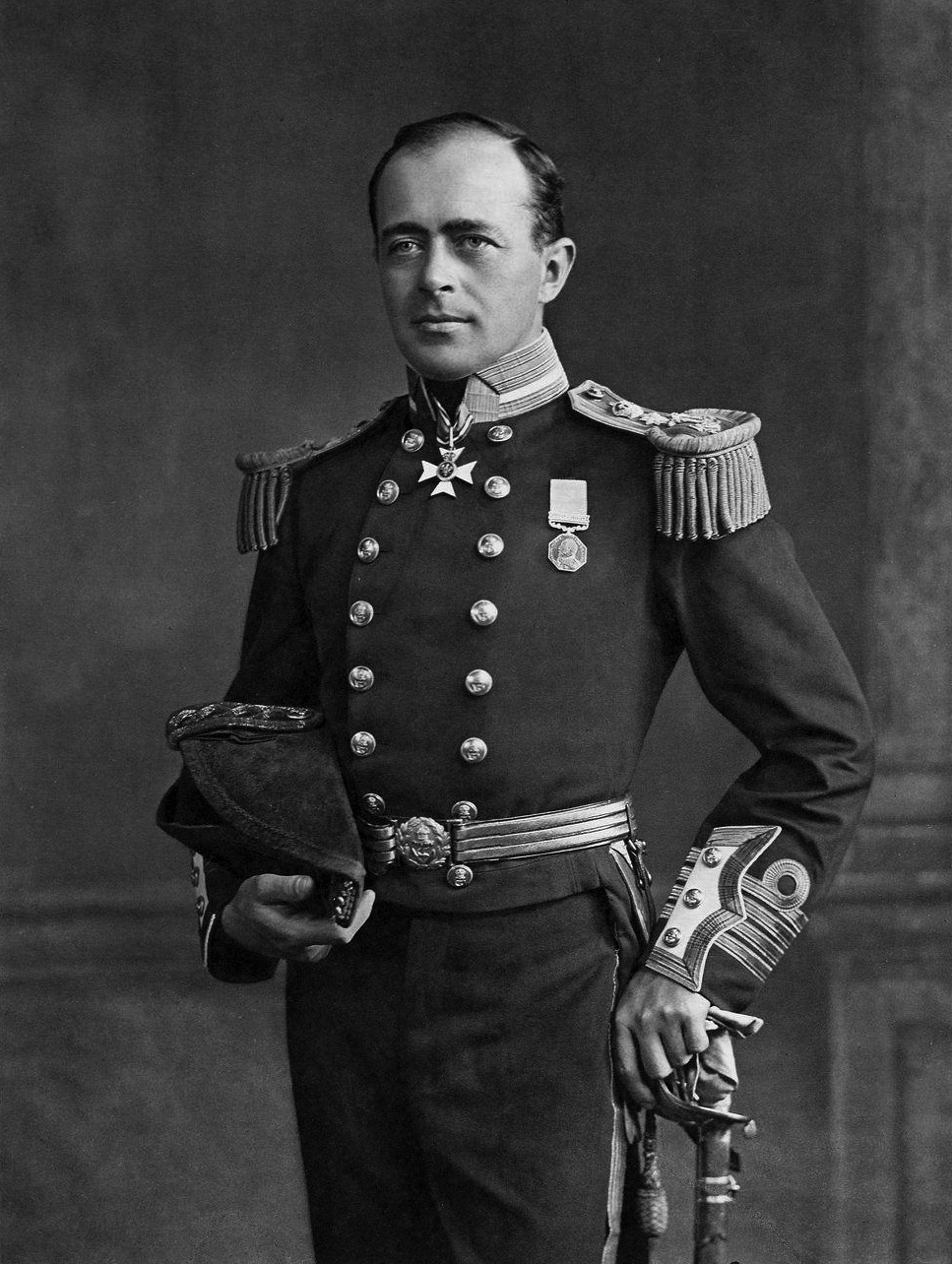
Robert Falcon Scott (1868–1912) was an English explorer and Royal Navy officer who led two major British expeditions to Antarctica. He is best known for commanding the Discovery Expedition (1901–04) and the Terra Nova Expedition (1910–13), and for his death, with four companions, on the return journey from an attempt to reach the South Pole. Scott’s life combined naval service, scientific fieldwork and the complex legacy of heroism and debated decisions.
Image gallery
10 Images





Early life and naval career
Scott came from a modestly prosperous English family and entered the Royal Navy as a cadet. His training and early appointments followed the normal path of a peacetime naval officer in late nineteenth-century Britain, where professional advancement was competitive. Service at sea provided Scott with navigation, leadership and logistical experience that later shaped his exploration planning. His naval rank and connections also helped secure support for polar ventures.
Antarctic expeditions and objectives
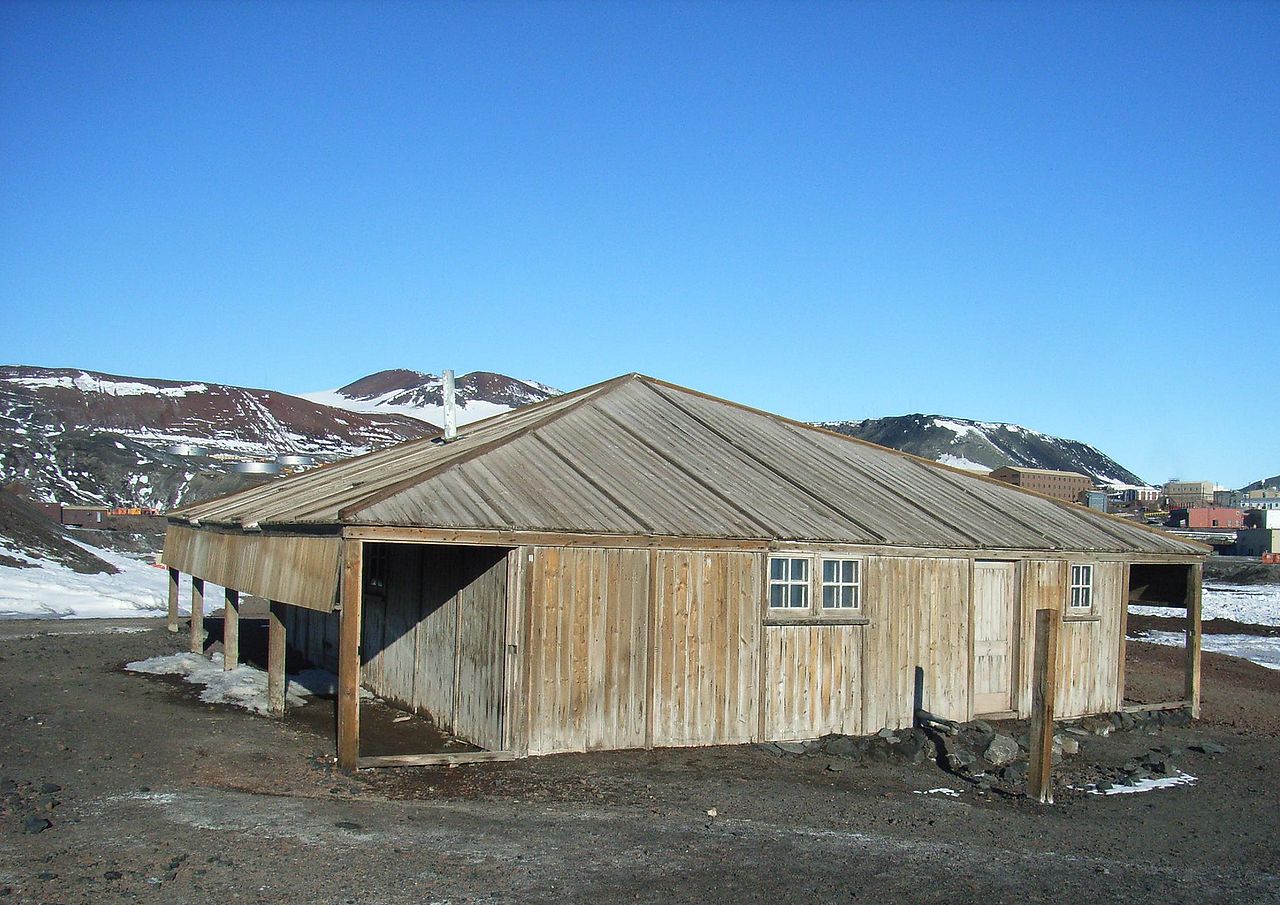
Scott led two main voyages to the Antarctic. The Discovery Expedition (1901–04) combined exploration with scientific study, mapping coastal features and conducting meteorological, geological and biological observations. The later Terra Nova Expedition (1910–13) aimed to reach the South Pole and to continue scientific work. The Terra Nova party reached the pole in January 1912 only to find a Norwegian party had preceded them. On the homeward march Scott and a small polar team perished in harsh conditions.
Death, causes and contemporary reactions
The deaths of Scott and his companions on the Ross Ice Shelf became a major public event when news reached Britain. Contemporary accounts emphasized courage and sacrifice; later analysis has examined contributing factors such as route choice, weather extremes, the mixed use of motor sledges, ponies, dogs and man-hauling, and logistical planning. Scott’s scientific collections and field notes were recovered and contributed valuable data despite the tragedy.
Legacy, memorials and debate
Scott’s reputation has evolved. He was commemorated by memorials and publications that portrayed him as a national hero. Subsequent historians and polar specialists have scrutinized decisions made during the Terra Nova Expedition, generating debate about leadership, preparedness and the influence of contemporary cultural expectations. His diaries, published accounts and the scientific results from both expeditions remain important sources for polar history and science.
Notable facts and wider significance
- Scott combined exploration goals with organized scientific research, following a tradition of exploration as a way to advance multiple fields.
- His expeditions illustrate the technological and logistic limits of early twentieth-century polar travel and the tension between national prestige and scientific aims.
- Scott’s story has inspired films, books and ongoing interest in leadership under extreme conditions; representations range from hagiography to critical reassessment.
For introductions to different aspects of his life and voyages, see primary accounts and modern studies that place Scott within the broader history of polar exploration and naval service in Victorian and Edwardian Britain. Biographical and scientific overviews remain accessible through specialist histories and curated archives, including naval records and expedition reports. Further reading and archival resources can be found via institutional catalogues and dedicated polar research collections (officer records and logs, personal papers, naval documents, scientific reports, polar maps, expedition summaries, historical context).
Questions and answers
Q: Who was Captain Robert Falcon Scott?
A: Captain Robert Falcon Scott was an English Royal Navy officer and explorer.
Q: What was Captain Robert Falcon Scott known as?
A: Captain Robert Falcon Scott was widely known as Scott of the Antarctic, the title of a 1948 movie.
Q: How many expeditions did Captain Robert Falcon Scott lead to the Antarctic regions?
A: Captain Robert Falcon Scott led two expeditions to the Antarctic regions: the Discovery Expedition, 1901–04, and the ill-fated Terra Nova Expedition, 1910–13.
Q: What kind of career did Captain Robert Falcon Scott have before leading the Discovery Expedition?
A: Before his appointment to lead the Discovery Expedition, Captain Robert Falcon Scott had followed the conventional career of a naval officer in peacetime Victorian Britain.
Q: Why did Captain Robert Falcon Scott apply for command of the Discovery?
A: It was the chance for personal distinction that led Captain Robert Falcon Scott to apply for command of the Discovery.
Q: How was Captain Robert Falcon Scott associated with the Antarctic?
A: Captain Robert Falcon Scott's name became associated with the Antarctic, his field of work for the final twelve years of his life.
Q: How did Captain Robert Falcon Scott die?
A: Captain Robert Falcon Scott died on an expedition to the South Pole.
Author
AlegsaOnline.com Robert Falcon Scott: British naval officer and Antarctic explorer Leandro Alegsa
URL: https://en.alegsaonline.com/art/129734