
Robert Edwards — Pioneer of in vitro fertilisation
British reproductive biologist who helped develop in vitro fertilisation (IVF); Nobel laureate (2010). His work led to the birth of the first IVF baby and widespread assisted reproduction techniques.
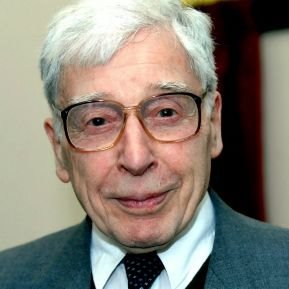
Robert Geoffrey Edwards (1925–2013) was a British reproductive biologist whose research established the scientific foundation for in vitro fertilisation (IVF). Working with clinical partners, Edwards developed laboratory methods to fertilise human eggs outside the body and study early embryos. These advances culminated in the birth of the first widely recognised IVF baby, Louise Brown, in 1978 and later earned Edwards the Nobel Prize in Physiology or Medicine in 2010.
Image gallery
4 Images


Contributions and methods
Edwards’s laboratory work focused on human gametes and embryos: obtaining mature eggs, creating conditions for sperm to fertilise eggs in culture, and supporting the earliest stages of embryo development prior to transfer into the uterus. While a scientist rather than a surgeon, his research provided the protocols and understanding that made clinical IVF possible. His publications and collaborations described techniques for timing ovulation, egg retrieval, in vitro fertilisation and short-term embryo culture.
History and collaboration
Edwards began research on human fertilisation in the 1950s and through the 1960s achieved experimental fertilisation and early embryo culture. From 1968 he worked closely with obstetrician and gynaecological surgeon Patrick Steptoe, whose laparoscopic methods enabled egg retrieval. Clinical application of their methods produced the first successful birth in 1978. The term "IVF" or in vitro fertilisation describes this approach of fertilising eggs outside the body and transferring embryos to achieve pregnancy.
Impact and legacy
The Edwards–Steptoe work transformed reproductive medicine, creating options for couples with infertility and spawning clinics, research programmes and regulatory debates worldwide. By 2010 millions of children had been born through assisted reproductive technologies, and Edwards’s scientific leadership is credited with changing how human reproduction can be managed medically and ethically. He also helped found one of the first dedicated IVF clinics to provide treatment and training.
Notable facts
- Born 1925, died 2013; awarded the Nobel Prize in 2010.
- First successful IVF birth: Louise Brown, July 1978.
- Key collaborators included Patrick Steptoe and other clinical and laboratory staff.
- Work prompted new laws, ethical review processes and ongoing research into embryo biology.
Questions and answers
Q: Who was Sir Robert Geoffrey Edwards?
A: Sir Robert Geoffrey Edwards was a British scientist.
Q: What did Sir Robert Geoffrey Edwards win the Nobel Prize in Physiology or Medicine for?
A: Sir Robert Geoffrey Edwards won the Nobel Prize in Physiology or Medicine for his work in developing in vitro fertilisation (IVF).
Q: What is in vitro fertilisation (IVF)?
A: In vitro fertilisation (IVF) is a method of assisted reproduction where an egg is fertilised by sperm outside the body, in a laboratory dish, and then transferred to the woman's uterus.
Q: When did Sir Robert Geoffrey Edwards begin work on his ideas for IVF?
A: Sir Robert Geoffrey Edwards began work on his ideas for IVF in the 1950s.
Q: Who was Sir Robert Geoffrey Edwards's research partner?
A: Sir Robert Geoffrey Edwards's research partner from 1968 was Patrick Steptoe.
Q: When was the first test tube baby born?
A: The first test tube baby, Louise Brown, was born on 25 July 1978.
Q: How many babies had been born using the IVF method by 2010?
A: By 2010, more than 4 million babies had been born using the IVF method.
Author
AlegsaOnline.com Robert Edwards — Pioneer of in vitro fertilisation Leandro Alegsa
URL: https://en.alegsaonline.com/art/129728