
Richard Owen: British comparative anatomist, palaeontologist and museum founder
Biography of Sir Richard Owen (1804–1892), the English anatomist who coined 'Dinosauria', shaped natural history collections and engaged in major scientific controversies.
Overview
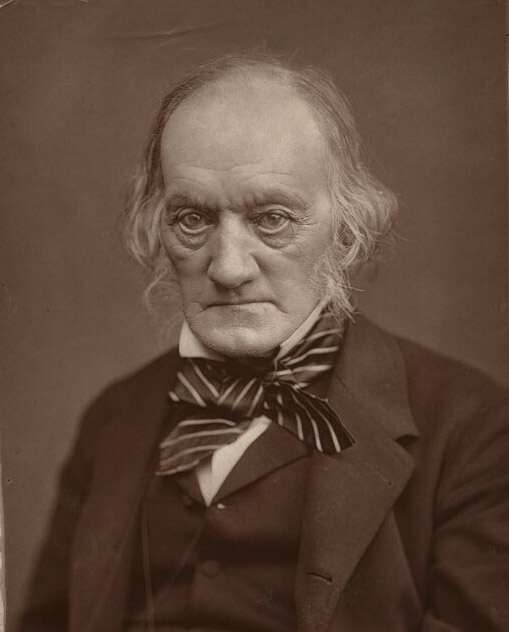
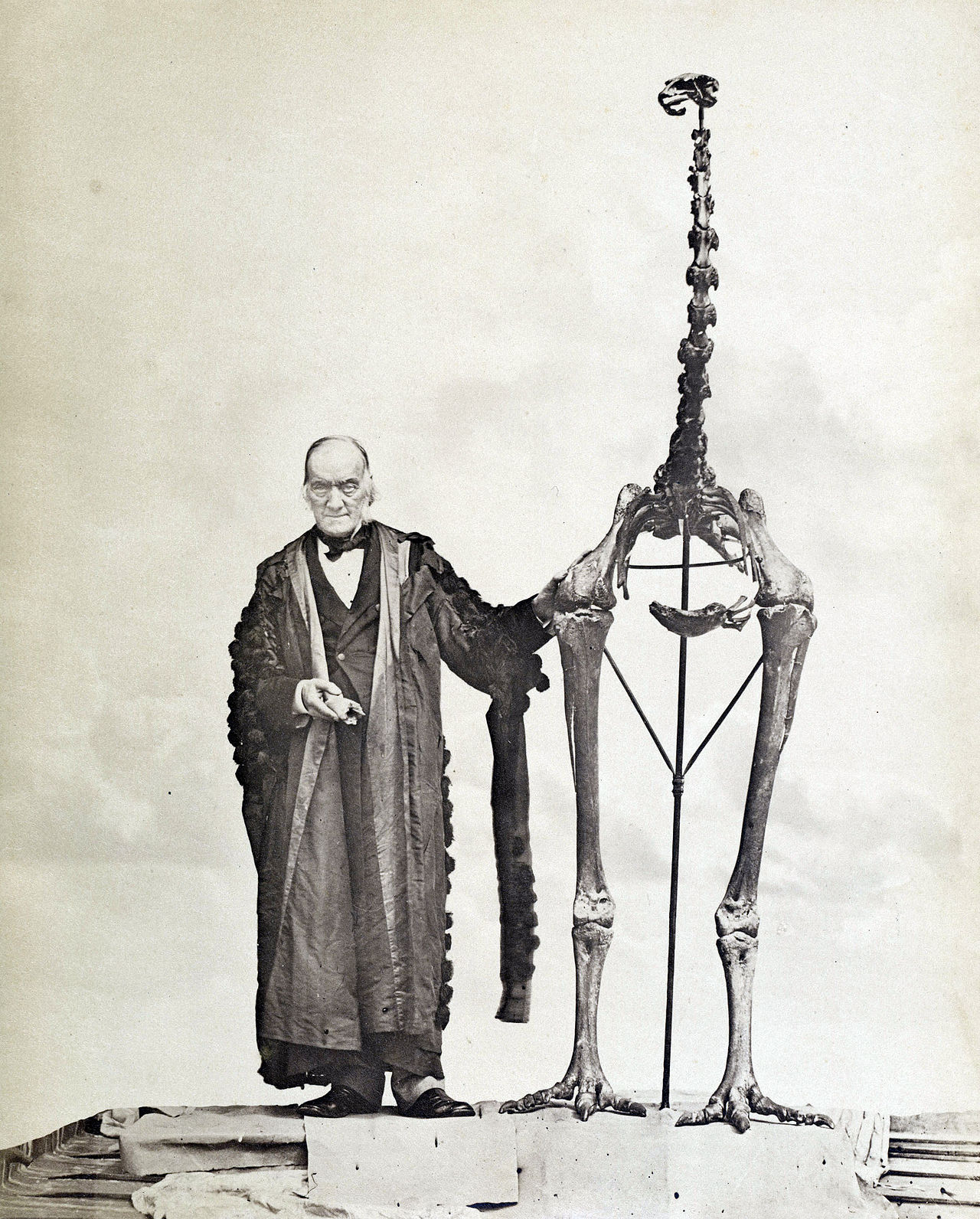
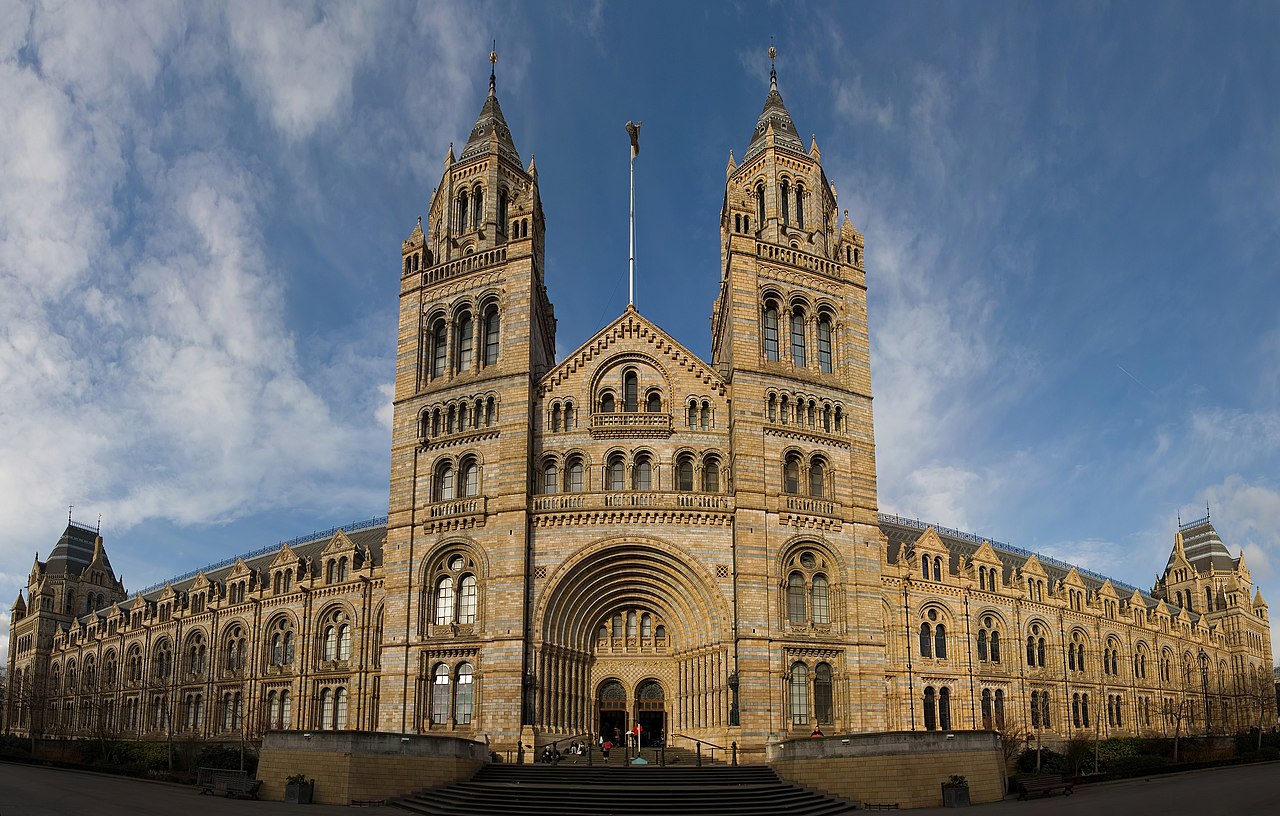
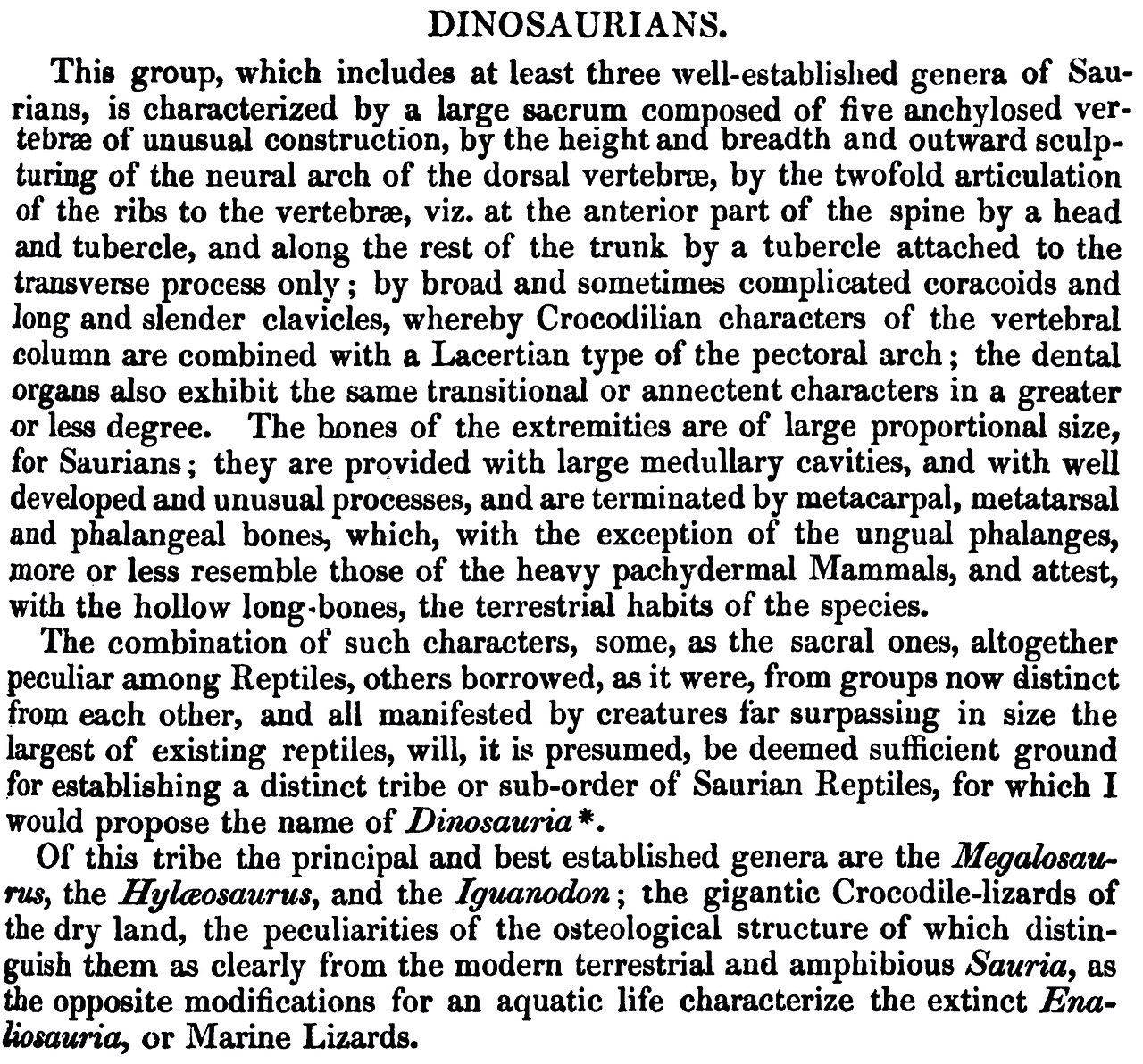
Sir Richard Owen (born in Lancaster, 20 July 1804 – 18 December 1892) was an influential English biologist, comparative anatomist and palaeontologist. He is widely remembered for introducing the taxonomic name Dinosauria and for a central role in establishing the national natural history collections that later became the British Museum (Natural History) in London. Owen combined anatomical description with museum curation and public display, producing influential reference works and popular exhibitions.
Image gallery
10 Images




Main contributions and works
Owen produced comprehensive studies of vertebrates and comparative anatomy. His multi-volume Comparative Anatomy and Physiology of Vertebrates became a standard nineteenth-century reference for zoologists and anatomists. He is credited with formalizing the dinosaur group as a distinct set of large, fossil reptiles and with detailed descriptions of many fossil vertebrates that helped to shape paleontology as a scientific discipline.
Activities, institutions and influence
Across a long career Owen held prominent museum positions and advised on the arrangement and interpretation of collections. He advocated for public access to scientific specimens and helped create professional standards for collections, cataloguing and exhibition that influenced museum practice in Britain and abroad. His work bridged research, teaching and popular science outreach, contributing to the rise of natural history as a public subject.
Notable features and examples
- Taxonomy and naming: his introduction of the group name Dinosauria provided a new framework for classifying large fossil reptiles.
- Anatomical synthesis: his comparative texts brought together fossil and living anatomy to support evolutionary and functional interpretation, though he rejected some emerging evolutionary theories.
- Museum development: he was a driving force behind creating a national home for natural history collections in the late nineteenth century.
Controversies and disputes
Owen was a prominent public figure in debates about biological origins and classification. He was an outspoken critic of Charles Darwin's theory of evolution by natural selection, arguing for alternative explanations and emphasizing structural and functional analysis. His career was also affected by repeated allegations that he failed to credit colleagues adequately and by disputes over priority and interpretation of specimens — matters that coloured his reputation among contemporaries and later historians.
Legacy
Owen's legacy is mixed: he made lasting contributions to vertebrate anatomy, paleontology and museum organization, yet his personal conduct and opposition to some scientific ideas attracted sharp criticism. Honors and appointments reflected his central place in Victorian science, and the institutions and terminologies he helped establish remain part of modern biological and museum practice. For more detailed archival resources and modern assessments see specialist histories and collections online: biographical notes, museum records, and scholarly reviews of nineteenth-century natural history practice.
Further reading and primary sources can be consulted through major libraries and dedicated repositories that document his publications, correspondence and the debates that defined his public career. For curated summaries and timelines, see institutional pages and scholarly overviews: taxonomy history, Darwin-era debates, anatomical legacy, paleontological collections, museum histories, biographical entries, and archival catalogues: honors, personal records, early life, vertebrate studies.
Questions and answers
Q: Who was Sir Richard Owen?
A: Sir Richard Owen was an English biologist, comparative anatomist and paleontologist.
Q: What is Owen's most famous contribution to science?
A: Owen is probably best remembered for coining the word Dinosauria (meaning 'Terrible Reptile').
Q: What was Owen's stance on Charles Darwin's theory of evolution?
A: Owen was outspokenly opposed to Charles Darwin's theory of evolution by natural selection.
Q: What was Owen's role in the establishment of the British Museum (Natural History) in London?
A: Owen was the driving force behind the establishment of the British Museum (Natural History) in London in 1881.
Q: What was the importance of Owen's Comparative Anatomy and Physiology of Vertebrates?
A: Owen's Comparative Anatomy and Physiology of Vertebrates was a standard reference work for many years and his technical descriptions of vertebrates were important.
Q: What were the accusations made against Owen during his career?
A: The accusations made against Owen during his career were that he failed to give credit to the work of others and even tried to appropriate it under his own name.
Q: When was Sir Richard Owen born and when did he die?
A: Sir Richard Owen was born on July 20th, 1804 and he died on December 18th, 1892.
Author
AlegsaOnline.com Richard Owen: British comparative anatomist, palaeontologist and museum founder Leandro Alegsa
URL: https://en.alegsaonline.com/art/129534