
Richard Mentor Johnson
American politician and soldier; the ninth Vice President (1837–1841) under Martin Van Buren, noted for War of 1812 service, a controversial domestic life in Kentucky, and being chosen by the Senate.
Overview
Richard Mentor Johnson (born October 17, 1780 – died November 19, 1850) was an American politician and soldier from Kentucky. He served as the ninth vice president of the United States during the administration of Martin Van Buren. Johnson had a long public career that included service in the U.S. House of Representatives, the U.S. Senate and state government; he was also known for his role in the War of 1812 and for a personal life that provoked controversy in his era.
Image gallery
10 Images
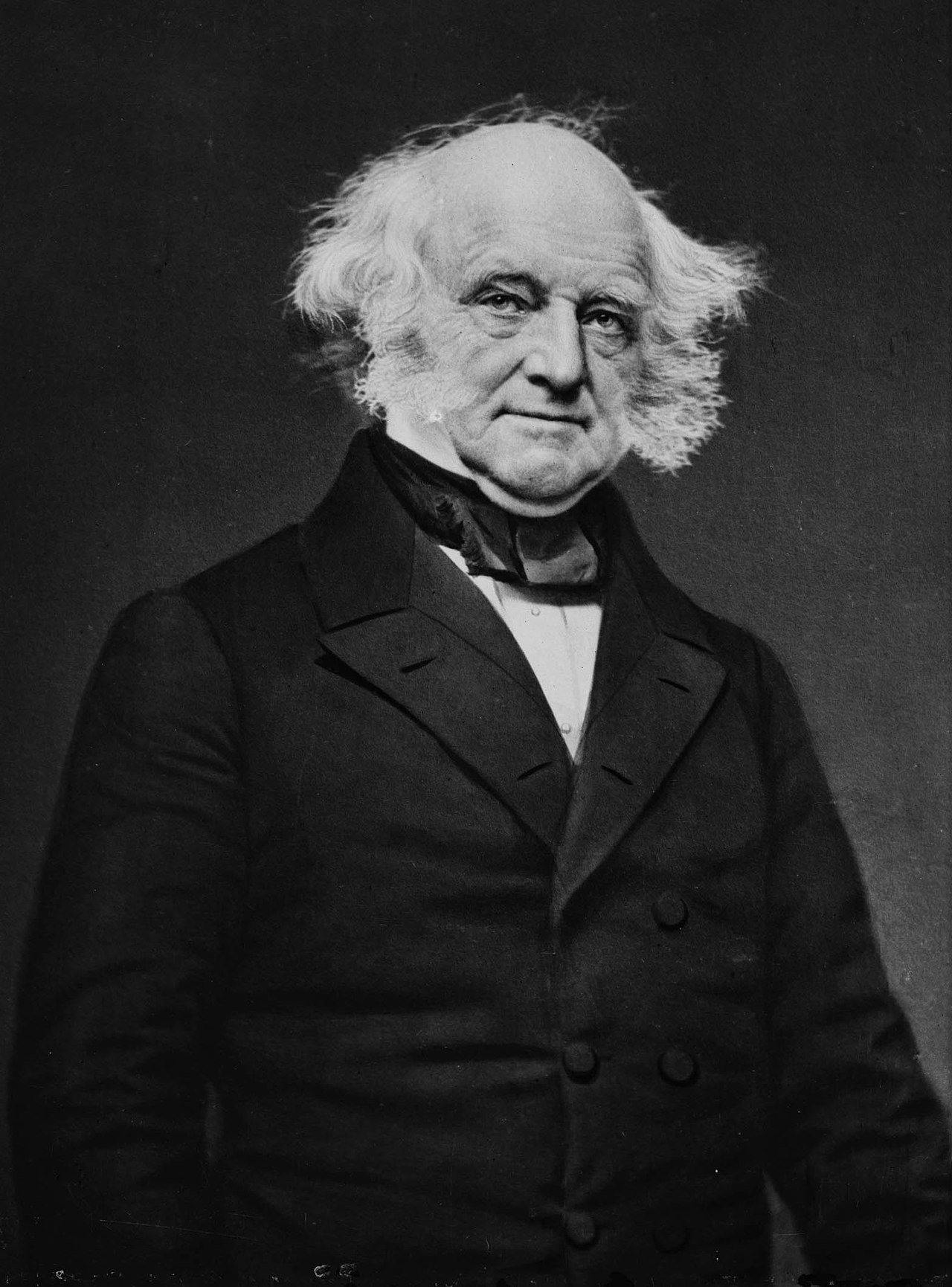


Early life and political career
Johnson trained as a lawyer and began his public life in Kentucky, where he won local support by offering legal aid to many who could not pay. He was first returned to the national legislature after election to the U.S. House of Representatives, representing frontier interests and building a reputation as an outspoken advocate for veterans and western concerns. Later he also served as a senator from Kentucky and held seats in the Kentucky legislature, alternating between state and national roles as political fortunes changed.
Military service and public image
During the War of 1812, Johnson raised and led mounted troops on the western frontier. He became popularly identified with frontier military action; his supporters promoted him as a war hero. One contested element of his military fame was an asserted role in the death of Shawnee leader Tecumseh at the Battle of the Thames—an event that became a prominent feature of Johnson's public image and political campaigns, though contemporaries and later historians debated aspects of the claim.
Vice presidency and the 1836 election
In the presidential election that brought Martin Van Buren to the presidency, Johnson did not receive a majority of the electoral vote for vice president. Under the procedures of the Twelfth Amendment, the Senate chose the vice president from the leading candidates when no one secured a majority. The Senate's selection of Johnson is notable in American history and remains a distinctive episode in the operation of the electoral system. As vice president he presided over the Senate and served as a political partner to Van Buren, though his national standing was affected by private controversies and factional opposition within his party.
Personal life and controversies
Johnson's personal life attracted wide attention and political criticism. He openly maintained a long-term domestic relationship with Julia Chinn, an enslaved woman in his household, and acknowledged their two daughters. He treated Chinn publicly as his companion, which was highly controversial in the racial and social norms of the period and damaged his standing among some voters and political leaders. That relationship, along with other political differences, contributed to his failure to secure a place on the Democratic ticket in 1840.
Later years, death and legacy
After leaving the vice presidency Johnson continued to be active in Kentucky politics, serving again in the state legislature and making additional campaigns for national office. He returned to the U.S. House of Representatives late in life but died shortly after taking his seat in 1850. Historians regard Johnson as a figure of mixed legacy: a prominent frontier politician and veteran whose wartime reputation and public service were overshadowed by personal controversy and changing political alliances. His story illustrates tensions in early 19th-century American politics over honor, race, and the limits of popular masculinity.
Key facts
- Held multiple offices: state legislator, U.S. Representative, U.S. Senator, and Vice President.
- Served as Vice President under Martin Van Buren.
- Rose to prominence through service in the War of 1812.
- Maintained a long-term domestic relationship with Julia Chinn; that relationship affected his political fortunes.
- Noted episode: elected vice president by selection in the Senate when no candidate won a majority in the electoral vote.
For further reading on Johnson's life and the political context of his era, consult biographies and studies of early 19th-century American politics and frontier military history. Primary documents and congressional records provide contemporaneous accounts of his legislative and military service.
Questions and answers
Q: Who was Richard Mentor Johnson?
A: Richard Mentor Johnson was the ninth vice president of the United States, serving with President Martin Van Buren.
Q: What political positions did Johnson hold before becoming vice president?
A: Johnson served as a U.S. representative and senator from Kentucky, and in the Kentucky House of Representatives.
Q: What did Johnson do before starting his political career?
A: Johnson started his career as a lawyer representing many people for free.
Q: What role did Johnson play in the War of 1812?
A: During the War of 1812, Johnson led troops against the British.
Q: How did Johnson become vice president?
A: Johnson was elected by the Senate and not through the normal election because he did not have enough electors to win.
Q: Why was Johnson not chosen to run with Van Buren in 1840?
A: Johnson lived with a slave named Julia Chinn, had two children with her, and treated her like his wife, which was controversial at the time and may have hurt his chances.
Q: When did Johnson die?
A: Johnson was elected to the United States House of Representatives again in 1850 but died two weeks into his term on November 19, 1850.
Author
AlegsaOnline.com Richard Mentor Johnson Leandro Alegsa
URL: https://en.alegsaonline.com/art/129529