
Richard III of England (1452–1485): life, reign and legacy
Last Plantagenet king of England (1483–1485). His accession, the disappearance of the princes in the Tower, defeat at Bosworth and 2012 rediscovery produced a contested historical legacy.
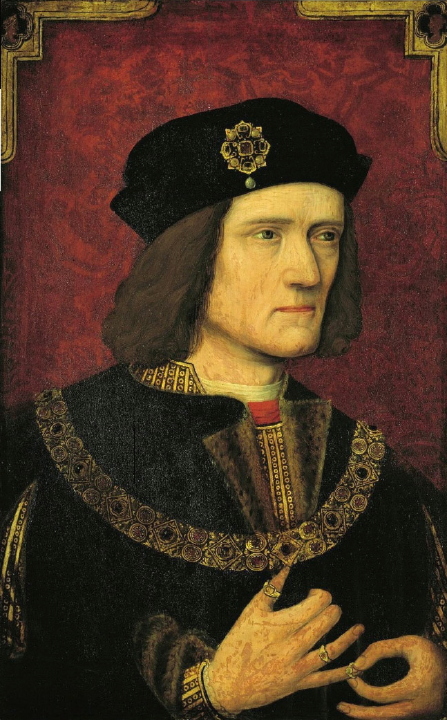
Richard III (1452–1485) was King of England from 1483 until his death in 1485. He was the last monarch to rule from the House of Plantagenet and a leading figure in the dynastic struggle commonly called the Wars of the Roses. He came to power in a period of intense factional rivalry and remains one of England’s most debated medieval kings: admired by some for administrative reforms and criticised by others for ruthless politics.
Image gallery
10 Images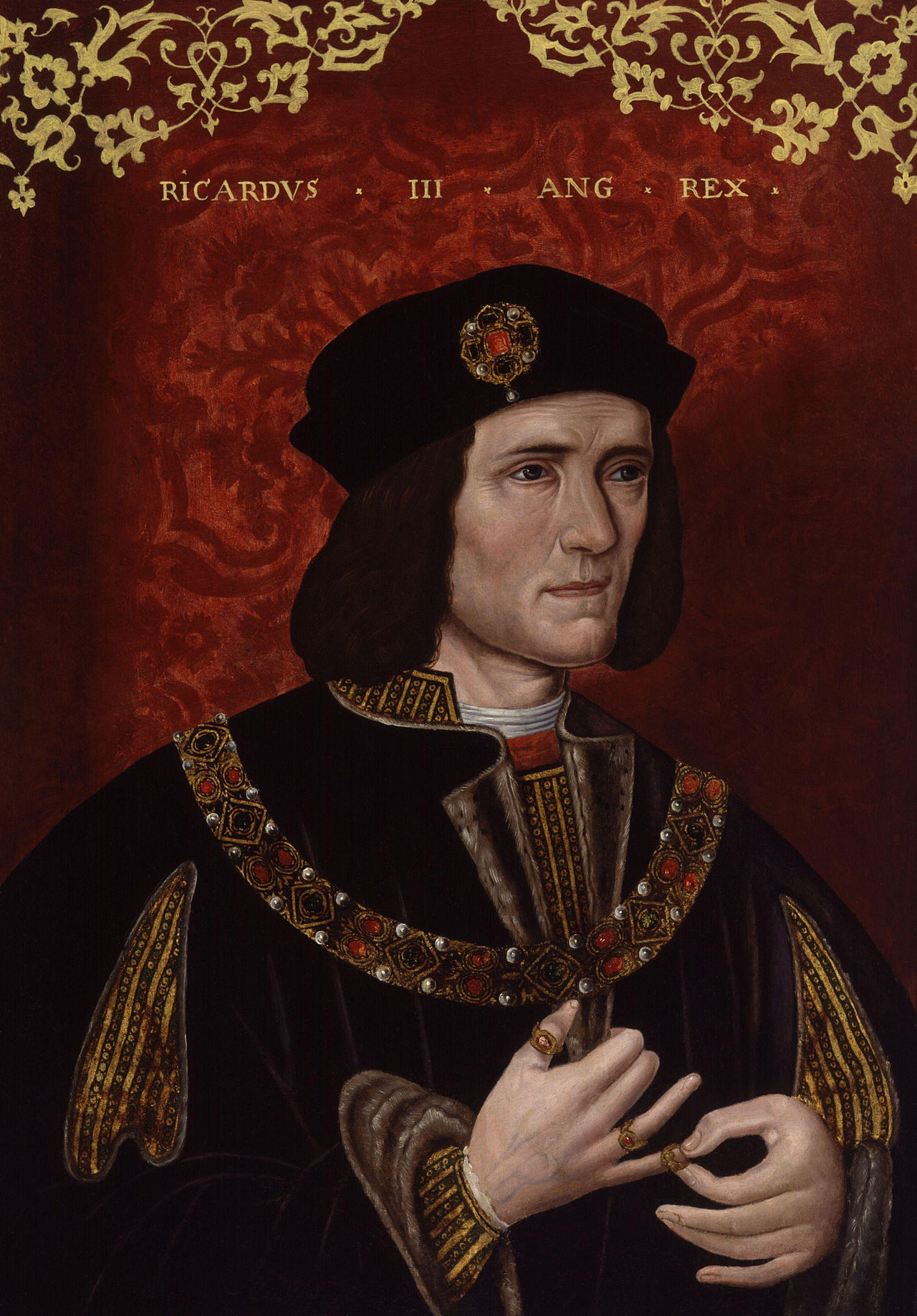



Origins and early life
Born in 1452 into the House of York, Richard was the younger brother of King Edward IV. He was created Duke of Gloucester and served as a military commander and regional governor, particularly in the north of England. His marriage to Anne Neville connected him to powerful noble families; the marriage brought both alliances and rival claims that shaped his later career.
Accession and the Titulus Regius
When Edward IV died in 1483, his son Edward V was still a youth. Richard was named Lord Protector, but within weeks he secured the throne for himself. Parliament passed the Titulus Regius, which declared Edward IV’s children illegitimate and established Richard as king. The legal claim did not end controversy and left a legacy of dispute over the legitimacy of his accession.
The Princes in the Tower
The most enduring mystery of Richard’s reign is the fate of Edward V and his younger brother, who were lodged in the Tower of London and then disappeared from contemporary records. Contemporary rumour and later accounts accused Richard of ordering their murder, but historians remain divided. Other potential culprits have been suggested, including rival nobles and later Tudor claimants. There is no universally accepted proof and the question remains a central element of Richard’s contested reputation.
Government, law and administration
Richard’s short government included efforts to strengthen royal administration, to improve the management of the north, and to protect property rights against exploitation by powerful magnates. He sought better record-keeping and accountability within local government and the courts. Many later commentators acknowledged these measures even as they criticised his methods of obtaining and maintaining power.
Rebellion and defeat
Richard faced internal revolts, including a rising associated with the Duke of Buckingham, and ultimately a challenge from Henry Tudor. The opposing armies met at the decisive Battle of Bosworth Field in August 1485. Richard was killed in the fighting; the victory brought Henry Tudor to the throne as Henry VII and began the Tudor dynasty.
Death, rediscovery and reburial
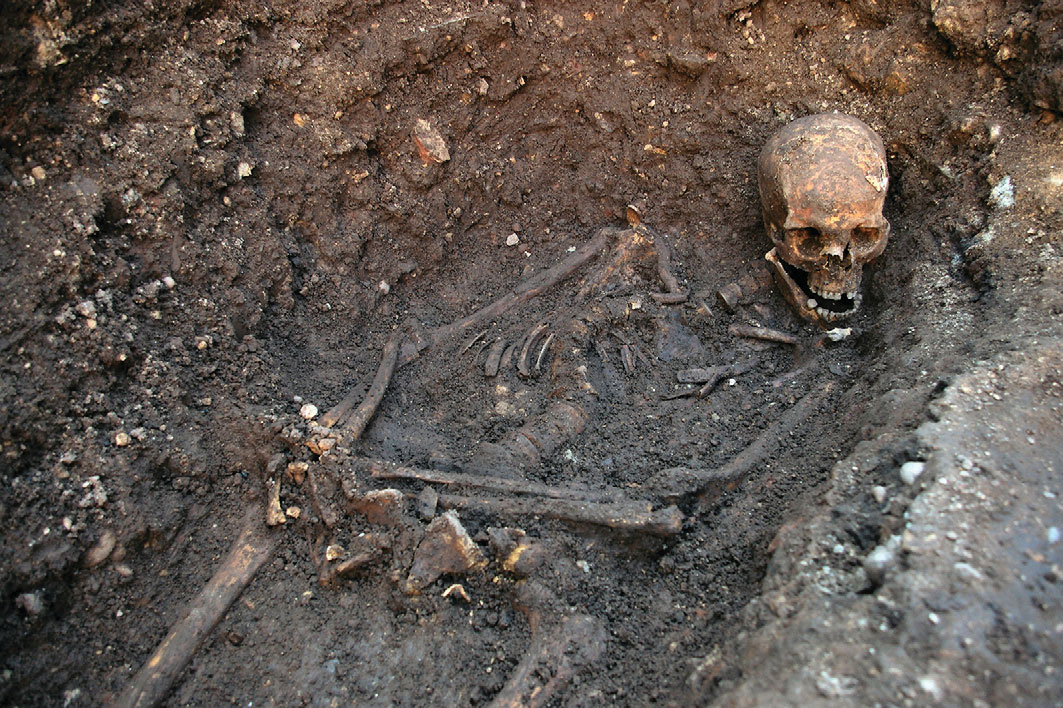
Richard’s remains were hastily interred in a church in Leicester. In 2012 archaeological excavation beneath a former car park recovered a skeleton identified by osteological evidence and genetic and genealogical analysis as Richard’s; investigators also noted injuries consistent with battle and a spinal curvature. The remains were reburied with ceremony in Leicester Cathedral in 2015.
Cultural reputation and legacy
Richard’s image in later centuries was profoundly shaped by Tudor writers and by William Shakespeare’s play Richard III, which portrays him as a Machiavellian villain. That dramatic depiction cemented a negative popular image, but modern scholarship has re-evaluated his administration and motives. A network of supporters known as Ricardians emphasises his legal reforms and questions the evidence for murder. Discussion of Richard III continues to raise wider issues about medieval kingship, propaganda, historical evidence and how later regimes shape memory.
Quick facts
- Dynasty: House of Plantagenet.
- Major conflict: Wars of the Roses.
- Brother and predecessor: Edward IV.
- Young heir: Edward V.
- Historic site linked to the princes: Tower of London.
- Rival who defeated him: Henry Tudor.
- Battle where he fell: Bosworth Field.
- Place of burial and modern discovery: Leicester.
- Famous dramatic depiction: Shakespeare’s Richard III.
Questions and answers
Q: Who was Richard III?
A: Richard III was the King of England from 1483 until 1485. He was the last king from the House of Plantagenet and part of the House of York during the Wars of the Roses.
Q: What happened when Edward IV died?
A: When Edward IV died, his 12-year-old son became King Edward V and Richard was given the role of "Protector", meaning he would run the country until Edward V became an adult. But Richard III took the throne for himself.
Q: What happened to Edward V and his brother?
A: Soon after, Edward V and his younger brother disappeared while living in the Tower of London. Many people started saying that Richard had ordered them to be killed, but historians are not sure about this.
Q: How did people react to Richard's actions?
A: Many of the House of York's supporters believed he had done it, and turned against him. He managed to put down a rebellion by his old friend Duke Buckingham, but faced another rebellion by Henry Tudor which led to Battle Bosworth Field where he was killed and his army lost.
Q: Where is Richard III buried?
A: His body was buried quickly in a church in Leicester but then rediscovered beneath a car park in 2012 before being reburied in Leicester Cathedral in 2015.
Q: How has Richard been portrayed over time?
A: For many years, Richard III has been seen as a villain due to encouragement from Tudor kings and queens as well as Shakespeare's famous play 'Richard III'. Almost all writers at that time saw him either as a hero or villain with some arguing that despite being ruthless he made many good laws whilst others argued that such behaviour was common for powerful people at that time.
Author
AlegsaOnline.com Richard III of England (1452–1485): life, reign and legacy Leandro Alegsa
URL: https://en.alegsaonline.com/art/129507