
Richard Burton
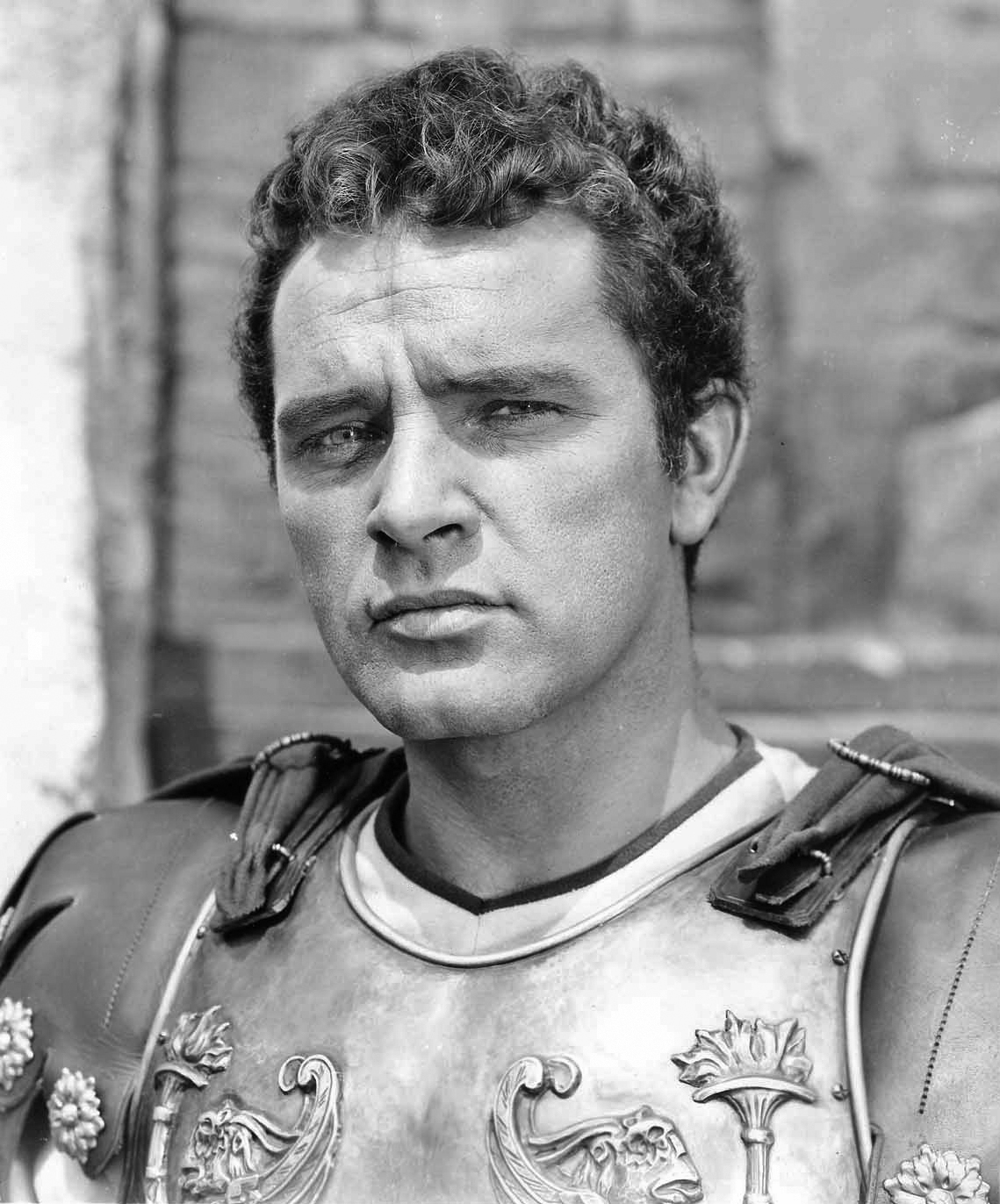
Welsh stage and film actor Richard Burton (1925–1984) was renowned for his Shakespearean work, resonant baritone, more than 40 films, seven Oscar nominations, major acting awards and a famously public marriage to Elizabeth Taylor.
Overview
Richard Walter Burton CBE (10 November 1925 – 5 August 1984) was a Welsh stage and screen actor celebrated for the power of his voice, his classical training and his ability to move between Shakespearean theatre and mainstream cinema. Over a career spanning several decades he appeared in more than forty films, earned seven Academy Award nominations and received major honours including BAFTA, Golden Globe and Tony awards. In the 1960s he became one of the world’s highest-paid actors and a major box-office figure.
Image gallery
10 Images


Early life and stage career
Born in Wales, Burton began his work in repertory theatre and built a reputation for vivid, forceful readings of verse and dialogue. His stage experience shaped a style noted for clarity of diction, dramatic intensity and an imposing baritone delivery. He performed on Britain’s stages and on Broadway, taking on a range of classical and modern roles that established him as a leading interpreter of Shakespeare and other canonical playwrights.
Film career and notable roles
While continuing to return to the theatre, Burton’s film work brought his stage-trained intensity to a mass audience. He was often cast in roles that required moral ambiguity, emotional power or historical gravitas. Among his best-known screen appearances are:
- Cleopatra (1963) — a high-profile epic in which he co-starred with Elizabeth Taylor, drawing wide public attention.
- Becket (1964) — a historical drama that earned critical praise for its performances and script.
- The Spy Who Came in from the Cold (1965) — a tense Cold War adaptation noted for its bleak tone and moral complexity.
- Who’s Afraid of Virginia Woolf? (1966) — a ferocious domestic drama that remains one of his most discussed film roles.
These films illustrate the range of Burton’s screen presence, from large-scale spectacles to intimate, character-driven dramas.
Awards, recognition and commercial standing
Burton’s seven Academy Award nominations reflect a sustained recognition by his peers across many years. He also won awards from major bodies including BAFTA, the Golden Globes and the American theatre’s Tony Awards for distinguished stage work. In the mid- to late 1960s his commercial value rose sharply and he was widely reported to command fees of around one million dollars or more for major projects, sometimes with a share of gross receipts.
Personal life and public image
Burton’s private life attracted as much attention as his professional achievements. He was twice married to actress Elizabeth Taylor and their relationship was extensively covered in the international press, helping to make both figures symbols of celebrity culture in their era. Over time Burton’s struggles with health and alcohol were also the subject of public discussion; these issues affected his later career and personal reputation.
Legacy
Richard Burton is remembered for bridging classical theatre and modern film acting, for a voice that has been widely admired by actors and audiences, and for a catalogue of performances that continue to be studied. His work influenced subsequent generations of performers who sought to bring theatrical techniques into screen performance. Archival recordings, film restorations and stage histories continue to revisit his contributions to 20th-century drama.
Further reading and resources
For a concise biography and overview of Burton's life see a general biography. His awards and nominations are summarized in awards lists. For information on his stage career and theatre materials consult dedicated stage resources here. Contemporary coverage of his public relationships and media profile can be found here.
Selected distinctions and facts
- Nationality: Welsh; honoured with the title CBE (Commander of the Order of the British Empire).
- Film appearances: more than 40 credited roles across a wide variety of genres.
- Academy Award nominations: seven.
- Noted for: Shakespearean stage roles, a distinctive baritone voice and a career that crossed stage and screen.
Questions and answers
Q: Who was Richard Walter Burton CBE?
A: Richard Walter Burton CBE was a Welsh stage and cinema actor who appeared in more than 40 movies and received 7 Academy Award nominations.
Q: How many Academy Award nominations did Richard Burton receive?
A: Richard Burton received 7 Academy Award nominations.
Q: What other awards did Richard Burton receive?
A: Richard Burton was a recipient of BAFTA, Golden Globe and Tony Awards for Best Actor.
Q: In what decade did Richard Burton become one of the highest-paid actors in the world?
A: In the late 1960s, Richard Burton became the highest-paid actor in the world.
Q: What were Richard Burton's fees for movies?
A: Richard Burton received fees of $1 million or more plus a share of the gross receipts for movies.
Q: Who was Richard Burton's second wife and how is their relationship viewed in the public consciousness?
A: Richard Burton's second wife was actress Elizabeth Taylor and their relationship was rarely out of the news. They are closely associated in the public consciousness.
Q: How did Richard Burton become successful in Hollywood?
A: Richard Burton went up into the ranks of the top box office stars in the mid-1960s which led to his success in Hollywood.
Author
AlegsaOnline.com Richard Burton Leandro Alegsa
URL: https://en.alegsaonline.com/art/129471