
Reubin Askew
Reubin O'Donovan Askew (1928–2014) was an American Democratic politician and attorney who served as governor of Florida in the 1970s and is remembered for government reform and civil-rights stances.
Overview
Reubin O'Donovan Askew (September 11, 1928 – March 13, 2014) was an American Democratic politician and lawyer best known for serving as governor of Florida in the 1970s. Born in Muskogee, Oklahoma, he moved to Florida with his family in childhood and later built a career in law, military service, and public office. He is often cited for promoting open government, fiscal modernization, and moderate progressive reforms in a Southern state undergoing social and political change. For more on his political life see political overview.
Image gallery
9 Images

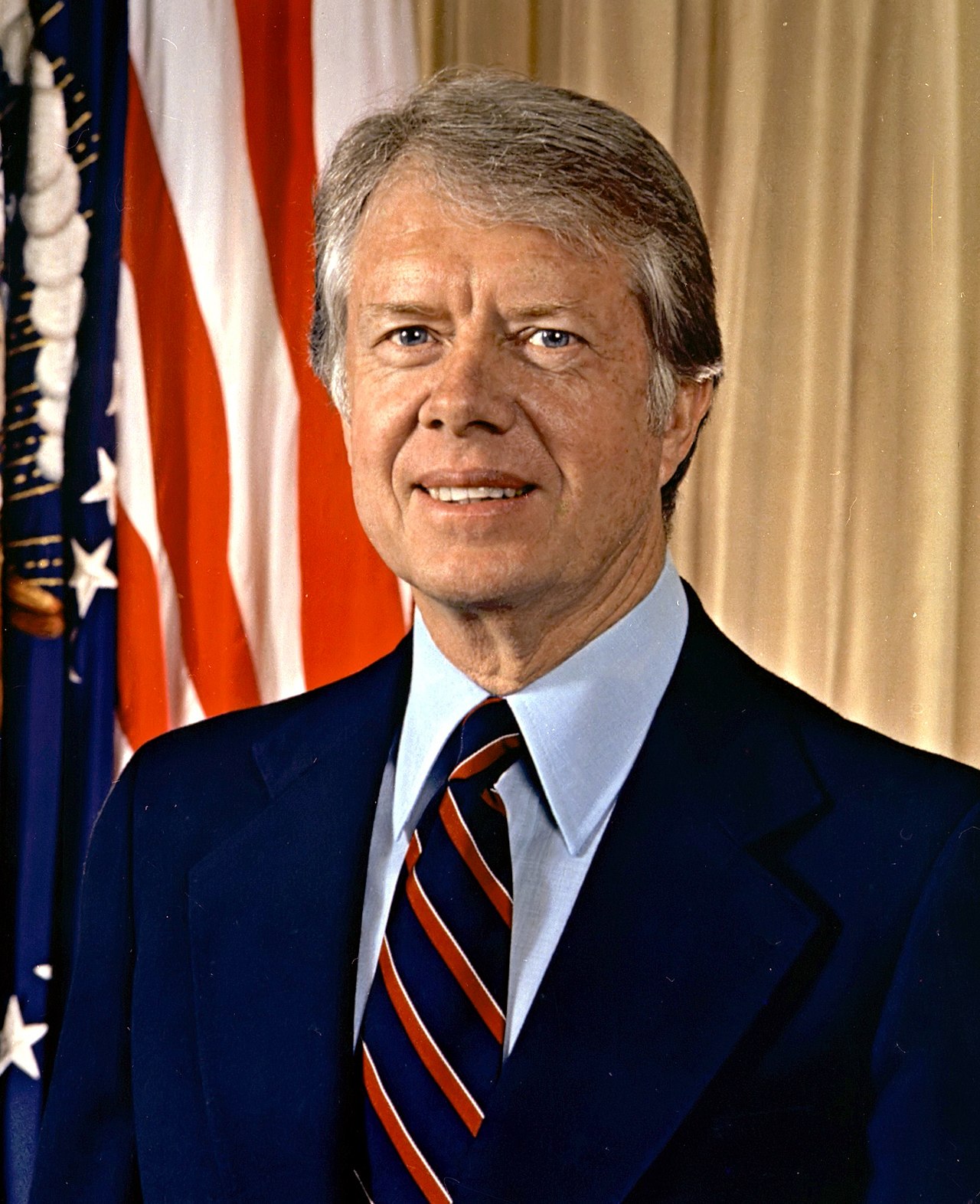


Early life, education and military service
Askew was born in Muskogee and relocated to Florida in 1937. He trained as a lawyer and practiced law before entering elected office. His early adult life included service in the United States Army and later in the United States Air Force, experiences that influenced his sense of public duty and shaped his approach to government service. Background information and records can be found at biographical sources and archival collections.
Political career and governorship
Askew emerged as a leading figure in Florida politics and won election as governor in 1970, taking office in 1971 and serving two terms through 1979. As governor he pursued policies intended to modernize state government operations, increase transparency in public administration, and address long-standing social issues. He governed during a period when the national civil-rights movement and changing demographics were reshaping Southern politics.
Major initiatives and legacy
- Open government and ethics: Askew supported measures to make state government more accountable and accessible to citizens, earning recognition for emphasizing transparency and public records.
- Fiscal and administrative reform: His administration worked on updating tax administration and reorganizing aspects of state government to improve efficiency.
- Civil-rights and social policy: Askew was regarded as a moderate-to-progressive Southern Democrat who supported steps toward racial equality and inclusion in state institutions.
Scholars and commentators have described Askew's governorship as influential in moving Florida toward a more modern, centrally coordinated state government; see evaluations at policy analyses and historical reviews.
Later life and recognition
After leaving the governor's office, Askew remained active in public affairs and continued to be consulted on matters of state policy. He received honors and retrospectives acknowledging his impact on Florida politics and governance. For interviews and retrospective material, consult oral histories and institutional archives at research centers. Obituaries and remembrances were published after his death in 2014; additional context is available at memorial pages.
Askew's career illustrates the role of state executives in shaping policy during a time of transition in the American South: balancing fiscal responsibility, institutional reform, and social progress while navigating changing political landscapes.
Questions and answers
Q: Who was Reubin Askew?
A: Reubin Askew was an American politician and a Democrat from Florida.
Q: When was Reubin Askew born?
A: Reubin Askew was born on September 11, 1928.
Q: Where was Reubin Askew born?
A: Reubin Askew was born in Muskogee, Oklahoma.
Q: When did Reubin Askew move to Florida?
A: Reubin Askew moved to Florida in 1937.
Q: What was Reubin Askew's profession before he became a politician?
A: Reubin Askew was a lawyer before he became a politician.
Q: Which military branches did Reubin Askew serve in?
A: Reubin Askew served in both the US Army and the US Air Force.
Q: When did Reubin Askew pass away?
A: Reubin Askew passed away on March 13, 2014.
Author
AlegsaOnline.com Reubin Askew Leandro Alegsa
URL: https://en.alegsaonline.com/art/129410