
René Magritte — Belgian Surrealist Painter
René Magritte (1898–1967) was a Belgian Surrealist known for precise, enigmatic paintings that challenge perception and language with everyday objects in unexpected contexts.
Overview
René Magritte (1898–1967) was a Belgian artist whose canvases became synonymous with Surrealism through a distinctive blend of ordinary objects, careful realism, and paradoxical composition. Rather than depicting dreamscapes of formless fantasy, Magritte used crisp, realistic technique to place familiar items into surprising relationships, inviting viewers to question how images and words shape meaning.
Image gallery
7 Images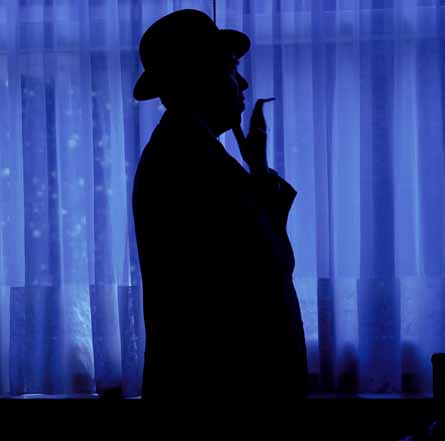

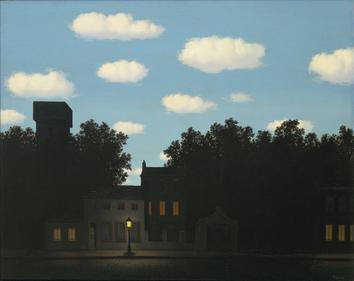


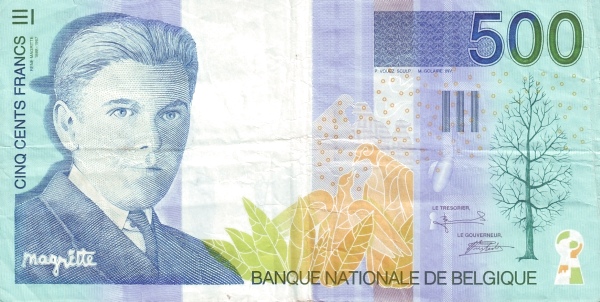
Style and recurring motifs
Magritte is often recognized by a small vocabulary of visual motifs rendered with meticulous clarity. These include bowler hats, floating apples, curtained skies, pipes, masked faces, and windows that both reveal and conceal. His work repeatedly explores themes of identity, representation, and the gap between an object and its name. He painted in oils with a smooth, almost photographic finish, deliberately avoiding loose brushwork to heighten the dissonance between appearance and sense.
Notable works
- The Treachery of Images (showing a pipe with the inscription "Ceci n'est pas une pipe") — a famous meditation on representation.
- The Son of Man — a man in a bowler hat whose face is obscured by a hovering green apple.
- Golconda and The Lovers — pieces that play with repetition, concealment, and the uncanny.
Life and development
Born and raised in Belgium, Magritte trained in local art schools and worked in graphic design and advertising early in his career. He became associated with Surrealist circles in the 1920s and produced a sustained body of work over several decades that moved between playful paradox and darker, more enigmatic images. His wife, Georgette, figures in the biographical record as a steady presence during his creative life and sometimes as a model in his compositions.
Impact and legacy
Magritte influenced not only painters but also filmmakers, writers, and designers by demonstrating how visual puns and iconography can alter perception and language. His clear, lucid surfaces and conceptual twists made Surrealism accessible beyond experimental circles and helped shape later movements such as Pop Art and conceptual art. Museums and exhibitions continue to study his strategies for turning the ordinary into philosophical inquiry.
Further reading
For an introduction to his life and examples of key paintings, see a reliable overview: René Magritte resources and exhibitions.
Author
AlegsaOnline.com René Magritte — Belgian Surrealist Painter Leandro Alegsa
URL: https://en.alegsaonline.com/art/129392