
Remagen — Rhine town in Rhineland-Palatinate, Germany
Remagen is a riverside town on the Rhine noted for the Ludendorff Bridge site and Peace Museum, the Apollinaris pilgrimage church, nearby Rolandseck cultural sites, and an active tourist and transport role.
Overview
Remagen is a small town on the west bank of the River Rhine in western Rhineland-Palatinate, within the district of Ahrweiler. It occupies a compact riverside setting between the larger urban areas of Cologne and Bonn in Germany. The town combines residential neighbourhoods, a pedestrianised centre with shops and cafés, riverside promenades and nearby hillside vineyards. Its location on the Rhine makes Remagen a common stop for regional travellers and river-tour itineraries.
Image gallery
4 Images


History and World War II
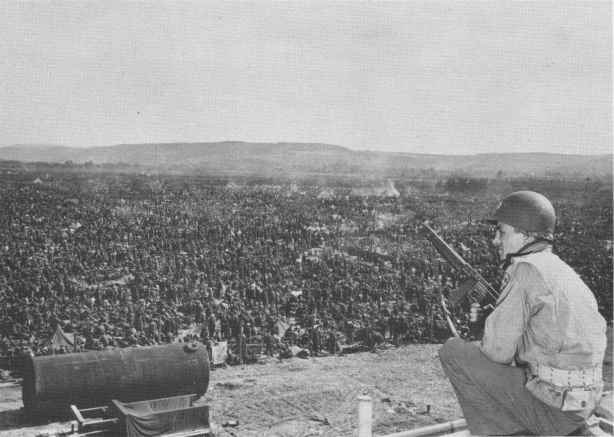
Remagen has a long local history shaped by its river position and by events of the 20th century. The town is widely known for the role it played in the closing months of World War II: Allied troops captured the Ludendorff Bridge at Remagen in March 1945, allowing a significant crossing of the Rhine and accelerating the advance into Germany. The bridge later collapsed and its remains, together with memorials and documentation, form a central part of the town's historical identity. The wartime episode is often discussed in broader accounts of the Allied campaign and the final year of the war in Europe, and the site attracts visitors interested in military history and remembrance (regional context).
Ludendorff Bridge and Peace Museum
The former bridge site is marked by memorials, interpretive displays and a museum that explores the bridge's capture, its collapse and the human stories connected with the Rhine crossings. The Peace Museum (Friedensmuseum) at Remagen documents both the military events and postwar efforts to remember and learn from conflict. Exhibits combine photographs, personal accounts and artefacts to present the event's local and international significance.
Apollinariskirche and Apollinarisberg
Overlooking the town on the Apollinarisberg is the Apollinariskirche, a pilgrimage church reached on foot from the centre by a path that passes a series of Stations of the Cross. The elevated position provides panoramic views of the Rhine and surrounding countryside. The church grounds include historic monastic remains and an outdoor crypt that attract visitors for both religious pilgrimage and heritage interest; more information on the complex is available through local guides and site notices (church complex).
Rolandseck, Arp Museum and riverside castles
Immediately to the north of the town is the Rolandseck area, known for its riverside castle ruins and the Arp Museum Bahnhof Rolandseck, a contemporary art venue housed in a restored railway station. The stretch of the Rhine around Remagen features several castle sites on the hills above the river; many date to the medieval period and contribute to the Middle Rhine's characteristic silhouette of towers and ruins. Together these sites provide cultural and scenic attractions within a short distance of the town centre.
Transport, tourism and local life
Remagen functions as a local transport hub for river and regional connections. A frequent ferry service crosses the Rhine and is popular in summer for short river crossings and leisure trips (ferry service). Regional trains link the town to larger centres such as Cologne, Bonn and Koblenz, and bus services provide connections to neighbouring villages and vineyards. River cruise boats call at Remagen on many Rhine itineraries, while the pedestrianised central streets host shops, cafés, seasonal markets and local festivals that reflect the town's community life.
Economy, wine and recreation
The surrounding area includes vineyards and agricultural land; wine production in the broader Ahr valley and neighbouring slopes contributes to local tourism and small-scale commerce. Outdoor recreation such as hiking, cycling and walks along the Rhine banks are popular with residents and visitors. Remagen's compact size makes it accessible on foot, and its mix of historical sites, museums and natural views supports a steady flow of tourists without extensive urban sprawl.
Practical information for visitors
Visitors will find Remagen suited to short stays, day visits and as a base for exploring the Middle Rhine. The town centre is largely pedestrianised and easy to navigate. Local information centres and municipal resources outline opening times for museums and churches, transport timetables and festival schedules; regional travel planning generally references connections to Cologne and Bonn. Remagen's mixture of architectural heritage, riverside scenery and memorial sites makes it of interest to those tracing cultural history, religious heritage or the landscapes of the Rhine.
Questions and answers
Q: Where is Remagen located?
A: Remagen is located in Rhineland-Palatinate, a district of Ahrweiler in Germany.
Q: How far is Remagen from Cologne?
A: Remagen is about a one-hour drive from Cologne, which is also known as Köln in German.
Q: What is the former capital of West Germany located near Remagen?
A: The former capital of West Germany, Bonn, is located just south of Remagen.
Q: What river is Remagen situated on?
A: Remagen is situated on the River Rhine.
Q: What historic buildings and monuments can be found in Remagen?
A: Remagen has many historic buildings, churches, castles, and monuments.
Q: Is there a ferry across the Rhine from Remagen in the summer?
A: Yes, there is a ferry across the Rhine from Remagen every 10-15 minutes in the summer.
Q: What can be found in the church called the Apollinariskirche?
A: The church called the Apollinariskirche near the city centre has an observation deck that is only open to parishioners on Sundays. Walkers can reach the church via a dirt track that passes roadside monuments for each of the fourteen Stations of the Cross. The church grounds contain an outdoor crypt and an abbey.
Author
AlegsaOnline.com Remagen — Rhine town in Rhineland-Palatinate, Germany Leandro Alegsa
URL: https://en.alegsaonline.com/art/129372