
Ray Marshall (economist and former U.S. Secretary of Labor)
American labor economist, educator and public official; served as U.S. Secretary of Labor (1977–1981) and later as a professor at the University of Texas at Austin.
Overview
Freddie Ray Marshall (born August 22, 1928) is an American economist, educator, author and public official best known for his work on labor policy and workforce development. He served as U.S. Secretary of Labor in the administration of President Jimmy Carter and has combined scholarly research with public service throughout his career. He is also recognized as a policy advisor and commentator on employment and training issues (public profile).
Image gallery
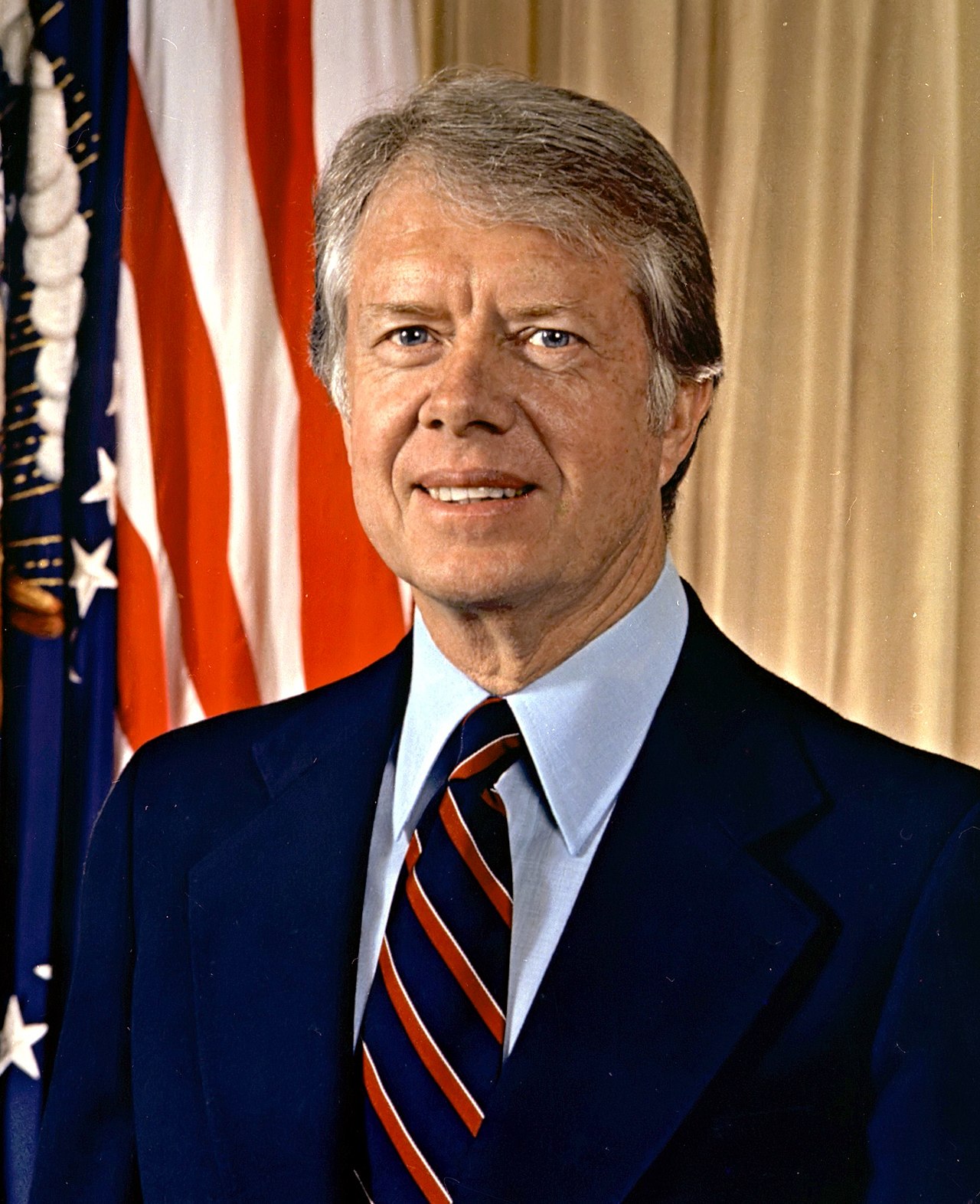
2 Images
Academic position and work
Marshall is Professor Emeritus holding the Audre and Bernard Rapoport Centennial Chair in Economics and Public Affairs, a title that reflects his long-standing engagement with applied economic questions and public policy (chair profile). He taught and conducted research at the University of Texas at Austin, where his faculty role emphasized links between academic study and practical program design (University of Texas at Austin).
Policy focus and contributions
As an academic and cabinet official, Marshall concentrated on labor markets, job training, employment programs and worker protections. His work sought to improve the effectiveness of federal and state employment initiatives, strengthen apprenticeships and vocational training, and promote partnerships among government, employers and educational institutions. He published articles and essays aimed at translating research into actionable policy recommendations.
Service as Secretary of Labor
During his tenure as Secretary of Labor (1977–1981), Marshall oversaw the department’s efforts to administer employment and training programs and to enforce labor standards. He was known for advocating workforce development strategies that addressed unemployment and for emphasizing the role of coordinated public programs in preparing workers for changing labor market demands.
Legacy and relevance
Marshall is regarded as an influential voice on workforce policy who bridged academic research and government practice. His career illustrates how economists can shape public programs and institutional partnerships aimed at improving employment outcomes. Students, policymakers and scholars continue to reference his work in discussions about job training, labor market policy and the design of employment programs.
- Key topics: job training and apprenticeships
- Labor market policy and unemployment
- Worker protections and workplace standards
- Partnerships between education, employers and government
Questions and answers
Q: Who is Ray Marshall?
A: Ray Marshall is an American politician, writer, and educator.
Q: When was Ray Marshall born?
A: Ray Marshall was born on August 22, 1928.
Q: What is Ray Marshall's current title?
A: Ray Marshall's current title is Professor Emeritus of the Audre and Bernard Rapoport Centennial Chair in Economics and Public Affairs at the University of Texas at Austin.
Q: What is Ray Marshall known for?
A: Ray Marshall is known for his work as an economist and his research on labor economics.
Q: Where does Ray Marshall currently work?
A: Ray Marshall currently works at the University of Texas at Austin as a Professor Emeritus.
Q: In what area of study is Ray Marshall an expert?
A: Ray Marshall is an expert in the field of labor economics.
Q: Has Ray Marshall received any accolades for his work?
A: The text does not mention any accolades or awards that Ray Marshall has received.
Author
AlegsaOnline.com Ray Marshall (economist and former U.S. Secretary of Labor) Leandro Alegsa
URL: https://en.alegsaonline.com/art/129318