
Ranulph Fiennes: British explorer, author and expedition leader
Sir Ranulph Fiennes (born 1944) is an English explorer and author known for leading more than 30 expeditions, the Transglobe circumpolar project, polar crossings and high‑altitude climbs including Everest.
Overview
Sir Ranulph Twisleton-Wykeham-Fiennes (born 7 March 1944) is an English explorer and author whose career has combined long-distance expeditions, books and public lectures. Widely reported as one of the most prominent living explorers, he is best known for organising and leading polar and circumpolar journeys, for a sustained output of travel writing, and for fundraising that often accompanied his projects. General biographical resources and profiles provide further context for his life and work, for example biographical resources.
Image gallery
3 Images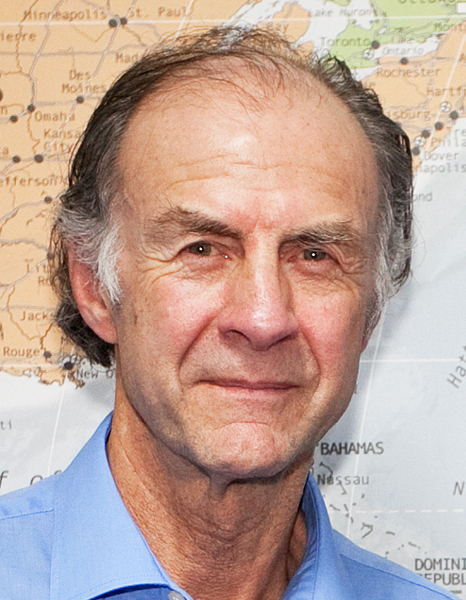


Early life and education
Fiennes was born in Windsor, Berkshire and spent parts of his youth in South Africa before returning to Britain. He received his schooling at well-known British institutions, including time at Eton College. His early experiences and education shaped an interest in travel and outdoor activity and helped prepare him for a later life of organised expeditions. Local archives and regional histories note his place of birth and early background, including material held about Windsor.
Military service and transition to exploration
After leaving school, Fiennes served in the armed forces. His military training contributed practical skills in leadership, navigation and expedition planning that he later adapted to civilian exploration. Many accounts of his expeditions emphasise the logistical discipline and medical preparation that marked his teams, and how military-style planning informed the management of risk and supply on remote journeys.
Major expeditions
Across several decades Fiennes led and took part in dozens of long-distance journeys. Two of his best-known projects are:
- Transglobe Expedition (1979–1982): A longitudinal circumpolar project that traversed both polar regions and completed a continuous surface circumnavigation. The Transglobe effort is often cited as a landmark in modern exploration for its scale and complexity.
- Antarctic and polar crossings: Fiennes organised and participated in multiple Antarctic journeys, including overland traverses that received wide media attention. Some of these expeditions are described in specialist polar literature and records; summaries and expedition logs are available in polar archive sources such as Antarctic expedition records.
Later in his career he also undertook high-altitude climbing and reached the summit of Mount Everest in 2009, adding a significant mountaineering achievement to his polar record; further information on high-altitude expeditions can be found in general profiles like Everest profiles.
Writing, fundraising and public life
Fiennes has written numerous books, articles and personal accounts describing his journeys, preparations and the people involved. His publications include expedition memoirs and broader reflections on endurance and leadership. Many of his projects also had a public-charity dimension: they were used to raise funds for medical research, clinics and other causes, and his public speaking and media presence helped to support those campaigns.
Recognition, debate and legacy
Known publicly as Sir Ranulph, he has been widely honoured and profiled. His career helped popularise modern exploration and inspired interest in polar science, expedition logistics and survival techniques. As with many high-profile polar and high-altitude achievements, aspects of terminology (for example what counts as "unsupported" or as a "first" crossing) have generated discussion among historians, journalists and polar specialists. These debates are reflected in specialist commentaries and in institutional records that aim to document and compare modern exploration feats.
Further reading
Readers seeking more detailed timelines, expedition logs or complete bibliographies should consult biographies, published expedition reports and institutional archives, including the biographical and regional sources linked above. For concise online overviews and selected primary materials see biographical resources, regional pages such as Windsor, educational profiles like Eton College, polar record collections at Antarctic expedition records, and specialist mountaineering summaries at Everest profiles.
Questions and answers
Q: When was Sir Ranulph Twistleton-Wykeham-Fiennes born?
A: Sir Ranulph Twistleton-Wykeham-Fiennes was born on 7 March 1944.
Q: Where did Fiennes grow up?
A: Fiennes grew up in South Africa and lived in England for the rest of his life.
Q: What books has he written?
A: Fiennes has written many books, including 'The Sett', 'Mad, Bad and Dangerous to Know', and 'The Secret Hunters'.
Q: How many expeditions has he led?
A: Fiennes has led over 30 expeditions.
Q: What record does he hold?
A: Fiennes holds the record for his 52,000 mile expedition which ended successfully on August 29th 1982. He is also the only man alive ever to have travelled around the Earth's circumpolar.
Q: When did he climb Mount Everest?
A: Fiennes climbed Mount Everest successfully in 2009.
Author
AlegsaOnline.com Ranulph Fiennes: British explorer, author and expedition leader Leandro Alegsa
URL: https://en.alegsaonline.com/art/129266