
Rani Lakshmibai (Manikarnika Tambe) — Rani of Jhansi
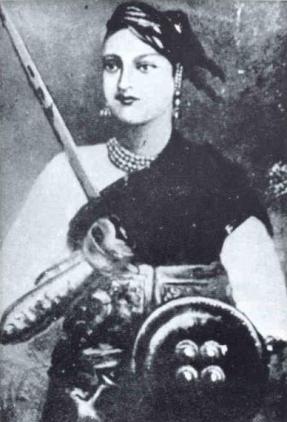
Rani Lakshmibai (1828–1858), born Manikarnika Tambe, was the Queen of Jhansi and a leading figure in the Indian Rebellion of 1857, noted for her military leadership and later role as a symbol of resistance to British rule.
Overview
Rani Lakshmibai, born Manikarnika Tambe in 1828 and often called Manu, became the Rani (queen) of the princely state of Jhansi in central India. Married to Maharaja Gangadhar Rao Newalkar, she is best known for her prominent role in the Indian Rebellion of 1857. Her leadership during the defence of Jhansi, escape after its fall, and continued resistance until her death made her a powerful symbol of opposition to British annexation policies.
Image gallery
10 Images


Early life and training
Accounts describe her childhood in Varanasi (Benares) and early training in horsemanship, swordsmanship and hunting—skills that were unusual for many women of her social milieu but consistent with certain Rajput and Maratha traditions. Contemporary and later sources emphasize her energy, education in household and courtly duties, and familiarity with martial practice.
Marriage, succession and the Doctrine of Lapse
After her marriage to the Maharaja of Jhansi she assumed public duties as queen. When her husband died leaving an adopted son, British authorities applied the Doctrine of Lapse, a policy under which the East India Company refused recognition of the adopted heir and moved to annex the state. Lakshmibai resisted these efforts both in petitions and, when the 1857 uprising spread, by preparing Jhansi's defences.
Role in the 1857 uprising and military actions
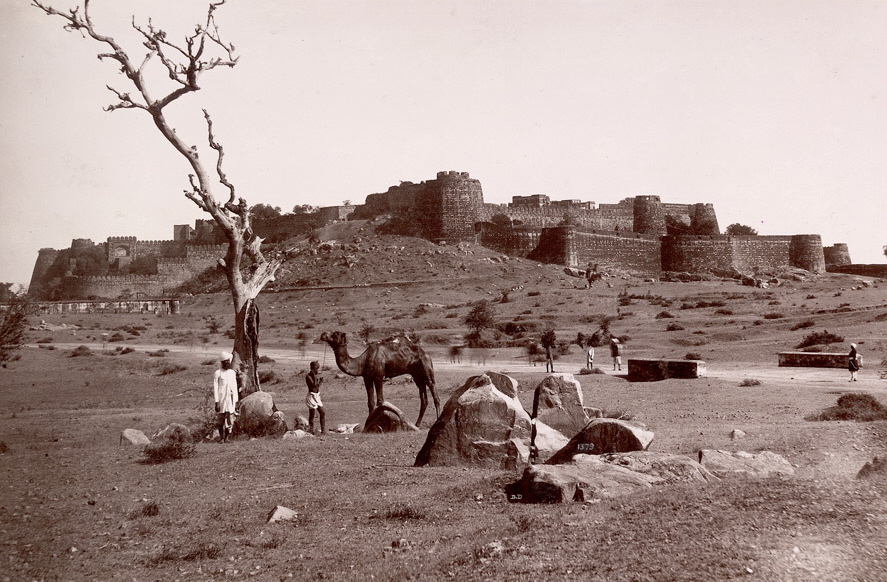
During the uprising she organised troops, supervised fortifications and led sorties from the fort. She formed tactical alliances with other rebel leaders, and contemporary narratives—British and Indian—record her presence on the battlefield. Sources vary on details, but she is widely credited with sustaining the defence of Jhansi during a prolonged siege and later joining rebel forces that held and fought around Gwalior.
Flight, death and contested accounts
After Jhansi fell to British forces she escaped and continued the struggle. Lakshmibai was reported killed in combat near Gwalior in June 1858. Exact circumstances are reconstructed from differing witness accounts; nonetheless her death in action became part of the widespread memory of 1857 as a struggle against colonial rule.
Legacy and memory
In the decades that followed, Rani Lakshmibai became an enduring symbol in Indian literature, drama, poetry and later film. Ballads and patriotic poems, notably in the 20th century, popularised her image as a warrior queen. Historians note that popular portrayals blend documented fact with legend, but her role as a focal figure of resistance is widely recognised.
For concise summaries and curated references see a general overview and a collection of sources.
- Also known as: Jhansi ki Rani, Manikarnika
- Born: 19 November 1828 (commonly cited)
- Died: 18 June 1858 (reported in contemporary accounts)
- Significance: military leader, symbol of anti‑colonial resistance
Questions and answers
Q: Who was Rani Lakshmibai?
A: Rani Lakshmibai was an Indian queen and warrior who was one of the greatest leaders of the Indian Rebellion of 1857.
Q: When was Rani Lakshmibai born and when did she die?
A: Rani Lakshmibai was born on 19 November 1828 and she died on 18 June 1858.
Q: What is Rani Lakshmibai known for?
A: Rani Lakshmibai is known for being one of the greatest leaders of the Indian Rebellion of 1857 and a symbol of resistance to British rule in India.
Q: What was the Indian Rebellion of 1857?
A: The Indian Rebellion of 1857 was a major uprising in India against British rule, led by Indian soldiers, peasants, and nobles.
Q: How did Rani Lakshmibai become a symbol of resistance to British rule in India?
A: Rani Lakshmibai became a symbol of resistance to British rule in India due to her bravery and leadership during the Indian Rebellion of 1857.
Q: What impact did Rani Lakshmibai have on Indian nationalism?
A: Rani Lakshmibai became a symbol of Indian nationalism and a source of inspiration for future Indian leaders in their struggle against British rule.
Q: What is the legacy of Rani Lakshmibai?
A: The legacy of Rani Lakshmibai is that of a brave and courageous queen who fought valiantly against British rule and remains a symbol of resistance to oppression and tyranny.
Author
AlegsaOnline.com Rani Lakshmibai (Manikarnika Tambe) — Rani of Jhansi Leandro Alegsa
URL: https://en.alegsaonline.com/art/129259