
Randy Newman: American singer‑songwriter, composer and pianist
Profile of Randy Newman: life, musical style, notable songs and film scores (notably for Pixar), career highlights, awards, and legacy as a satirical lyricist and orchestral arranger.
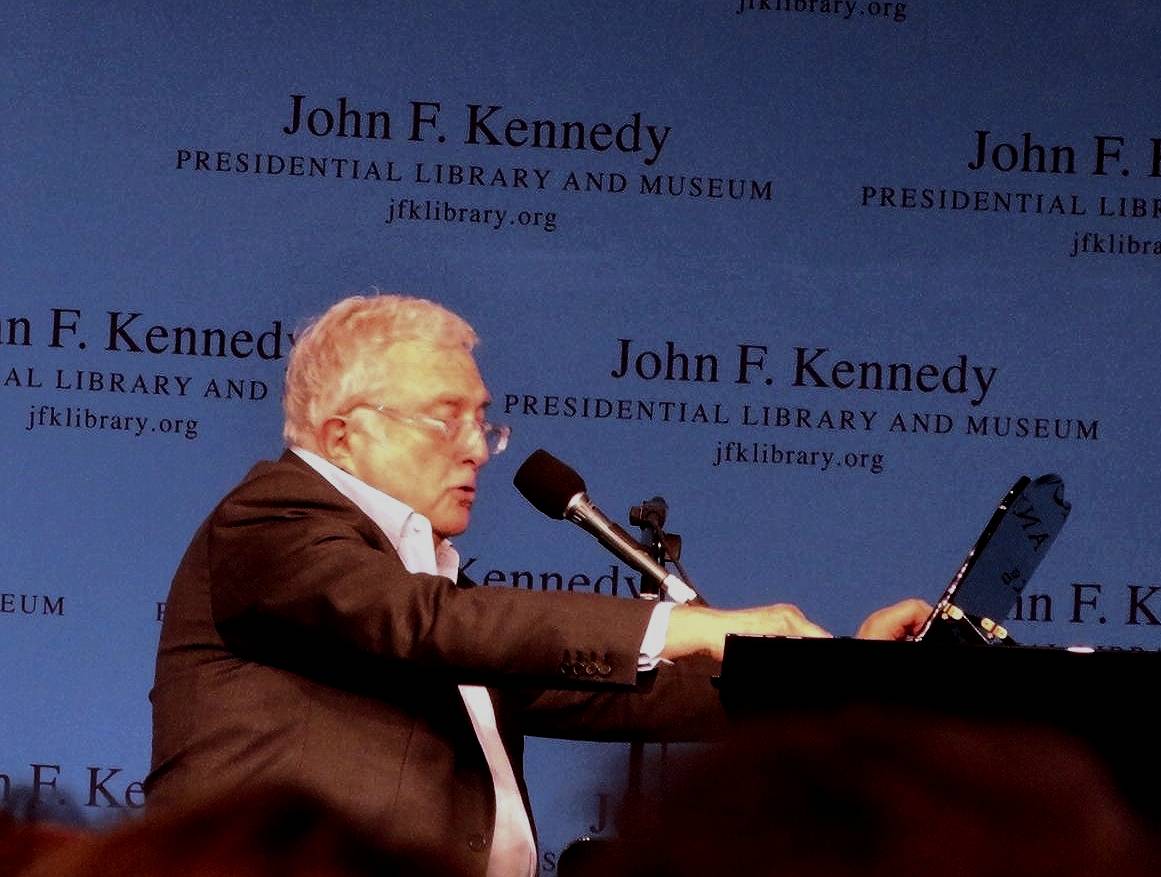
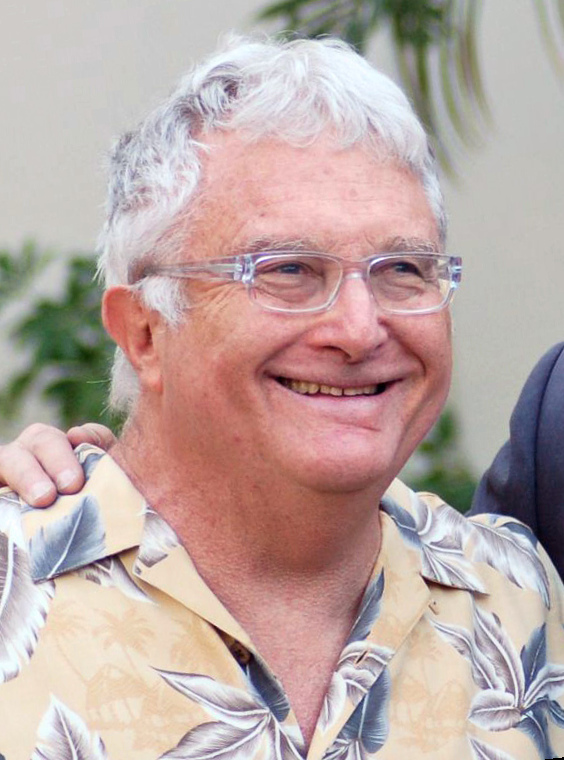
Randy Newman (born Randall Stuart Newman, November 28, 1943) is an American singer‑songwriter, composer, arranger and pianist. Raised in Los Angeles within a musically active family, he developed a career that spans pop records, sophisticated orchestral arrangements and film scoring. His voice, piano-based compositions and ironic lyrical perspective have made him a distinctive figure in American music. For a concise biography, see biography.
Image gallery
5 Images


Musical style and themes
Newman is widely recognized for a conversational, sometimes nasal vocal delivery and for writing songs from fictional or satirical viewpoints rather than straightforward autobiographical statements. He frequently employs irony, dark humor and character narration to explore politics, social issues and everyday human foibles. Listeners and critics often point to his economy of melody, careful orchestration and use of traditional American popular forms; more on his voice and lyrics is available at analysis.
Recordings and notable songs
Beginning in the late 1960s and into the 1970s, Newman released several critically regarded albums; one widely referenced record is Sail Away, which showcased his satirical songwriting. Among his best‑known songs are "Short People," a satiric pop hit, and the anthemic "I Love L.A." His song "You’ve Got a Friend in Me," written for the film Toy Story, became closely associated with his film work and broader popular recognition.
Film scores and collaborations
In addition to his solo records, Newman has built a major career composing for film. He is particularly associated with animated features and family films, composing memorable themes and full scores that blend orchestral textures with popular songwriting. His filmography and credits are summarized at filmography. The Toy Story songs and scores remain among his most enduring contributions; an overview of those songs can be found at key songs.
Awards, reputation and legacy
Newman has received widespread recognition, including multiple Academy Award nominations and wins as well as other industry honors for both songwriting and film composition. His work is often studied for its combination of sophisticated arranging, narrative songwriting and studio craftsmanship. Information about honors and awards is available at awards and honors.
Further reading and resources
- Discography and filmography
- Selections of his songs and scores illustrate how a popular songwriter adapted to orchestral film scoring.
- Critical essays and interviews explore his use of unreliable narrators and social satire.
Questions and answers
Q: Who is Randy Newman?
A: Randy Newman is an American singer-songwriter, arranger, composer, and pianist.
Q: When was Randy Newman born?
A: Randy Newman was born on November 28, 1943.
Q: What is Randy Newman known for?
A: Randy Newman is known for his voice and for his composition works for the Disney Pictures/Pixar movies.
Q: What is Randy Newman's ancestry?
A: Randy Newman is of Jewish descent.
Q: What is Randy Newman's religious affiliation?
A: Randy Newman is an atheist.
Q: What are some of Randy Newman's notable works?
A: Some of Randy Newman's notable works include his compositions for Disney Pictures/Pixar movies, such as the Toy Story movies and Monsters, Inc.
Q: Does Randy Newman play any musical instruments?
A: Yes, Randy Newman is a pianist.
Author
AlegsaOnline.com Randy Newman: American singer‑songwriter, composer and pianist Leandro Alegsa
URL: https://en.alegsaonline.com/art/129250