
Ramón Díaz
Argentine former football striker and manager, celebrated for his goalscoring with River Plate and a lengthy coaching career in Argentina, Mexico, Saudi Arabia and elsewhere.
Ramón Díaz (born 29 August 1959) is an Argentine former footballer and later manager. Primarily known as a prolific centre‑forward during his playing days, he became one of Argentina's better‑known domestic stars and went on to a lengthy coaching career. He is especially associated with the club where he made his name and represented the Argentina national team during his international career.
Image gallery
5 Images


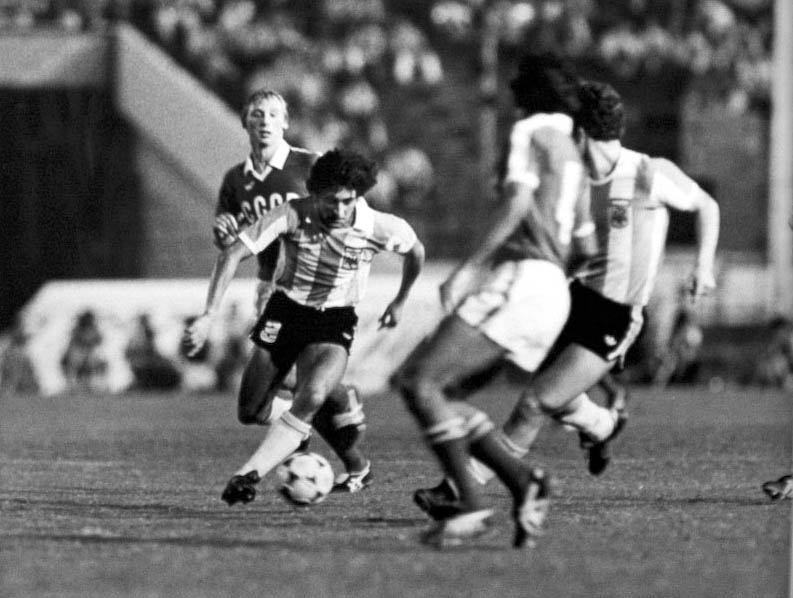
Playing career and characteristics
Díaz built a reputation for intelligent movement, finishing ability and a knack for finding space in the penalty area. Although River Plate was the centre of his playing achievements, he also had spells abroad in European and Mexican leagues. He was regularly among the top scorers in the competitions where he featured and earned caps for his country.
Managerial career
After retiring as a player Díaz moved into management. He returned to the club that had defined his playing career for several distinct coaching spells, winning domestic honours and restoring competitive form at different moments. Beyond Argentina, his managerial résumé includes clubs in Mexico and the Middle East and involvement with other South American sides, illustrating a career spent across varied football cultures.
Style and approach
As a manager Díaz is often described as demanding and attack‑minded, favoring forward play and players who can create and convert chances. His background as a striker informed his emphasis on finishing and offensive movement. He has also been credited with developing young forwards and integrating them into first teams.
Legacy and notable facts
- Recognised for both his playing goalscoring and his successful transitions into coaching.
- Several domestic league titles won as player and coach in Argentina and trophies in other countries.
- Figure of enduring popularity among supporters of the club most associated with him; his name appears frequently in discussions of the club's modern history.
For more about the sport and Ramón Díaz's place in it, see general entries on football and on the structures of South American club competition. His career offers an example of a top‑level player who successfully moved into management while remaining linked to the club that brought him prominence.
Author
AlegsaOnline.com Ramón Díaz Leandro Alegsa
URL: https://en.alegsaonline.com/art/129221