
Rachel Carson: Marine Biologist, Writer, and Environmental Catalyst
Biography and legacy of Rachel Carson, the American marine biologist and writer whose work, including Silent Spring, helped spark modern environmental awareness and policy change.
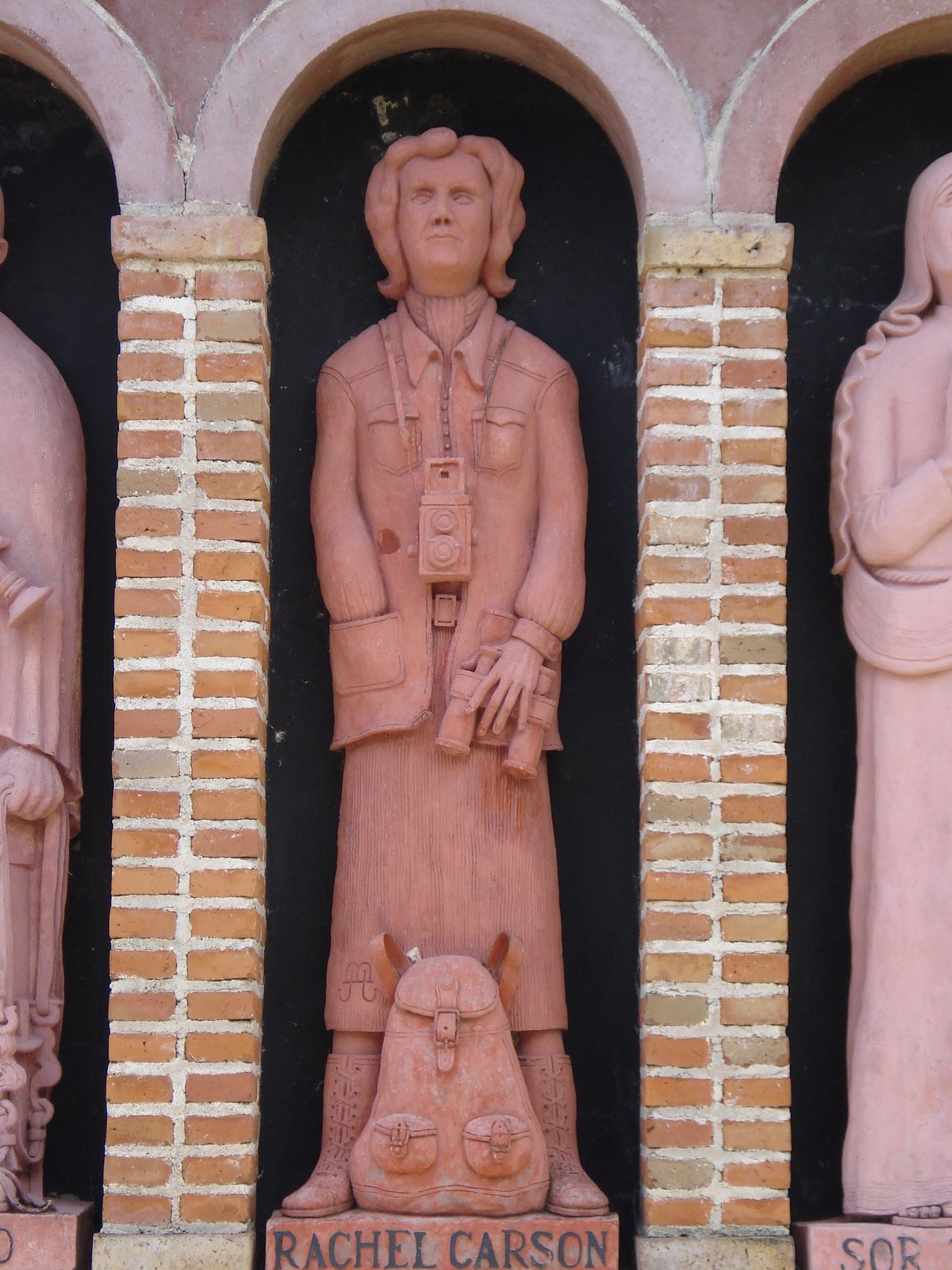
Rachel Carson (May 27, 1907 – April 14, 1964) was an American marine biologist and acclaimed nature writer. Trained in zoology, she combined scientific research with a gift for clear, poetic prose. Carson spent much of her early career as a biologist, scientist and editor for the U.S. Bureau of Fisheries and later the United States Fish and Wildlife Service, where she gained practical experience observing coastal ecosystems and public communication of science.
Image gallery
9 Images




Major works
- Under the Sea-Wind (1941) — a lyrical introduction to life in and around the sea.
- The Sea Around Us (1951) — a best-selling synthesis of oceanography and natural history that brought marine science to a broad audience.
- The Edge of the Sea (1955) — a field-oriented guide to intertidal zones and the creatures found there.
- Silent Spring (1962) — an exposé on the environmental and health effects of pesticides.
Carson's books about the ocean were praised for making scientific ideas accessible and vivid. Her later work, Silent Spring, shifted public attention from natural history to human impacts on ecosystems. The book examined how persistent pesticides, notably DDT, accumulated through food chains and caused observable harm to wildlife. Carson documented cases of eggshell thinning and population declines in birds such as the Bald Eagle, and she warned that careless chemical use could disrupt the seasonal sounds and sights of nature — hence the book's evocative title.
Impact and reception
When it appeared, Silent Spring provoked intense debate. It catalyzed public concern about chemical pesticides and helped galvanize the modern environmental movement. Scientific, political and grassroots responses followed: regulators reexamined pesticide approvals, conservation advocates pushed for stricter controls, and several countries moved to restrict or ban certain persistent compounds. The book is widely credited with influencing policy changes that advanced conservation goals and with contributing to the political momentum that led to the establishment of the Environmental Protection Agency in the United States.
Legacy and honors
- Carson received posthumous recognition for her influence on public policy and culture, including the Presidential Medal of Freedom awarded under President Jimmy Carter.
- The Rachel Carson National Wildlife Refuge in Maine commemorates her connection to coastal environments.
- Her blend of meticulous research and literary style remains a model for scientists seeking to engage the public.
Carson's work did not go unchallenged; chemical industry spokespeople and some scientists disputed aspects of her conclusions, which fueled public debate about evidence, risk, and regulation. She died in 1964, but her influence endures in environmental law, wildlife protection, and the science communication tradition that values both rigor and readability. Today she is remembered as a pivotal figure whose books shifted how society perceives the relationship between human action and the natural world.
Questions and answers
Q: Who was Rachel Louise Carson?
A: Rachel Louise Carson was an American marine biologist and nature writer. She worked for 15 years as a biologist, scientist and editor in the U.S. Bureau of Fisheries and then the United States Fish and Wildlife Service.
Q: What books did she write?
A: Rachel Louise Carson wrote Silent Spring, as well as a set of three books about the ocean and what lives in and around it.
Q: What problem did Silent Spring address?
A: Silent Spring addressed problems with DDT and other pesticides (chemicals that kill pests, like mosquitoes and flies). It was thought these pesticides were safe, but they were actually causing many birds to die due to their accumulation in insects and fish which were eaten by birds.
Q: How did this book lead to change?
A: This book led to a change in the national pesticide policy and a ban on DDT and some other pesticides, as well as inspiring the creation of the Environmental Protection Agency.
Q: What award did Rachel Louise Carson receive after her death?
A: After her death, Rachel Louise Carson was awarded the Presidential Medal of Freedom by Jimmy Carter.
Q: Is there anything named after her?
A: Yes, there is a National Wildlife Refuge in Maine named after her.
Author
AlegsaOnline.com Rachel Carson: Marine Biologist, Writer, and Environmental Catalyst Leandro Alegsa
URL: https://en.alegsaonline.com/art/129114