
Bonner Springs, Kansas
Bonner Springs is a small city in northeastern Kansas spanning three counties, part of the Kansas City metropolitan area; incorporated in 1898, it combines residential neighborhoods, riverfront areas, and regional attractions.
Bonner Springs is a city located on the eastern edge of Kansas, within parts of Wyandotte County, Leavenworth County, and Johnson County, and is part of the Kansas City metropolitan area in Kansas. According to the 2010 census, the city's population was 7,314, with an estimated population of 7,665 reported in 2016 (2016 est.). Bonner Springs was incorporated as a city on November 10, 1898, and since then has developed as a modest regional center that serves both local residents and visitors from the broader metropolitan region.
Image gallery
4 Images
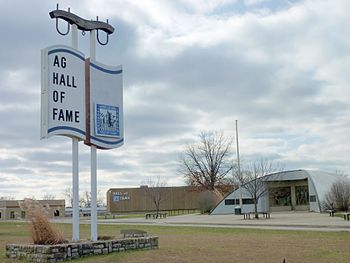
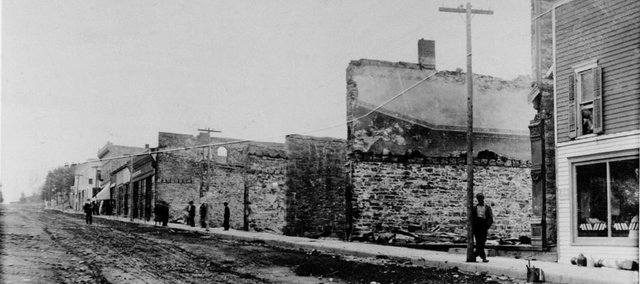

Geography and setting
The city occupies a mix of riverine and upland terrain near the Kansas River, giving it a combination of waterfront areas and established residential neighborhoods. Its location adjacent to a major metropolitan core makes Bonner Springs a commuter-friendly community: residents often travel to nearby employment centers while the city retains local commercial districts and recreational open space. Transportation links include nearby highways and rail corridors that connect the city to Kansas City and other regional destinations.
History and development
Before incorporation in 1898, the area grew through agriculture, river trade and small-scale industry typical of many Midwestern river towns. Incorporation formalized municipal governance and helped spur the development of public services, schools and civic institutions. Over the 20th century Bonner Springs evolved from a river-oriented settlement into a largely residential city with local businesses and community facilities serving the surrounding suburbs.
Characteristics and community features
- Government and services: A municipal government provides local administration, utilities and community planning for a population that straddles three counties.
- Parks and recreation: The city maintains parks, trails and riverfront spaces used for leisure, sports and community events.
- Economy: The local economy includes small businesses, retail services and employers tied to the wider Kansas City labor market; many residents commute to jobs elsewhere in the metropolitan area.
- Transportation: Road and rail access make the city accessible while maintaining a lower-density suburban character compared with nearby urban neighborhoods.
Bonner Springs is notable for its three-county footprint, a feature that affects administration, school district boundaries and planning. The city balances a small-town atmosphere with convenient proximity to metropolitan amenities, making it representative of many suburban communities that orbit larger urban centers.
Visitors and residents alike value the combination of community events, outdoor recreation along the river, and local historical assets. For those researching the city further, county pages and state resources provide additional demographic, legal and historical information via the links above.
Questions and answers
Q: What is Bonner Springs?
A: Bonner Springs is a city in Wyandotte, Leavenworth, and Johnson counties, Kansas, United States.
Q: How many people lived in Bonner Springs in 2010?
A: In 2010, 7,314 people lived in Bonner Springs.
Q: What is the estimated amount of people in Bonner Springs in 2016?
A: The estimated amount of people in Bonner Springs in 2016 was 7,665.
Q: When did Bonner Springs become a city?
A: Bonner Springs became a city on November 10, 1898.
Q: Which metropolitan area is Bonner Springs a part of?
A: Bonner Springs is part of the Kansas City Metropolitan Area.
Q: In which counties is Bonner Springs located?
A: Bonner Springs is located in Wyandotte, Leavenworth, and Johnson counties.
Q: Is Bonner Springs in Kansas or Missouri?
A: Bonner Springs is in Kansas.
Tags
Related articles
Author
AlegsaOnline.com Bonner Springs, Kansas Leandro Alegsa
URL: https://en.alegsaonline.com/art/12908
Sources
- geonames.usgs.gov : Geographic Names Information System (GNIS) details for Bonner Springs, Kansas; United States Geological Survey (USGS); October 13, 1978.
- www2.census.gov : "2017 US Gazetteer files: Places: Kansas"
- factfinder2.census.gov : "American FactFinder"
- census.gov : "Population and Housing Unit Estimates"
- geonames.usgs.gov : "US Board on Geographic Names"
- factfinder.census.gov : "Geographic Identifiers: 2010 Census Summary File 1 (G001): Bonner Springs city, Kansas"
- books.google.com : History of Wyandotte County, Kansas: And Its People, Volume 1
- intellicast.com : intellicast.com/Local/History.aspx?location=USKS0067
- census.gov : "Census of Population and Housing"
- census.gov : "Population Estimates"