
Ptolemaic dynasty: Macedonian Greek rulers of Hellenistic Egypt
The Ptolemaic dynasty (305–30 BC) was a Macedonian Greek royal house that governed Egypt after Alexander the Great, centering in Alexandria and blending Greek and Egyptian institutions until Roman annexation.
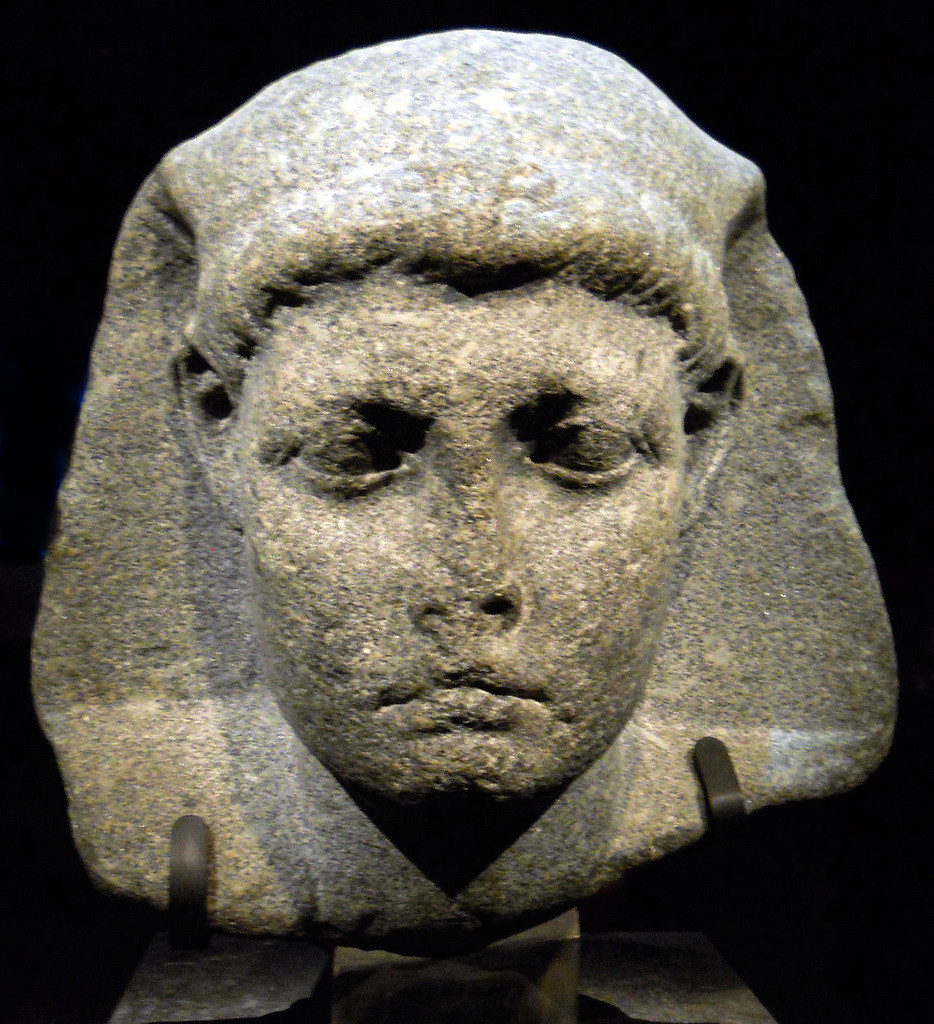
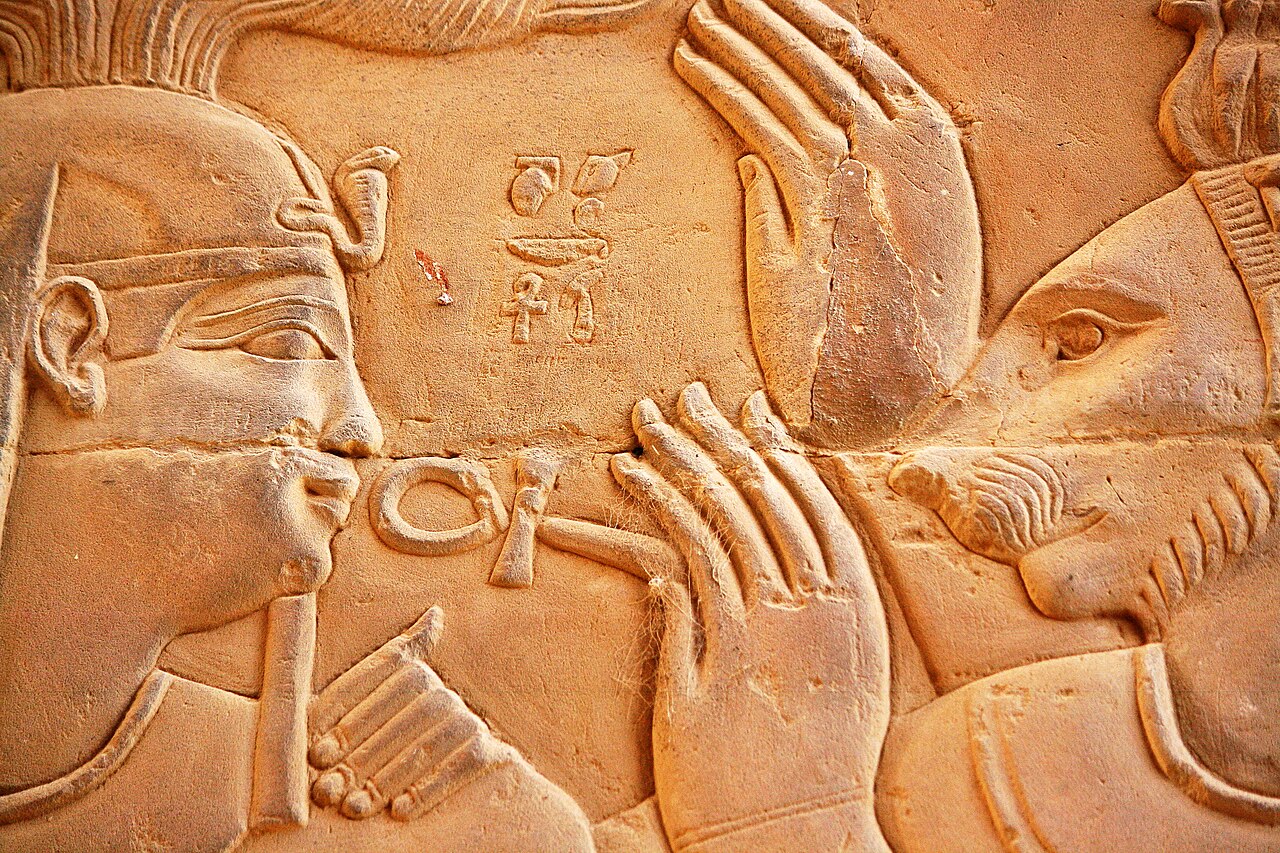
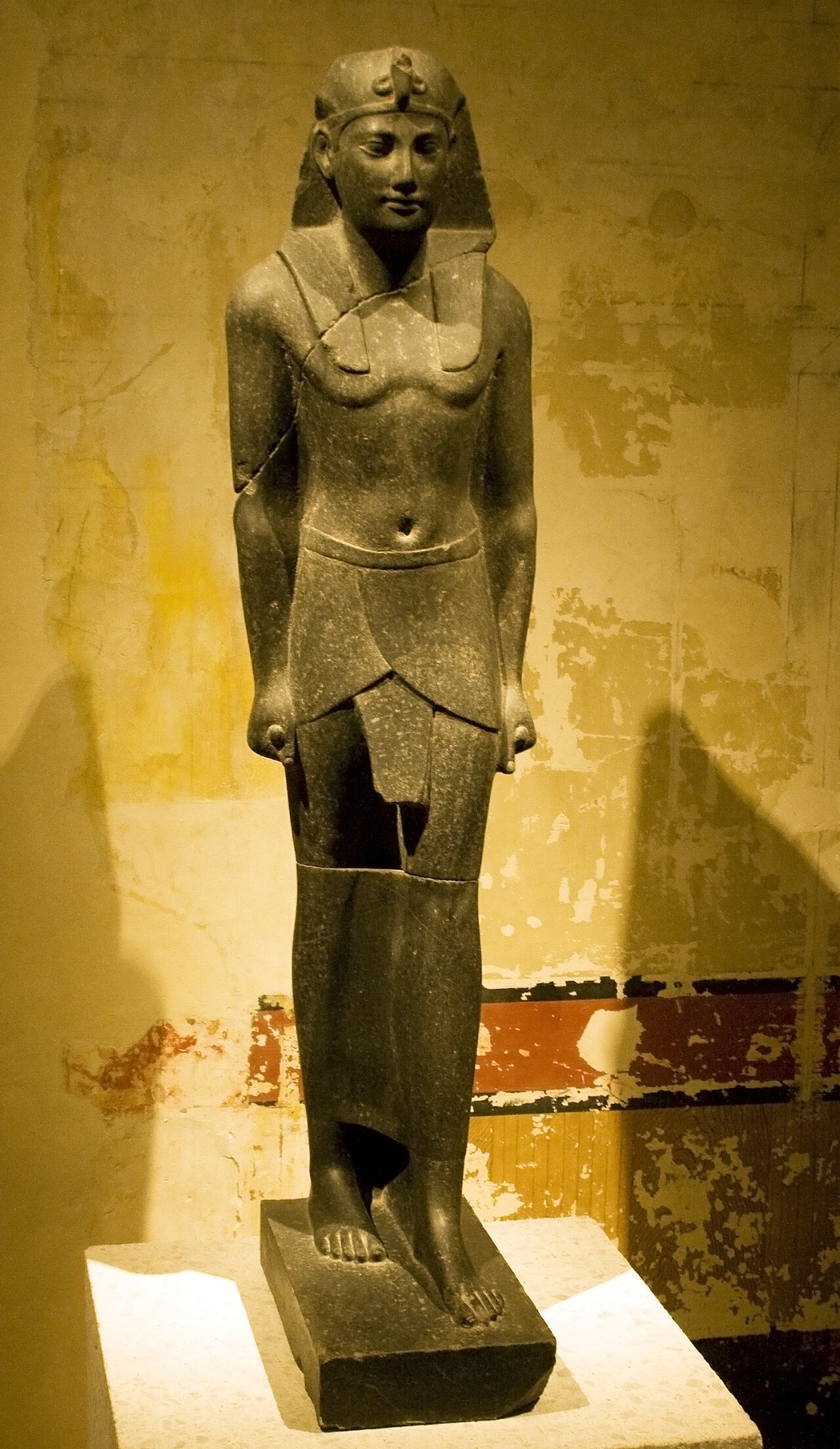
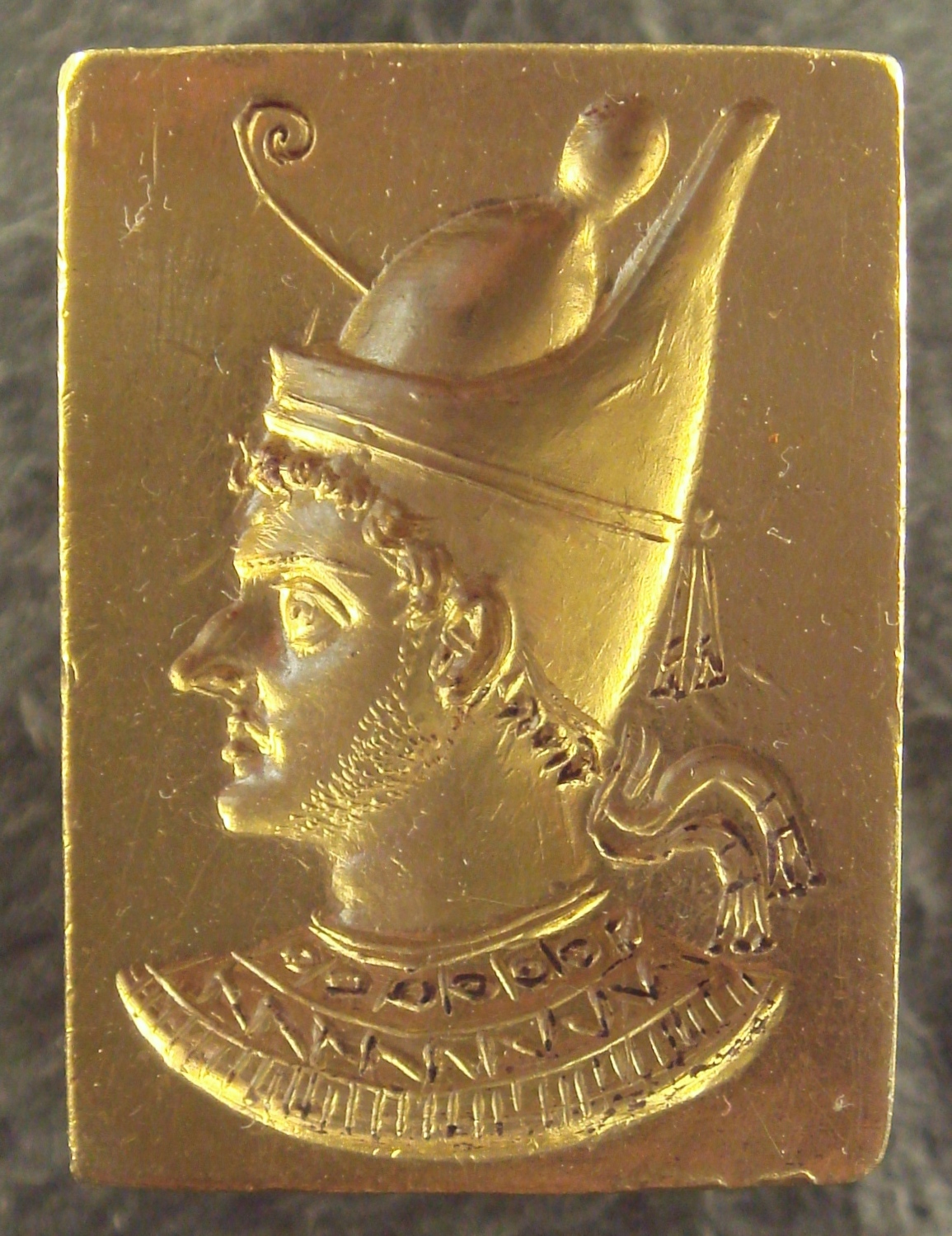
The Ptolemaic dynasty, also called the Lagids, was a Macedonian Greek royal family that ruled Egypt in the Hellenistic period. Emerging from the fragmentation of Alexander the Great's empire, the Ptolemies turned Egypt into a Hellenistic kingdom centered on Alexandria. Their reign is conventionally dated from the declaration of Ptolemy I as king in 305 BC to the suicide of Cleopatra VII and the Roman annexation of 30 BC, a span of roughly 275 years. During this time the dynasty combined Greek administrative practices with longstanding Egyptian pharaonic traditions.
Image gallery
10 Images



Origins and political development
Ptolemy I, one of Alexander's generals and the man appointed satrap of Egypt after Alexander's death, established the family as independent rulers. He adopted the royal title and took on some of the ceremonial and religious roles of the pharaohs, while maintaining a predominantly Greek court and army. The dynasty remained ethnically Macedonian-Greek in its ruling class, using Greek as the language of government and culture, even as it presented itself to native Egyptians as the legitimate continuator of pharaonic rule.
Society, religion, and culture
The Ptolemies promoted a distinctive cultural fusion. They sustained and expanded longstanding Egyptian cults while introducing new syncretic deities such as Serapis, which blended Greek and Egyptian elements to appeal to both communities. Alexandria became a major Mediterranean intellectual center: its royal library and associated research institutions attracted scholars, philosophers, and scientists, and the city functioned as a hub for trade, banking, and artistic production. Royal patronage supported literature, astronomy, mathematics, medicine, and engineering, helping to define the broader Hellenistic world.
Administration, economy, and social structure
Ptolemaic administration combined Greek-style institutions with the Egyptian bureaucracy. Large estates, state-controlled grain collection, and a powerful navy underpinned the economy. The dynasty relied on a layered society in which a Greek-speaking elite controlled urban life and military command, while the majority Egyptian population continued agricultural work and local religious practices. Marriage within the royal family—frequent sibling unions—became a dynastic norm, intended to preserve royal authority and property.
Decline and legacy
Over the last century of their rule the Ptolemies faced internal dynastic struggles and increased Roman influence. The last queen, Cleopatra VII, engaged in high-stakes alliances and conflicts with leading Roman figures; her relationships with Julius Caesar and Mark Antony are among the most remembered episodes of the period. Her death in 30 BC marked the end of native Hellenistic monarchy in Egypt and the incorporation of Egypt into the Roman state. The Ptolemaic era left a lasting legacy: a cosmopolitan urban culture in Alexandria, a body of art and architecture blending Greek and Egyptian styles, and a model of Hellenistic kingship that influenced subsequent rulers.
Notable facts and distinctions
- Dynastic names: Male rulers typically bore the name Ptolemy; queens were often named Cleopatra, Berenice, or Arsinoe.
- Religious policy: The dynasty officially embraced and reinterpreted Egyptian religious symbols to legitimize rule.
- Cultural prominence: Alexandria was a premier center of learning and commerce in the Mediterranean.
Further reading and related topics
- Ptolemaic dynasty overview
- Ancient Egypt
- Alexander the Great and the Successor Kingdoms
- Satrapal administration in the Hellenistic world
- Egypt under the Ptolemies
- Royal epithets and ideology
- Pharaonic traditions and legitimacy
- Pre-Hellenistic Persian rule in Egypt
- Roman interactions with Hellenistic kingdoms
- Julius Caesar
- Pompey the Great
- Octavian and the rise of the Roman Empire
- Mark Antony
Questions and answers
Q: Who were the Ptolemies?
A: The Ptolemies were a Macedonian Greek royal family who ruled over Egypt and were the last dynasty of ancient Egypt.
Q: How long did the Ptolemaic dynasty last?
A: The Ptolemaic dynasty lasted for 275 years, from 305 BC to 30 BC.
Q: Who was Ptolemy?
A: Ptolemy was one of Alexander the Great's generals and deputies who was appointed satrap of Egypt after Alexander's death in 323 BC. He later declared himself King Ptolemy I.
Q: Why did the Egyptians accept the Ptolemies as the successors to the pharaohs of independent Egypt?
A: The Egyptians accepted the Ptolemies as the successors to the pharaohs of independent Egypt because they usually lived in Egypt unlike their previous rulers under the Achaemenid Empire.
Q: What was the name of the last queen of the Ptolemaic dynasty?
A: The name of the last queen of the Ptolemaic dynasty was Cleopatra VII.
Q: Who was Cleopatra VII involved in the Roman political battles between?
A: Cleopatra VII was involved in the Roman political battles between Julius Caesar and Pompey, and later between Octavian and Mark Antony.
Q: What marked the end of Ptolemaic rule in Egypt?
A: The death of Cleopatra VII marked the end of Ptolemaic rule in Egypt.
Author
AlegsaOnline.com Ptolemaic dynasty: Macedonian Greek rulers of Hellenistic Egypt Leandro Alegsa
URL: https://en.alegsaonline.com/art/129042