
Prudence Crandall: Educator and Early Civil Rights Figure
Prudence Crandall (1803–1890) was an American teacher whose Canterbury school and subsequent legal case challenged race-based limits on education and helped shape early debates on civil rights.
Overview
Prudence Crandall was an American educator remembered for her principled defense of equal schooling for African American girls in the 1830s. Born into a family of Quakers, she trained at a Friends' boarding school before opening a private academy. Her actions and the legal battle that followed made her a focal point in antebellum struggles over race, education, and the law.
Image gallery
3 Images

Early life and teaching
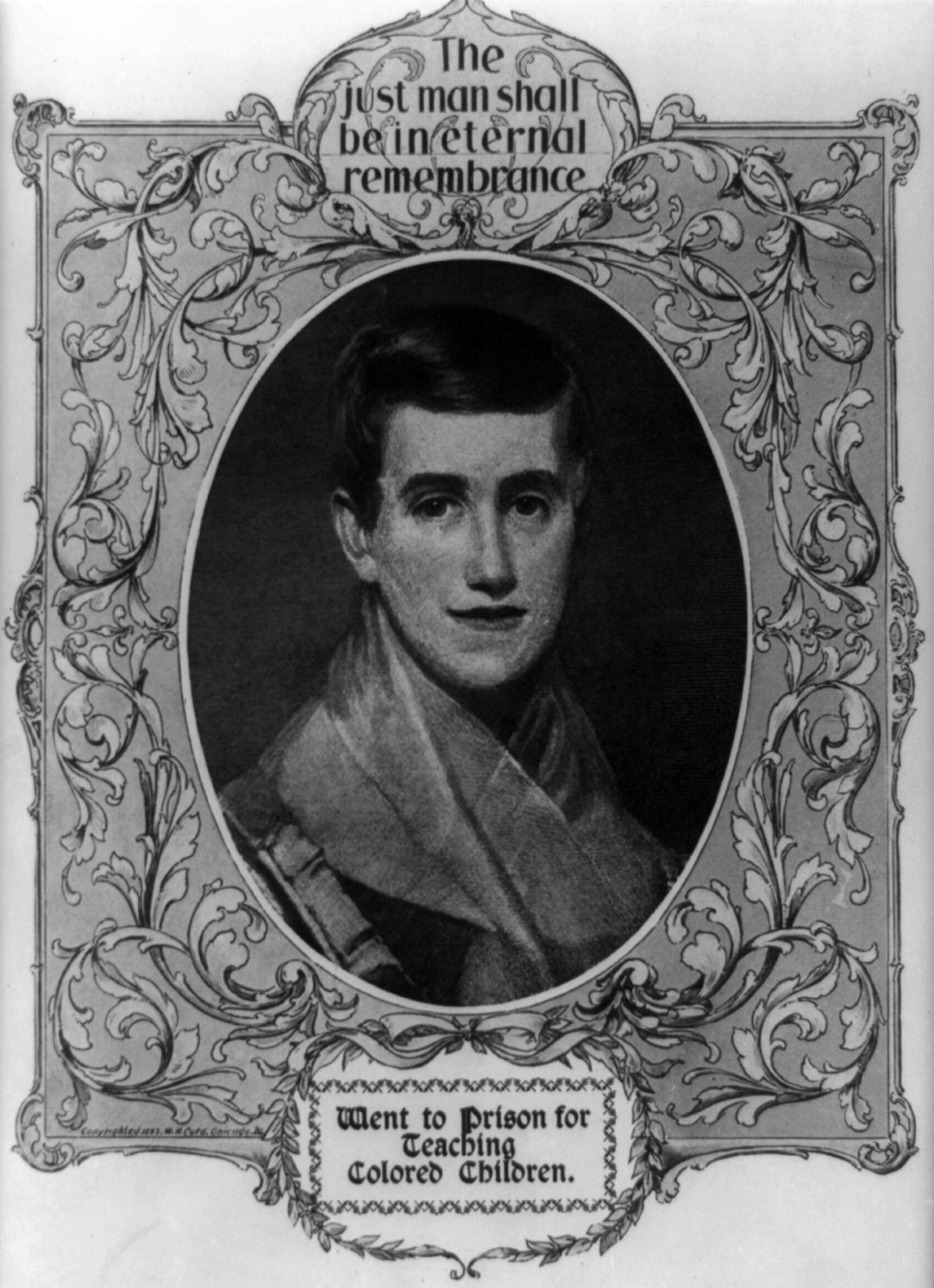
Crandall attended the New England Friends’ Boarding School in Providence (see school) and later established a girls' academy in Canterbury, Connecticut (Canterbury). In 1833 she admitted an African American student to the school despite protests from parents of white pupils. Rather than expel the student, Crandall converted the academy into a school specifically for African American girls, an uncommon and controversial step in New England at the time.
Legal conflict and community opposition
The enrollment of out‑of‑state African American girls prompted the Connecticut legislature to pass new restrictions. That body (the Connecticut legislature) enacted what opponents called the "Black Law" (Black Law), which forbade educating African American students who had come from outside the state without local permission (targeted pupils). Crandall was arrested (arrested), prosecuted, and initially convicted (convicted) under the statute. A higher court later reversed the conviction (appeal and reversal), but repeated harassment from neighbors and violent threats (intimidation and attacks)—including damage to the school—made continued operation impossible, and Crandall closed the school in 1834.
Later life
After the Canterbury episode, Crandall married Calvin Philleo, a Baptist minister and abolitionist, and left Connecticut in 1835. The family lived on a farm in New York and later in Illinois (Illinois), where she again taught from home and took part in early women's rights activities. Following her husband's death in 1874 she moved to Kansas (Kansas) to live with family. In recognition of her sacrifices, the Connecticut legislature granted her a pension in 1886 (pension). She died in 1890 and was buried in Kansas.
Legacy and significance
Crandall's case remains notable as an early confrontation between state law and the rights of African Americans to access education. Her former school in Canterbury is preserved as the Prudence Crandall Museum and her story is cited in histories of antebellum reform, abolitionism, and educational equality. In 1995 Connecticut designated her its official state heroine, a recognition of both her personal courage and the broader struggle for civil rights. Key aspects of her legacy include:
- The use of education as a site of social and legal contestation.
- A documented legal challenge to race‑based educational restrictions.
- Enduring local commemoration through a museum and state honors.
Prudence Crandall's life illustrates how one teacher's commitment to principle can provoke legal change and public debate; even where immediate outcomes were mixed, her example continued to influence later advocates for equal education and civil rights.
Questions and answers
Q: Who was Prudence Crandall?
A: Prudence Crandall was an American teacher born to Quakers on September 3, 1803.
Q: Where did she go to school?
A: She went to the New England Friends’ Boarding School in Providence, Rhode Island.
Q: What did she do in October 1831?
A: In October 1831, she opened a private girls’ school in Canterbury, Connecticut.
Q: How did the parents of white students react when an African American girl was admitted to her school?
A: The parents of the white girls in the school wanted the black girl expelled.
Q: What law made it illegal for her to teach African American pupils from other states?
A: The Connecticut legislature passed the "Black Law", which made it illegal to open a school that taught African American pupils from a state other than Connecticut.
Q: What happened after neighbors harassed her and smashed windows at her school?
A: After neighbors harassed her and smashed windows at her school, Crandall feared for the students’ safety and closed the school in 1834.
Q: Where did she move after marrying Baptist minister and abolitionist Calvin Philleo?
A: After marrying Baptist minister and abolitionist Calvin Philleo, they moved to Illinois where Crandall ran a school from her home and took part in women’s rights activities.
Author
AlegsaOnline.com Prudence Crandall: Educator and Early Civil Rights Figure Leandro Alegsa
URL: https://en.alegsaonline.com/art/129039