
Prince Frederick, Duke of York and Albany
British prince (1763–1827), second son of King George III; long-serving Commander-in-Chief who carried out major army reforms and was heir presumptive from 1820 until his death.
Overview
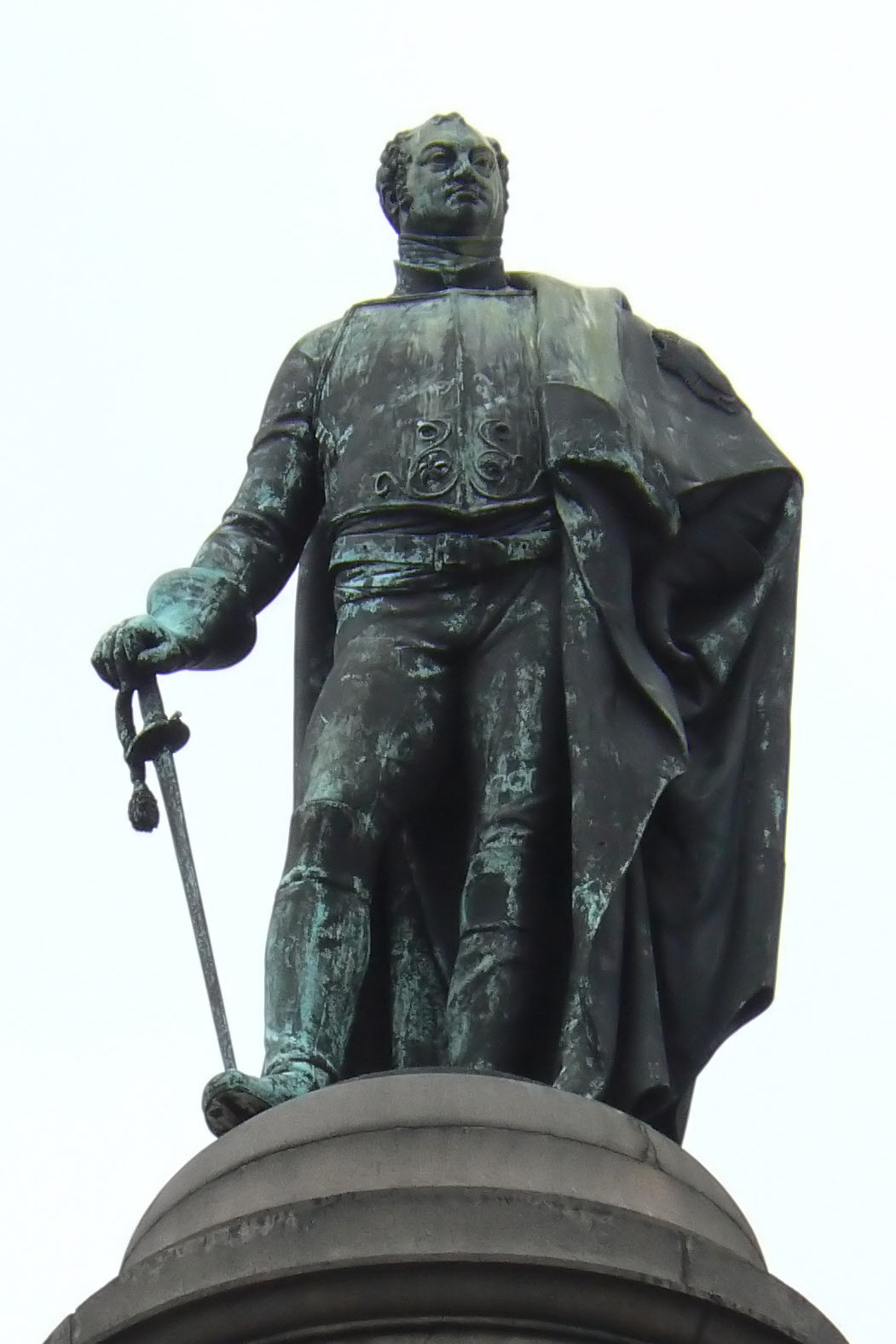
Prince Frederick Augustus, Duke of York and Albany (16 August 1763 – 5 January 1827) was the second son of King George III and Queen Charlotte. A senior member of the House of Hanover, he combined a public military role with duties as a royal prince. He is best known for his long connection with the British Army as Commander-in-Chief and for his position as heir presumptive to the throne from 1820 until his death.
Image gallery
10 Images


Early life and family
Born into a large royal household, Frederick received the education and early military commissions typical for princes of his era. He began active service at a young age and served in continental operations during the wars of the 1790s, experiences that shaped his later interest in army administration.
Military career and reforms
Frederick held the office of Commander-in-Chief of the Forces across two extended periods. After early campaign disappointments damaged his reputation, he devoted himself to professionalizing the army. His efforts emphasized better training, improved administration and record-keeping, the organization of depots and schools for soldiers, and measures to raise standards among officers and men. He supported the development of formal officer education and a more systematic approach to recruitment and organization, reforms that helped to modernize the army during and after the Napoleonic era.
Public image and personal life
In 1791 Frederick married Princess Frederica Charlotte of Prussia. The marriage was unhappy and produced no surviving legitimate children; the couple lived largely apart. He attracted public attention both for military setbacks and for the administrative reforms that followed. Popular culture later linked him with the nursery rhyme often called "The Grand Old Duke of York," a reference to his military role in public memory.
Later years and legacy
On his elder brother's accession to the throne in 1820, Frederick became heir presumptive and remained so until his death in 1827. With no legitimate offspring, his titles did not descend to a son; his younger brothers succeeded in the line of succession. Today historians recognize his mixed legacy: conspicuous campaign failures in his early career but substantial and lasting improvements to the organization and professional standards of the British Army. Monuments, regimental memorials and place names preserve his memory in Britain.
Notable facts
- Second son of King George III and Queen Charlotte.
- Long-serving Commander-in-Chief who implemented administrative and training reforms.
- Married Princess Frederica Charlotte of Prussia; no surviving legitimate issue.
- Heir presumptive from 1820 until his death in 1827; remembered in popular culture and memorials.
Author
AlegsaOnline.com Prince Frederick, Duke of York and Albany Leandro Alegsa
URL: https://en.alegsaonline.com/art/129012