
Prince Edward, Duke of Kent — British royal, public servant, and cousin of Queen Elizabeth II
Prince Edward, Duke of Kent (born 1935) is a senior member of the British royal family, known for long public service, a range of royal patronages and his inheritance of the dukedom after his father's death in 1942.
Overview
Prince Edward, Duke of Kent, KG, GCMG, GCVO, CD (born Edward George Nicholas Paul Patrick; 9 October 1935) is a senior member of the British royal family. He is a first cousin of Queen Elizabeth II and has held the hereditary title Duke of Kent since his father's death in 1942. Over many decades he has carried out official engagements on behalf of the monarch and maintained numerous patronages and ceremonial roles.
Image gallery
8 Images



Early life and family
Edward was born at No. 3 Belgrave Square in London, the eldest son of Prince George, Duke of Kent, and Princess Marina of Greece and Denmark. His father was a younger son of King George V, making Edward a first cousin to Queen Elizabeth II through their fathers. His maternal connections link him to other European royal families; through his mother he is also related to Prince Philip, Duke of Edinburgh, which further connects him to subsequent generations of the British royal family such as Prince Charles and his siblings. His father died in a wartime air crash on 25 August 1942, at which point Edward succeeded to the dukedom as a child.
Titles, honours and public roles
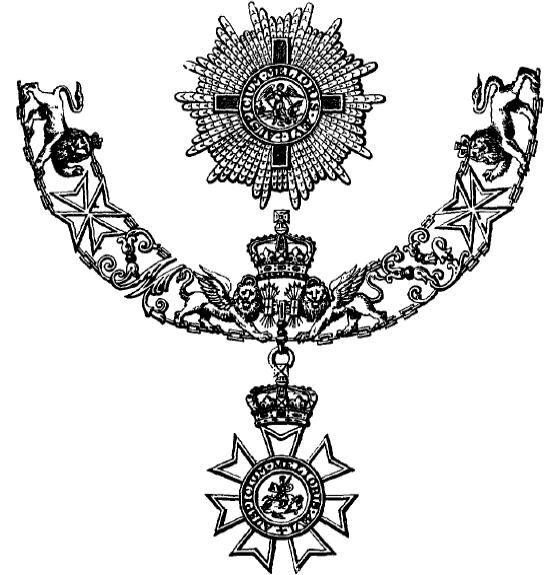
The Duke of Kent bears several high-ranking honours and post-nominal letters reflecting state and personal awards. He is a Knight of the Garter and has received other senior decorations. Throughout his adult life he has represented the sovereign at ceremonial occasions, official openings and commemorations both in the United Kingdom and overseas. He has been associated with military and civic organisations and has maintained ties with groups that focus on youth, heritage and service.
Patronages and charitable work
The duke is known for long-standing patronage of charities, professional bodies and cultural institutions. His interests have included organisations supporting young people, voluntary service, and the arts. These engagements typically involve ceremonial appearances, chairing or attending anniversaries and lending public support to fundraising efforts. His role is characteristic of senior working members of the royal family who combine symbolic presence with advocacy for charitable causes.
Marriage and children
In 1961 Prince Edward married Katharine Worsley, who became the Duchess of Kent. The couple have three children: George Windsor, Earl of St Andrews; Lady Helen Taylor; and Lord Nicholas Windsor. His family life has been private compared with the public nature of his official duties, though his children have taken on their own roles and public activities in various degrees.
Notable facts and public perception
- He became Duke of Kent as a child after a wartime tragedy and has retained that title for many decades.
- He is one of a small group of senior royals who have combined ceremonial duties with long-term charitable patronage.
- Through both his paternal and maternal lines he is closely connected to the core branches of the British royal family, including links to Prince Philip, Duke of Edinburgh and the descendants of Queen Elizabeth II.
Today the Duke of Kent is viewed as a steady, long-serving member of the monarchy who continues to undertake engagements and support institutions consistent with the constitutional and ceremonial role of the royal family.
Author
AlegsaOnline.com Prince Edward, Duke of Kent — British royal, public servant, and cousin of Queen Elizabeth II Leandro Alegsa
URL: https://en.alegsaonline.com/art/129007