
Princess Sophia of the United Kingdom
Princess Sophia Matilda (1777–1848), fifth daughter of King George III and Queen Charlotte; a British princess of the late Georgian and Regency eras who remained unmarried and lived a private court life.
Overview
Princess Sophia Matilda (2 November 1777 – 27 May 1848) was the fifth daughter of King George III and Queen Charlotte and one of the fifteen children of that marriage. Styled Her Royal Highness, she belonged to the immediate royal family during a period of major political and social change in Britain, including the French Revolutionary and Napoleonic Wars, the 1801 Act of Union and the long Regency that followed her father's incapacity.
Image gallery
8 Images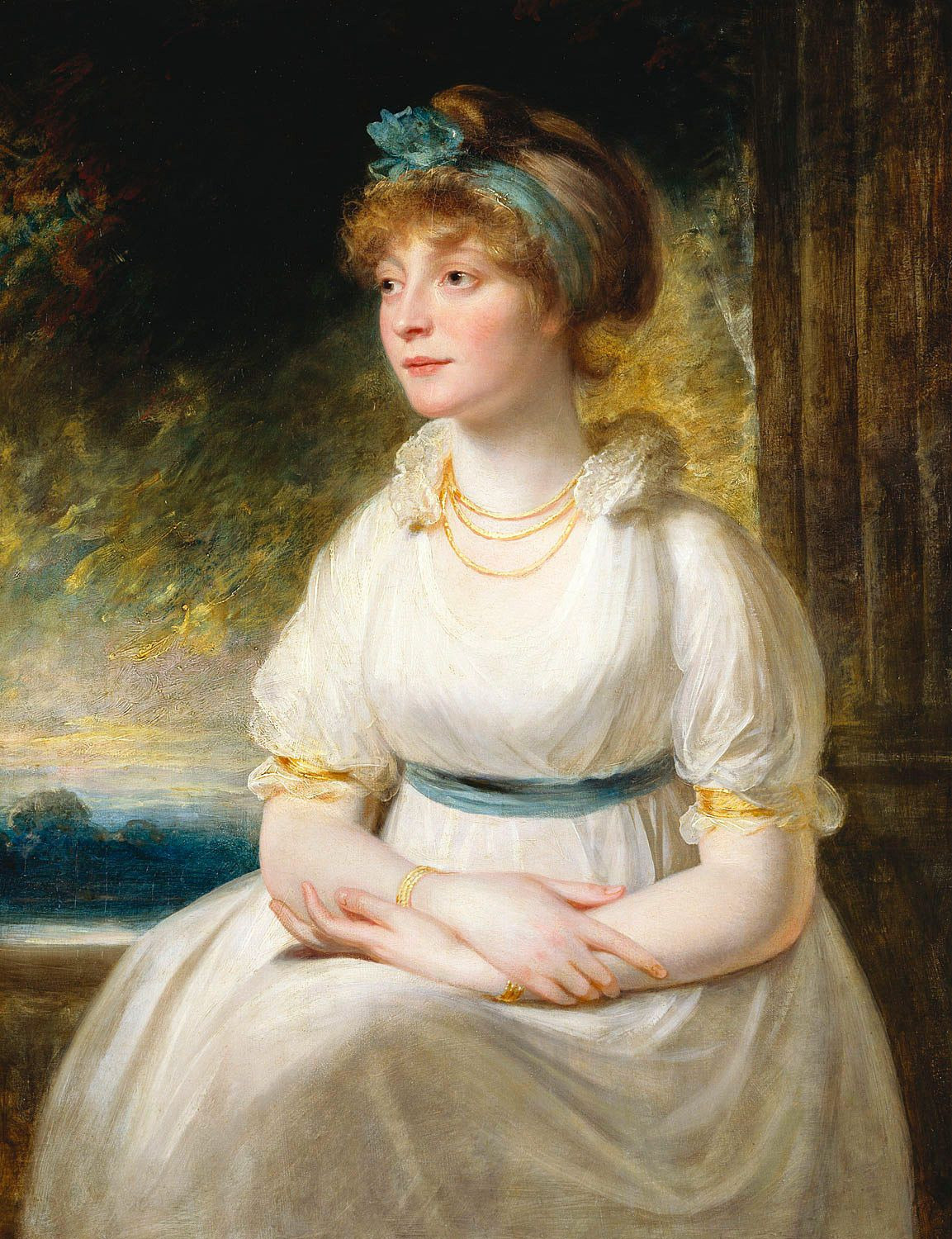


Early life and upbringing
Sophia was raised within the formal household of the Georgian monarchy, where education for princesses combined accomplishments such as music, drawing and modern languages with religious and moral instruction. Daily life for royal children emphasized ceremony, etiquette and preparation for public duty; many daughters of the king were brought up to perform court functions, represent the crown at social events and support dynastic alliances.
Role at court and public life
Unlike some of her siblings, Sophia did not become notable for a public political role or high-profile marriage. Her life was largely centered on family duties, attendance at court and participation in the social life of the monarchy. The prolonged episodes of her father's ill health and the Regency under the Prince of Wales affected the routines and responsibilities of the royal household and the visibility of its members.
Later years and legacy
Princess Sophia remained unmarried and had no children. She lived into the early years of Queen Victoria's reign and died on 27 May 1848 at the age of 70. Her life exemplifies the experience of many royal women of the late 18th and early 19th centuries who, whether through choice or circumstance, led comparatively private lives within the structures of a large dynastic family.
Notable facts and context
- Full name: Sophia Matilda.
- Parents: King George III and Queen Charlotte.
- Birth and death: 2 November 1777 – 27 May 1848.
- One of fifteen children; raised for court duties and dynastic representation rather than an independent public career.
- Her life spanned the late Georgian period, the Regency and the beginning of the Victorian era, illustrating contemporary expectations for royal women of rank.
Author
AlegsaOnline.com Princess Sophia of the United Kingdom Leandro Alegsa
URL: https://en.alegsaonline.com/art/129001