
Pope Urban VI (Bartolomeo Prignano): papacy, schism, and legacy
Pope Urban VI (c.1318–1389), born Bartolomeo Prignano, was elected in 1378. His temperament and disputed election triggered the Western Schism, dividing the Church for decades and shaping late medieval papal politics.
Overview
Bartolomeo Prignano, known as Pope Urban VI (c.1318–15 October 1389), led the Latin Church from 1378 until his death. A Neapolitan cleric and canon lawyer who served as archbishop before his election, he became the 203rd Pope. His pontificate is best remembered for the immediate crisis that followed his election and for reforms he attempted within the curia.
Image gallery
7 Images

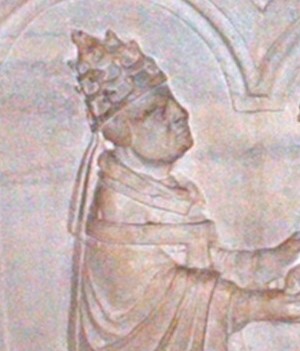


Background and election
Prignano had a reputation as an able administrator and jurist. After the death of Pope Gregory XI, he was chosen by the conclave in Rome under intense pressure from Roman citizens who wanted a resident, Italian pope. His election — conducted in a charged atmosphere — satisfied some factions but alarmed a number of French cardinals, contributing to later divisions.
Controversy and the Western Schism
Soon after his election a group of dissenting cardinals declared the process invalid and elected a rival pope in Avignon, beginning the Western Schism. This split the Church into competing obediences, with courts in Rome and Avignon each claiming legitimacy. The schism lasted for nearly forty years and involved secular rulers as well as churchmen.
Policies, character, and conflicts
Urban attempted administrative reforms and stern discipline among clergy and officials. Contemporary accounts often emphasize his irritable and uncompromising temperament; later historians caution that some reports may be biased by factional sources. His relations with certain cardinals and European monarchs were frequently tense.
Legacy and significance
Urban VI's papacy had long-term consequences because it hardened positions that sustained the schism until efforts at conciliar settlement in the 15th century. He remains a controversial figure: credited with trying to assert papal authority and criticized for actions that alienated allies. For basic context on the Catholic institution he led see the Roman Catholic Church, and for reference to papal lists consult standard papal registers.
- Born Bartolomeo Prignano (c.1318)
- Elected pope in 1378 amid popular pressure
- His election precipitated the Western Schism
- Died 15 October 1389; succeeded in the Roman line by Boniface IX
Questions and answers
Q: Who was Pope Urban VI?
A: Pope Urban VI was an Italian priest of the Roman Catholic Church and the 203rd Pope from 1378 to 1389.
Q: What was Pope Urban VI's birth name?
A: Pope Urban VI's birth name was Bartolomeo Prignano.
Q: What was Pope Urban VI's role in the Roman Catholic Church?
A: Pope Urban VI was a priest of the Roman Catholic Church and served as the 203rd Pope from 1378 to 1389.
Q: When did Pope Urban VI live?
A: Pope Urban VI was born around 1318 and passed away on October 15, 1389.
Q: How long did Pope Urban VI serve as Pope?
A: Pope Urban VI served as Pope for 11 years from 1378 to 1389.
Q: What was Pope Urban VI's legacy in the Roman Catholic Church?
A: Pope Urban VI's legacy is mixed. He was known for his strictness and reformist principles, but his papacy was also marked by factionalism, violence, and controversy.
Q: What was Pope Urban VI's papacy known for?
A: Pope Urban VI's papacy was known for its strictness and emphasis on reform, but it was also marked by factionalism and controversy.
Author
AlegsaOnline.com Pope Urban VI (Bartolomeo Prignano): papacy, schism, and legacy Leandro Alegsa
URL: https://en.alegsaonline.com/art/128942