
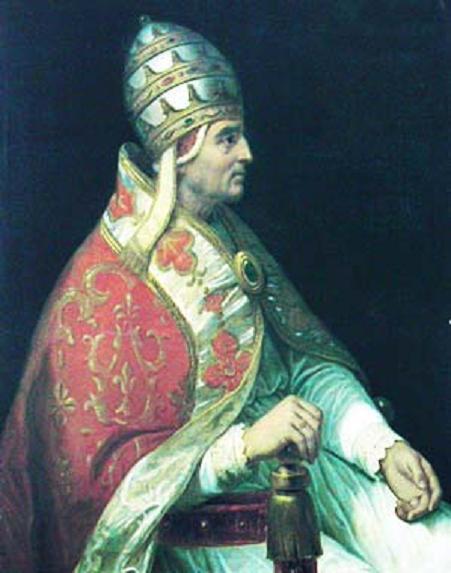
Pope Urban V (Guillaume Grimoard), Avignon pope and reformer
Pope Urban V (c.1310–1370) led the Catholic Church 1362–1370 from Avignon. A Benedictine reformer, he sought to restore papal presence in Rome, supported clerical discipline, learning, and rebuilding projects.
Overview
Pope Urban V (born Guillaume Grimoard, c.1310–d. 19 December 1370) served as head of the Roman Catholic Church from 1362 until his death in 1370. A French Benedictine prior to his election, he was one of the Avignon popes and is commonly remembered for efforts to reform the clergy, encourage learning, and attempt a restoration of the papal court to Rome.
Image gallery
5 Images



Background and election
Grimoard came from southern France and entered the Benedictine order, where he developed a reputation as an able administrator and canonist. After serving in various church offices he was elected pope in 1362. Contemporary observers noted his scholarly outlook and ascetic personal habits, traits that influenced his priorities as pontiff.
Policies, reforms and patronage
Urban V emphasized moral and institutional reform of the clergy, enforcing discipline and seeking to improve episcopal administration. He promoted education and the study of canon law, provided patronage for building and repair of churches and monasteries, and created cardinals to strengthen the curia. His measures combined pastoral concern with administrative centralization.
Return to Rome and later years
Facing pressure from Italian authorities and cultural figures — notably the humanist Petrarch, who urged the pope to return to the city — Urban V made a notable effort to relocate the papal court to Rome in 1367. He undertook reconstruction work there and attempted to reassert papal authority, but persistent unrest, political instability, and security concerns led him to withdraw back to Avignon before his death in 1370.
Significance and distinctions
Urban V was the sixth of the seven popes who lived at Avignon during the period commonly called the Avignon Papacy. His pontificate is significant for the balance it tried to strike between spiritual reform and practical governance, and for the temporary revival of the idea that the pope should reside in Rome. Historians regard him as a conscientious but ultimately constrained reformer whose achievements were shaped by the complex politics of 14th-century Europe.
Further reading
Questions and answers
Q: Who was Pope Urban V?
A: Pope Urban V was a French cleric of the Roman Catholic Church who served as the 201st Pope from 1362 until his death in 1370.
Q: What was his birth name?
A: His birth name was Guillaume Grimoard.
Q: How many popes lived in Avignon in France during that period?
A: There were seven popes who lived in Avignon in France during that period.
Q: When did Pope Urban V die?
A: Pope Urban V died on December 19, 1370.
Q: What was Pope Urban V's papacy known for?
A: Pope Urban V's papacy was known for its efforts to reform the Church and reunite the Eastern and Western Churches.
Q: Was Pope Urban V the only French pope?
A: No, Pope Urban V was not the only French pope, but he was one of the seven popes who lived in Avignon in France.
Q: What was Pope Urban V's Latin name?
A: Pope Urban V's Latin name was Urbanus Quintus.
Author
AlegsaOnline.com Pope Urban V (Guillaume Grimoard), Avignon pope and reformer Leandro Alegsa
URL: https://en.alegsaonline.com/art/128941