
Pope Sixtus V (Felice Peretti di Montalto)
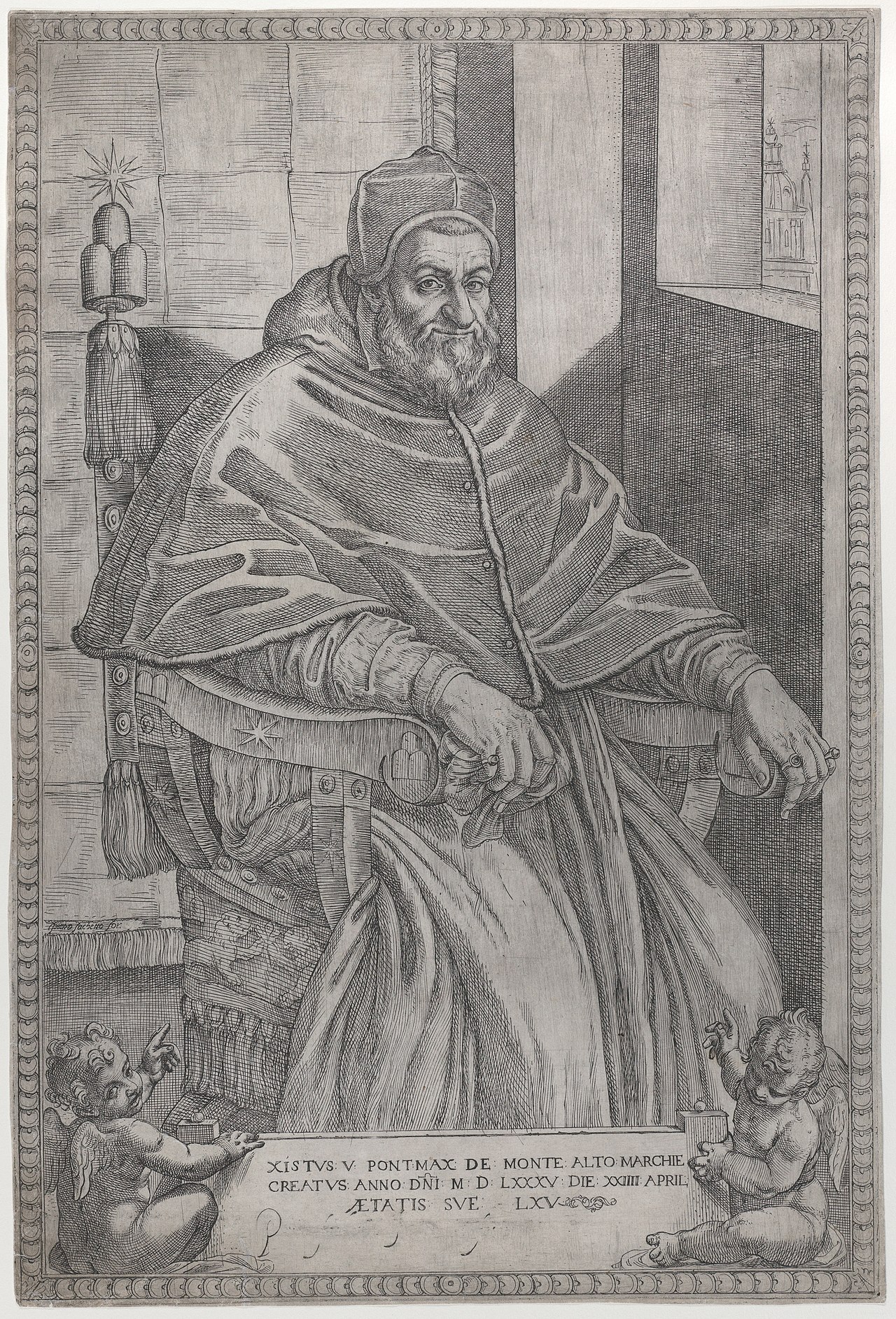
Pope Sixtus V (1520–1590), born Felice Peretti, led the Roman Catholic Church from 1585 to 1590. He is known for reorganizing the Curia, ambitious public works in Rome, strict governance, and fiscal reforms.
Overview
Felice Peretti di Montalto (13 December 1520 – 27 August 1590) served as Pope Sixtus V from 1585 until his death. Elected as the 228th pope, he came from modest origins and rose through the Franciscan order and the papal bureaucracy. His brief pontificate is remembered for an energetic program of administrative reform, large-scale engineering and building works in Rome, and a stern approach to law and order within the Papal States. He led the Roman Catholic Church during a pivotal phase of the Counter-Reformation and sought to strengthen central authority.
Image gallery
7 Images



Administrative and ecclesiastical reforms
Sixtus V reorganized the papal government to increase efficiency and control. By issuing a major constitution he fixed the Roman Curia into permanent departments, streamlining decision-making and judicial procedures. He tightened financial administration of the Papal States, improved revenue collection, and appointed trusted officials across the bureaucracy. His measures reinforced ecclesiastical discipline and the mechanisms of orthodoxy, including stronger enforcement by the Roman Inquisition, making his reign notable for institutional consolidation.
Urban planning, engineering and patronage
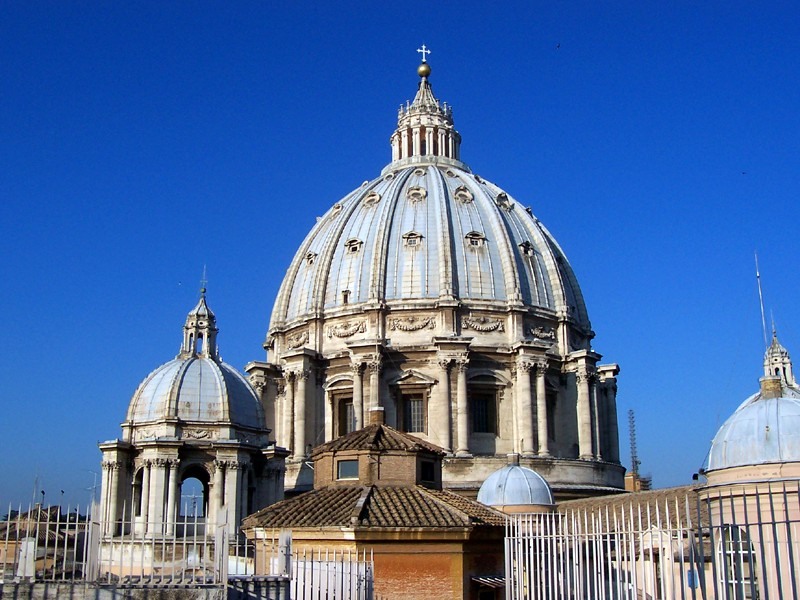
Ambitious public works shaped Sixtus V’s visible legacy. He commissioned aqueduct repairs (often associated with the name Acqua Felice), reordered streets and sightlines in Rome, and sponsored the re-erection of ancient obelisks to new urban axes. The transport of the Vatican obelisk to St. Peter’s in 1586 under Domenico Fontana became a celebrated engineering feat of his pontificate. These projects were intended to project papal authority, improve communications, and revive Rome’s classical monuments.
Policy, reputation and legacy
Sixtus V combined administrative skill with a severe temper and uncompromising measures against banditry and corruption; his use of capital punishment and summary justice made him a controversial figure. He also advanced the papacy’s international standing by strengthening institutions rather than pursuing prolonged military campaigns. Historians view him as a strong, if autocratic, reformer whose short reign left a lasting imprint on the city of Rome and on the structure of papal government.
Major initiatives
- Reorganization of the Curia into permanent congregations (institutional reform)
- Financial and administrative reforms across the Papal States
- Large-scale urban and engineering projects in Rome, including aqueducts and obelisks
- Stricter enforcement of orthodoxy and public order
For concise biographical summaries and documentary overviews, see a short Papal profile or a fuller biography.
Questions and answers
Q: Who was Pope Sixtus V?
A: Pope Sixtus V was an Italian priest of the Roman Catholic Church and the 228th Pope from 1585 to 1590.
Q: What was Pope Sixtus V's birth name?
A: Pope Sixtus V's birth name was Felice Peretti di Montalto.
Q: What was Pope Sixtus V's Latin name?
A: Pope Sixtus V's Latin name was Sixtus Quintus.
Q: When was Pope Sixtus V born and when did he die?
A: Pope Sixtus V was born on 13 December 1520 and he died on 27 August 1590.
Q: What was Pope Sixtus V's role in the Roman Catholic Church?
A: Pope Sixtus V was a priest of the Roman Catholic Church and served as the 228th Pope from 1585 to 1590.
Q: How long did Pope Sixtus V serve as Pope?
A: Pope Sixtus V served as Pope for five years, from 1585 to 1590.
Q: What is the significance of Pope Sixtus V in the history of the Roman Catholic Church?
A: Pope Sixtus V is significant in the history of the Roman Catholic Church as a reformer who worked to strengthen the Church's authority and discipline. He also oversaw the completion of several major building projects in Rome, including the rebuilding of the Vatican.
Author
AlegsaOnline.com Pope Sixtus V (Felice Peretti di Montalto) Leandro Alegsa
URL: https://en.alegsaonline.com/art/128936