
Pope Pontian: Bishop of Rome (c. 230–235)
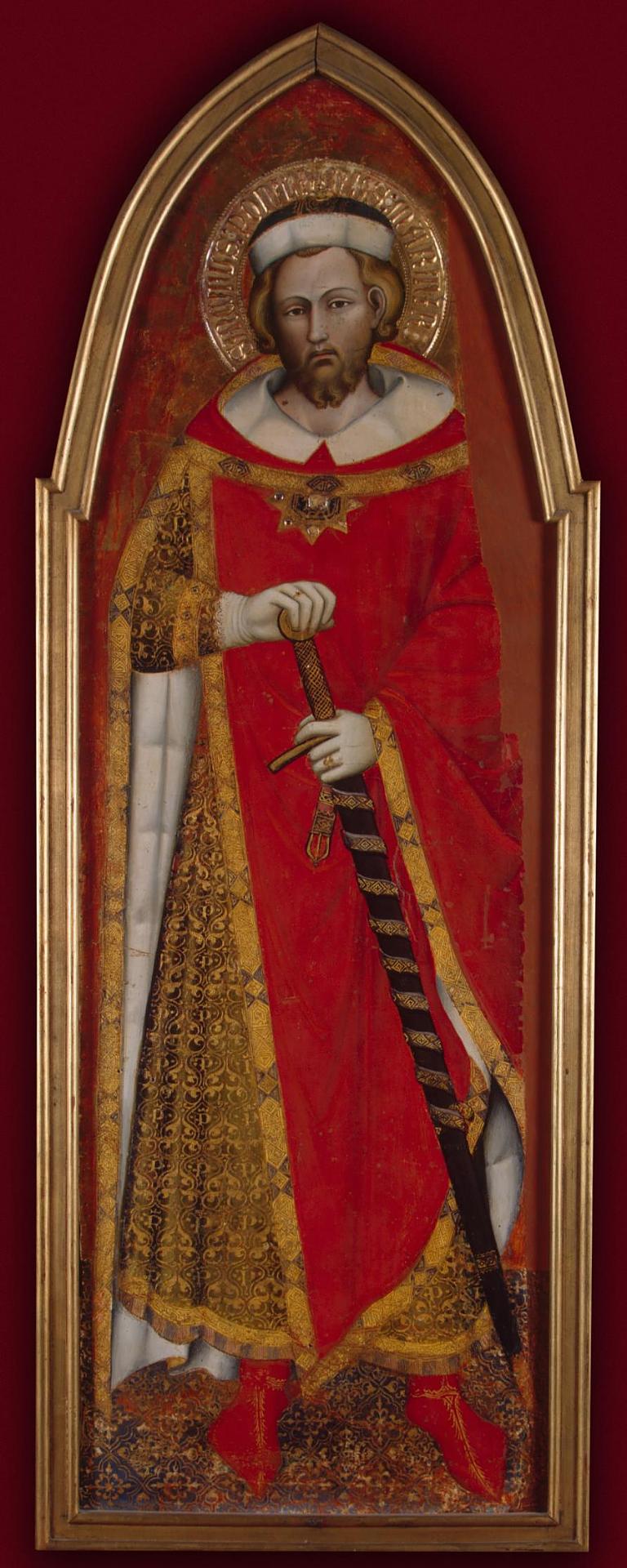
Pope Pontian led the Church c.230–235, was exiled to Sardinia under Maximinus Thrax, became the first pope to resign, and is venerated as a saint and martyr; his feast day is August 13.
Overview
Pope Pontian (Latin: Pontianus) served as Bishop of Rome for a brief but historically significant period in the early third century, approximately 230–235 CE. His pontificate fell during a transition between the relatively tolerant reign of Severus Alexander and the harsher rule of the soldier-emperor Maximinus Thrax. The known facts about Pontian are limited but include his exile and death, his resignation from the episcopal office, and his later veneration as a saint.
Image gallery
5 Images



Historical circumstances and exile
Christian communities in the Roman Empire experienced varying degrees of tolerance depending on the emperor and local officials. When Maximinus Thrax rose to power in 235, his policy toward Christians was less conciliatory than that of his predecessor. Pontian and the presbyter Hippolytus were arrested and sent in chains to the imperial mines on the island of Sardinia. Conditions in those mines were brutal; both men died in exile. Because their deaths were the direct result of imperial punishment for their ecclesial positions and leadership, they have traditionally been regarded as martyrs.
Resignation and reconciliation
While in Sardinia Pontian took the extraordinary step of resigning the bishopric so that the Roman Christian community would not be left without a canonical leader. This act is the first securely recorded resignation of a Bishop of Rome and is often noted in histories of the papacy for its canonical and practical implications. Another notable detail of this period is Pontian's connection with Hippolytus. Hippolytus had been a leading antagonist of several Roman bishops and is often described as having been an opponent or rival; the accounts suggest that in exile the two were reconciled, and both are commemorated together in the Roman martyrology.
Burial, veneration, and feast day
The bodies of Pontian and Hippolytus were later returned to Rome and interred in the Catacombs of Callixtus on the Appian Way, a major burial and devotional site for early Christians. Pontian is recognized as a saint in the Roman Catholic Church, and his memory is kept with a joint feast day on August 13. His reputation as a martyr, while rooted in the circumstances of his death in penal exile, is treated in ecclesiastical sources with the customary reverence accorded to those who suffered under imperial punishment.
Controversies and historical notes
Some later sources associate the papacy of Pontian with disciplinary actions or statements concerning theological writings of the time, including those linked to the figure of Origen. The historical record for these specific episcopal decisions is not robust, and modern scholars urge caution: much of the controversy around Origen developed in subsequent decades and was revisited at various synods. When discussing Pontian’s role, most historians emphasize the better-attested facts of his exile, resignation, and death rather than disputed attributions.
Legacy and significance
Pontian’s principal historical importance derives from three items: his being a Rome bishop in a turbulent imperial moment; his recorded resignation, which established an early precedent for voluntary retirement from the Roman see; and his martyrdom in Sardinia, which linked his memory to the early martyrology of the Church. His life illustrates the vulnerability of church leaders under changing imperial policies and highlights the early community’s mechanisms for maintaining continuity of leadership.
- Office: Bishop of Rome (Pope)
- Approximate dates: c. 230–235 CE
- Exile and death: deported to Sardinian mines under Emperor Maximinus Thrax
- Notable act: first recorded papal resignation
- Burial: Catacombs of Callixtus, Appian Way, Rome
- Feast day: August 13 (shared with Hippolytus)
Further reading and sources
- List of Bishops of Rome and related entries
- Title and role: Bishop of Rome in the early Church
- Sardinian mines and penal exile in the Roman Empire
- Works and controversies associated with Origen
- Background on early Christian theology and theologians
- Accounts of martyrs and martyria in early Christianity
- Liturgical commemoration and sainthood in the Roman calendar
Questions and answers
Q: Who was Pope Pontian?
A: Pope Pontian, also known as Pontianus, was the eighteenth Pope and the Bishop of Rome of the Catholic Church who served from 230-235 CE.
Q: During whose reign did Pontian serve as Pope?
A: Pontian served as Pope mostly during the reign of Roman Emperor Severus.
Q: What happened to Pontian during the reign of Maximinus Thrax?
A: During the reign of Maximinus Thrax, Pontian was arrested and sent to the mines in Sardinia where he died soon after.
Q: What are catacombs?
A: Catacombs were underground chambers where many Christians lived, died, and were buried.
Q: What did Pontian do to Origen?
A: Pontian condemned Origen, a theologian of the time, and forbade his teachings.
Q: Is Pontian considered a martyr?
A: Yes, Pontian is considered a martyr of the Catholic Church.
Q: When is Pontian's feast day celebrated?
A: Pontian's feast day is celebrated on August 13 along with a fellow martyr Hippolytus.
Author
AlegsaOnline.com Pope Pontian: Bishop of Rome (c. 230–235) Leandro Alegsa
URL: https://en.alegsaonline.com/art/128932