
Pope Pius X — reformer, pastor, and opponent of modernism
Pope Pius X (Giuseppe Melchiorre Sarto, 1835–1914) led the Catholic Church from 1903 to 1914, promoting liturgical renewal, catechesis and frequent Communion while opposing modernist trends in theology.
Pope Pius X (born Giuseppe Melchiorre Sarto, 2 June 1835 – 20 August 1914) served as the 258th pontiff of the Roman Catholic Church from 1903 until his death. He is remembered for pastoral reforms, a vigorous defence of traditional doctrine, and later canonization as a saint. His papal motto was Instaurare omnia in Christo — to restore all things in Christ. He is often referred to in Italian as Pio X.
Image gallery
10 Images



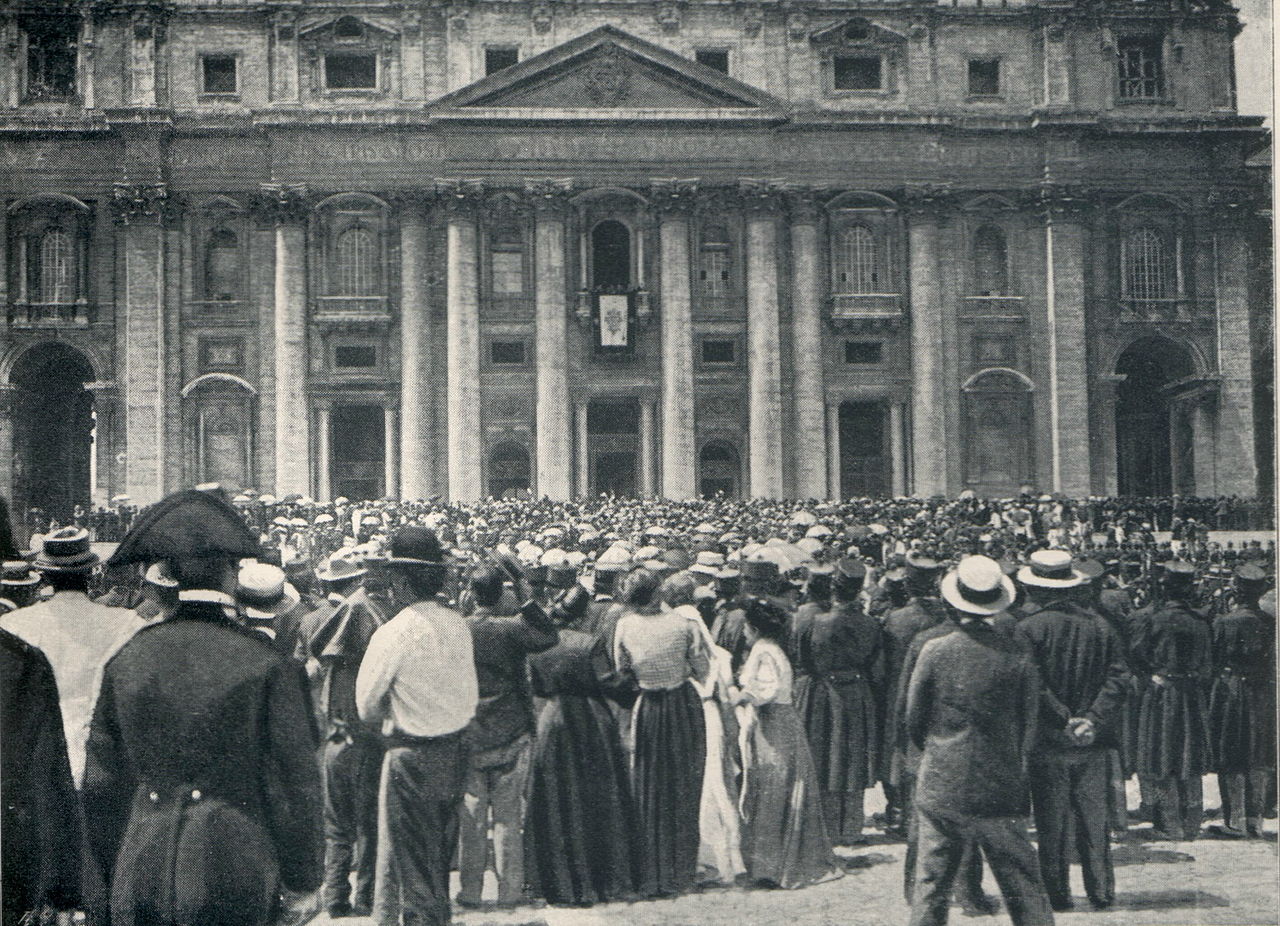

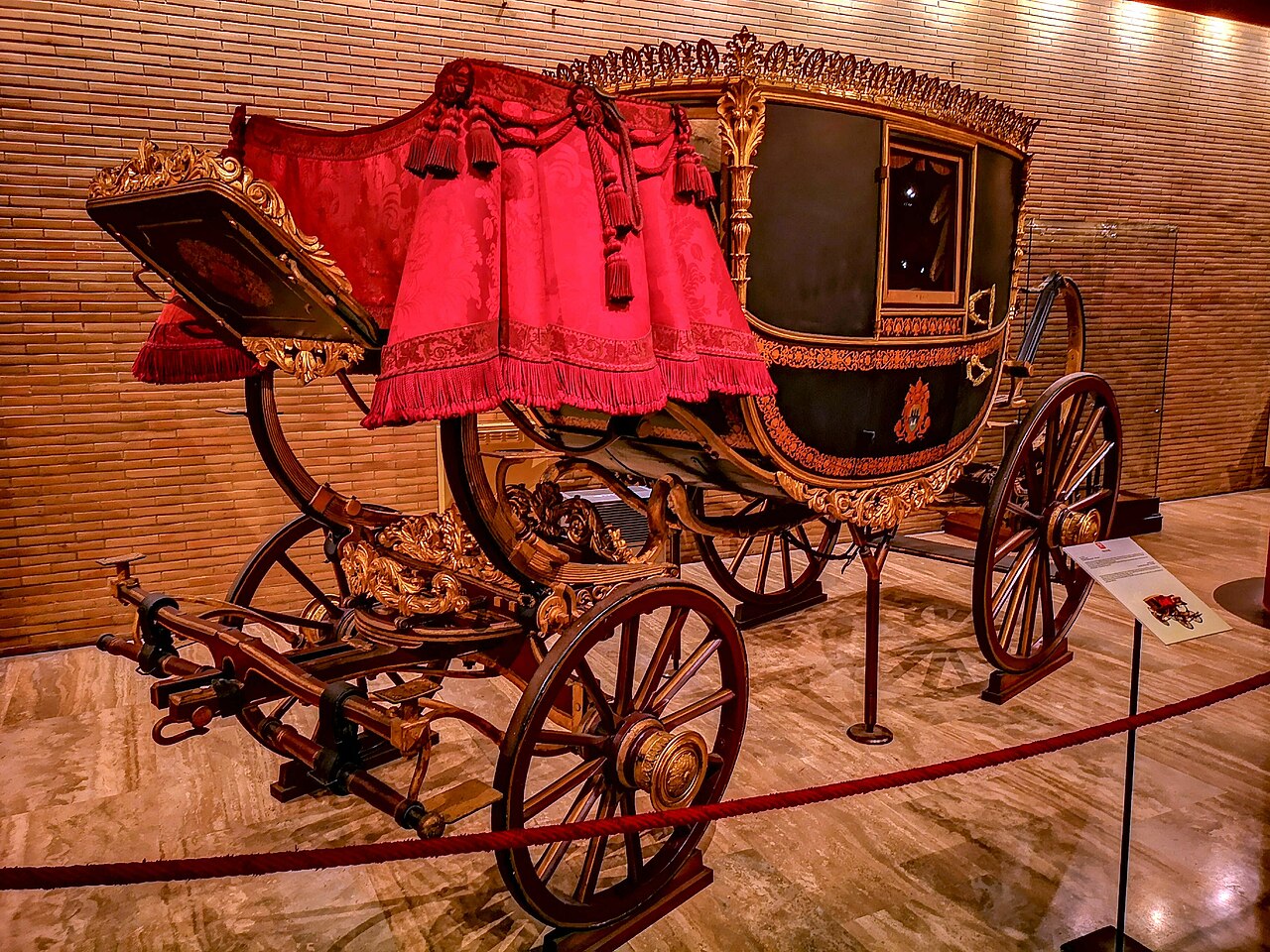


Early life and election
Born in the Venetian countryside, Sarto was ordained a priest and rose through pastoral and episcopal service, eventually becoming Patriarch of Venice. He was elected pope in 1903 and immediately set priorities that emphasized pastoral care, catechesis and clerical formation. As an Italian priest and bishop he brought a practical, pastoral sensibility to the papacy; contemporary descriptions often noted his simple manner and concern for ordinary Catholics (Italian priest, as described in biographical sources).
Major reforms and initiatives
Pius X undertook a number of reforms intended to strengthen devotional life and clerical standards. Key initiatives included:
- Promoting frequent and early reception of Holy Communion, and issuing the 1910 decree Quam singulari on the age of First Communion.
- Reforming seminary education and encouraging stricter theological and moral formation of priests.
- Restoring emphasis on Gregorian chant and sacred music with regulations to foster liturgical solemnity, notably in documents such as Tra le sollecitudini.
- Commissioning a uniform catechism, later known as the Catechism of Pius X, to improve religious instruction.
These measures reflected his conviction that a well-formed clergy and laity were essential to the Church's mission. His reforms aimed at both parish life and the worship of the Church as a whole (258th Pope).
Opposition to modernism and doctrinal actions
Pius X is especially known for confronting currents of modernist thought that sought to reinterpret core doctrines in light of contemporary intellectual trends. In 1907 he issued measures condemning certain modernist positions and called for theological clarity and fidelity. He required an anti-modernist oath for clergy, and promulgated disciplinary and doctrinal statements intended to safeguard traditional teaching and scriptural interpretation. These actions defined much of his later papacy and remain a significant part of his historical reputation (papal measures).
He died in 1914 on the eve of the First World War. Remembered as a pastoral reformer and a vigorous defender of orthodoxy, he was beatified and later canonized, recognized by the Church as a saint (canonized saint). His legacy includes liturgical and pastoral changes that shaped Catholic practice in the 20th century and beyond.
Questions and answers
Q: Who was Pope Pius X?
A: Pope Pius X was an Italian priest of the Roman Catholic Church and the 258th Pope from 1903 to 1914.
Q: What was Pope Pius X's birth name?
A: Pope Pius X's birth name was Giuseppe Melchiorre Sarto.
Q: What is Pope Pius X well-known for?
A: Pope Pius X is well known for being strongly against members of the Catholic Church trying to make it follow modern ideas, a movement called modernism.
Q: When did Pope Pius X become a saint of the Catholic Church?
A: Pope Pius X became a saint of the Catholic Church, after being canonized, on May 29, 1954.
Q: What was the movement that Pope Pius X was strongly against?
A: Pope Pius X was strongly against the movement called modernism, which aimed to make the Catholic Church follow modern ideas.
Q: What languages did Pope Pius X speak?
A: Pope Pius X spoke Italian and Latin fluently but had a basic knowledge of Greek and German.
Q: When did Pope Pius X pass away?
A: Pope Pius X passed away on August 20, 1914.
Author
AlegsaOnline.com Pope Pius X — reformer, pastor, and opponent of modernism Leandro Alegsa
URL: https://en.alegsaonline.com/art/128929