
Pope Pius VIII (Francesco Saverio Castiglioni)
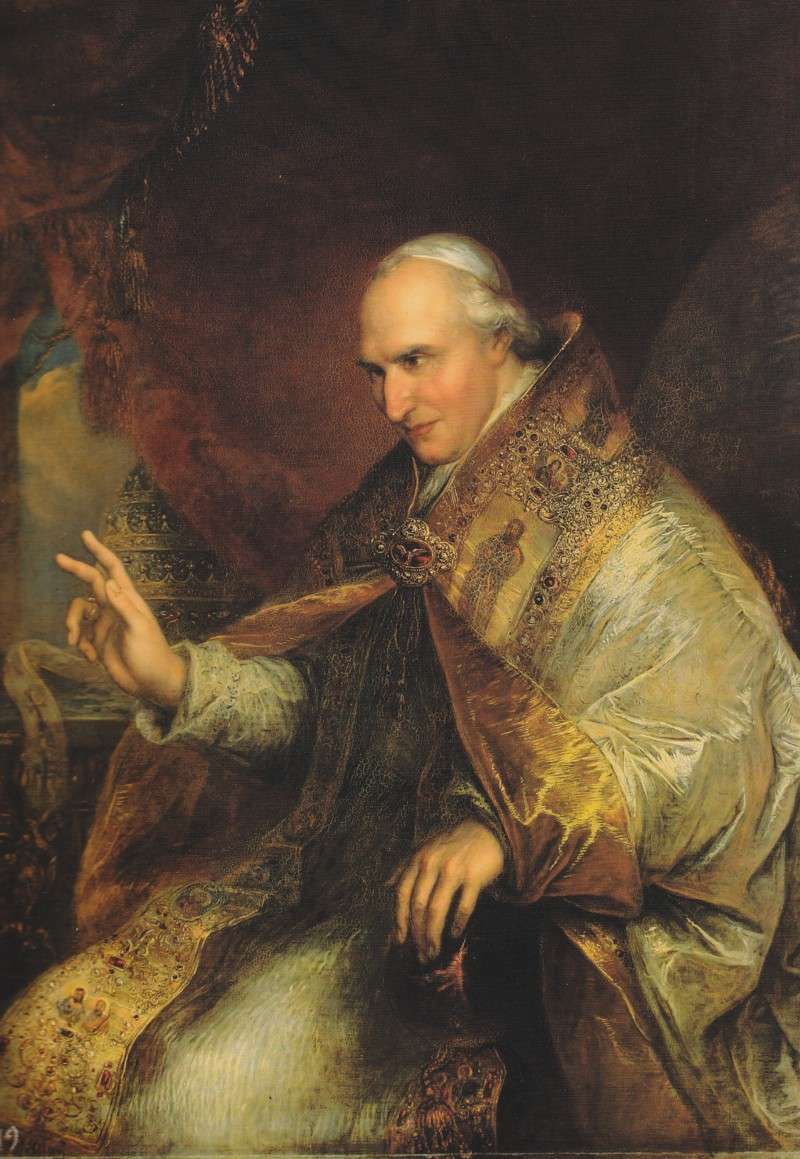
Pope Pius VIII (Francesco Saverio Castiglioni, 1761–1830) led the Catholic Church from 1829 to 1830. His short, cautious pontificate confronted post‑Napoleonic restoration challenges and rising liberal movements.
Pope Pius VIII (born Francesco Saverio Castiglioni; 20 November 1761 – 30 November 1830) was an Italian cleric who served as the head of the Catholic Church from 1829 until his death in 1830. Elected late in life, his reign was brief but occurred during a turbulent period in Europe as states and the Church adjusted to the post‑Napoleonic order. He is often described as a moderate conservative who sought to uphold traditional doctrine while avoiding extreme measures.
Image gallery
7 Images


Early life and clerical career
Castiglioni was born in the Papal States and trained for the priesthood. Over decades he held pastoral and administrative responsibilities within the structures of the Church, gaining a reputation for learning, legal competence, and a temperate temperament. These qualities made him a respected candidate when the cardinals gathered to choose a successor in 1829.
Pontificate (1829–1830)
His election made him the 254th pope. As pontiff he continued to defend the Church's doctrinal positions and the authority of the papacy, while attempting to respond prudently to political unrest and the spread of liberal and secret revolutionary movements in Italy and elsewhere. His government of the Church was necessarily limited by the short duration of his pontificate, but he maintained continuity with the policies of the Holy See during the period of European restoration.
Policies, priorities, and notable actions
- Maintained a conservative theological stance, emphasizing the Church's teaching authority and pastoral care.
- Sought to counteract the influence of anti‑clerical and revolutionary groups that had emerged after the Napoleonic era.
- Attempted measured diplomatic dealings with Catholic monarchs and states while defending ecclesiastical rights.
Contemporaries often noted his mild personal manner; he preferred legal and pastoral remedies to dramatic public measures. That approach reflected Castiglioni's broader aim of preserving church order without provoking unnecessary conflict.
Legacy and significance
Pius VIII's short reign limited his ability to enact lasting institutional reforms, but he is remembered as a transitional pope between more forceful conservative and later reactionary phases in the 19th‑century papacy. He died after a brief illness in November 1830 and was succeeded by the next pontiff. His life and papacy illustrate the challenges the Catholic Church faced as it navigated political change, rising nationalism, and the modernizing pressures of the 19th century.
For general background on the office and history of the papacy, see the Roman Catholic Church and articles on the role of the pontiff.
Questions and answers
Q: Who was Pope Pius VIII?
A: Pope Pius VIII, born Francesco Saverio Castiglioni, was an Italian priest of the Roman Catholic Church who served as the 254th Pope from 1829-1830.
Q: When was Pope Pius VIII born?
A: Pope Pius VIII was born on November 20, 1761.
Q: When did Pope Pius VIII serve as Pope?
A: Pope Pius VIII served as Pope from 1829-1830.
Q: What was Pope Pius VIII's birth name?
A: Pope Pius VIII's birth name was Francesco Saverio Castiglioni.
Q: What was Pope Pius VIII's role in the Roman Catholic Church?
A: Pope Pius VIII was a priest of the Roman Catholic Church and served as the 254th Pope from 1829-1830.
Q: When did Pope Pius VIII die?
A: Pope Pius VIII died on November 30, 1830.
Q: What was Pope Pius VIII's Latin name?
A: Pope Pius VIII's Latin name was Pius Octavus.
Author
AlegsaOnline.com Pope Pius VIII (Francesco Saverio Castiglioni) Leandro Alegsa
URL: https://en.alegsaonline.com/art/128928