
Pope Pius VI (Giovanni Angelo Braschi) — Pope from 1775 to 1799
An overview of Pope Pius VI (Giovanni Angelo Braschi), his life, papacy from 1775–1799, conflicts with Enlightenment and revolutionary governments, reforms, exile and legacy.
Pope Pius VI (born Giovanni Angelo Braschi, 25 December 1717 – 29 August 1799) led the Roman Catholic Church from 1775 until his death in 1799. Elected as the 251st pope, his long pontificate fell at a fraught moment in European history: the late Enlightenment and the outbreak of the French Revolution tested traditional papal authority and the political integrity of the Papal States.
Image gallery
8 Images

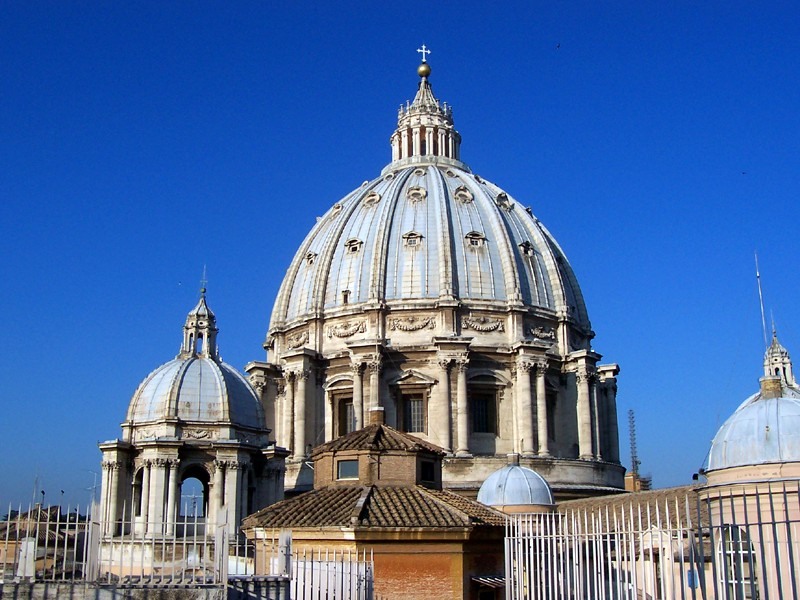


Early life and rise
Born in Cesena, in what is now Italy, Braschi entered the clergy and advanced through Roman curial ranks. In 1766 Pope Clement XIII appointed him treasurer of the Roman Church, a senior administrative role that reflected trust in his management. He became pope in 1775 and brought to the office a conservative outlook shaped by concern for doctrine and the institutions of the church.
Papacy and principal challenges
Pius VI faced intensive pressure from Enlightenment ideas and state-led reforms that sought to reduce clerical privileges and impose secular control over church property and appointments. He resisted attempts to subordinate the church to civil authorities, condemned certain reforming tendencies in diocesan synods, and rejected measures that required clerical loyalty to revolutionary constitutions.
Events and policies
- Administration: sought to strengthen central governance of the church and the Papal States while promoting charity and public works.
- Doctrine and discipline: acted against movements he viewed as heterodox and issued condemnations of propositions from reformist synods.
- Relations with states: resisted secularizing reforms in several European countries and declined to accept revolutionary legislation affecting the clergy.
As revolutionary France expanded, French forces occupied Rome in 1798, declared a Roman republic, and took the pope into custody. He died in exile in Valence in 1799; his remains were later returned to Rome. His papacy is often remembered for its struggle to defend traditional church authority during a period of sweeping political change.
Legacy and further reading
Pius VI is regarded as a pontiff who sought to conserve ecclesiastical order amid upheaval. Historians note both his administrative efforts in the Papal States and his confrontations with modernizing movements. For a concise biography and a list of major documents from his pontificate see biography resources, contemporary studies at research collections and archival summaries at document repositories.
Questions and answers
Q: Who is Pope Pius VI?
A: Pope Pius VI was an Italian priest of the Roman Catholic Church and the 251st pope from 1775 to 1799.
Q: What was Pope Pius VI's previous position before becoming pope?
A: Pope Clement XIII named him treasurer of the Roman Church in 1766.
Q: What was Pope Pius VI's birth name?
A: Pope Pius VI's birth name was Giovanni Angelo Braschi.
Q: What was the date of Pope Pius VI's birth?
A: Pope Pius VI was born on December 25, 1717.
Q: What was the date of Pope Pius VI's death?
A: Pope Pius VI died on August 29, 1799.
Q: How long was Pope Pius VI pope for?
A: Pope Pius VI was pope for 24 years, from 1775 to 1799.
Q: What is Pope Pius VI's Latin name?
A: Pope Pius VI's Latin name is "Pius Sextus".
Author
AlegsaOnline.com Pope Pius VI (Giovanni Angelo Braschi) — Pope from 1775 to 1799 Leandro Alegsa
URL: https://en.alegsaonline.com/art/128926