
Pope Pius II (Enea Silvio Piccolomini)
Italian Renaissance pope (1458–1464), writer, diplomat and patron who promoted humanism, rebuilt his native Corsignano as Pienza, and called for a crusade against the Ottomans.
Overview
Enea Silvio Piccolomini (18 October 1405 – 14 August 1464) served as Pope Pius II from 19 August 1458 until his death in 1464. Born in the Tuscan village of Corsignano, he rose through church and diplomatic ranks before his election as the 211th pontiff. His papacy followed that of Callixtus III and preceded that of Paul II. For a concise index of pontiffs see the list of popes.
Image gallery
3 Images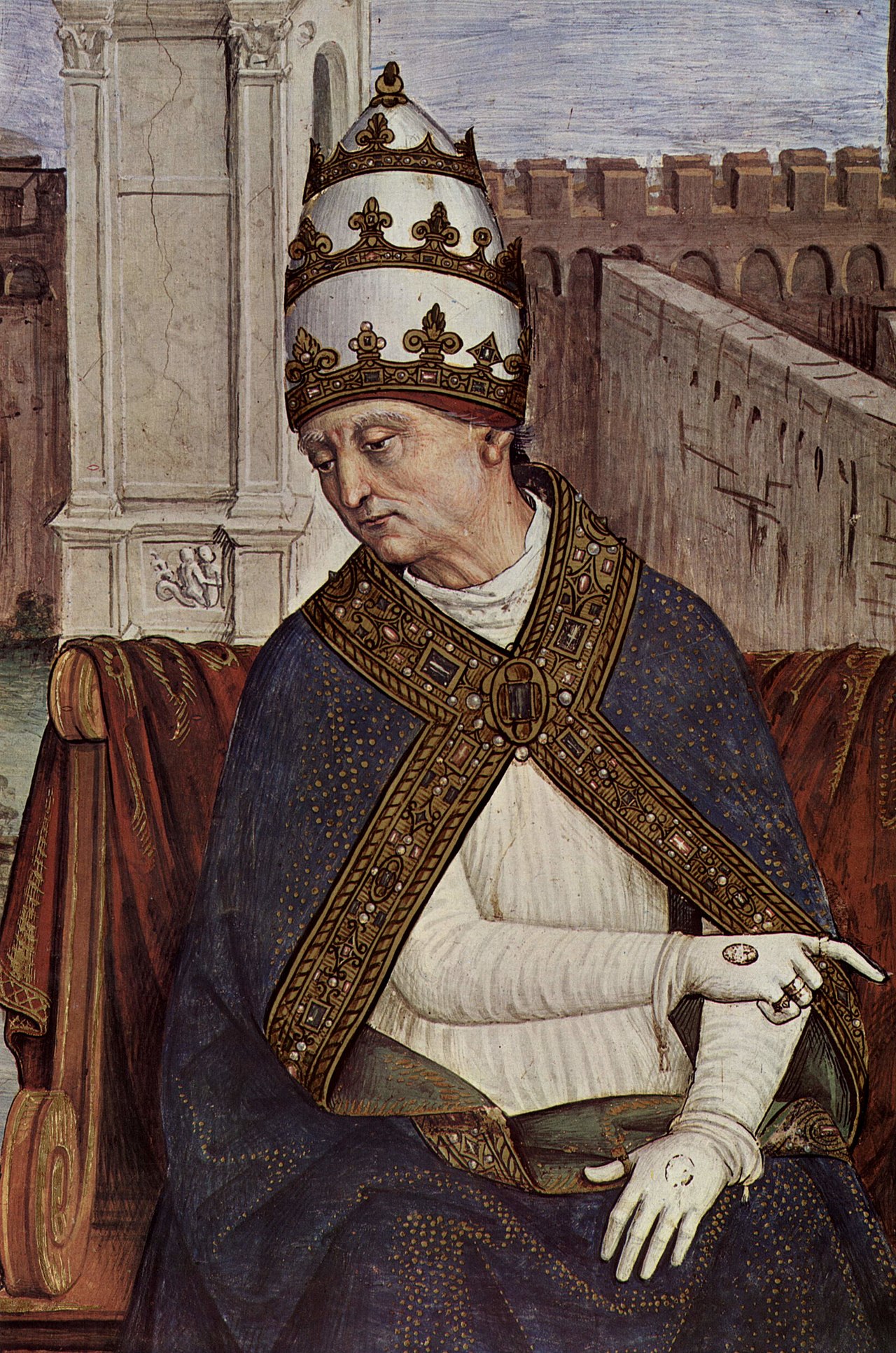


Writings and humanist background
Pius II was notable among Renaissance popes for his literary activity and humanist education. He wrote a substantial autobiographical work, the Commentaries, which offers a firsthand account of his life, clerical career and the politics of his time. His output included letters, orations and poetry, and he maintained relationships with contemporary scholars and artists. For a focused biographical overview, see Enea Silvio Piccolomini.
Political role and the crusade initiative
As pope he faced the expanding power of the Ottoman Empire in southeastern Europe and publicly urged Christian rulers to form a crusading effort. He used diplomatic appeals and church resources to organize a naval expedition; in 1464 he travelled to the Adriatic port of Ancona intending to embark for the East. He fell ill and died there before a major campaign could begin. Contemporary accounts and his own writings are important sources on mid-15th-century church diplomacy; read more about his papal policies at papal reign.
Patronage, Pienza and legacy
Pius II is remembered for his patronage of the arts and for transforming his birthplace Corsignano into the model Renaissance town of Pienza. He commissioned architects and artists to remake the square and civic buildings, embodying humanist principles of urban design. His interest in letters and architecture left a cultural imprint that extended beyond his relatively brief pontificate.
Notable facts
- Born Enea Silvio Piccolomini, he adopted the name Pius II upon election as pope.
- Author of the Commentaries, an uncommon personal narrative by a pope.
- Advocated and attempted to lead a crusade against the Ottomans; died in Ancona in 1464 while preparing the expedition.
- Patron of arts and urban planning; credited with redesigning Corsignano into Pienza.
Pius II remains a figure of interest for students of Renaissance humanism, church history and the cultural politics of 15th-century Italy. His writings provide valuable contemporary perspective on the interplay of intellectual life, diplomacy and papal ambition during a turbulent era.
Questions and answers
Q: Who was Pope Pius II?
A: Pope Pius II was an Italian priest of the Roman Catholic Church who served as the 211th Pope from August 19, 1458 until his death in 1464.
Q: What was Pope Pius II's birth name?
A: Pope Pius II's birth name was Enea Silvio Piccolomini.
Q: When was Pope Pius II born?
A: Pope Pius II was born on October 18, 1405.
Q: When did Pope Pius II die?
A: Pope Pius II died on August 14, 1464.
Q: How long did Pope Pius II serve as Pope?
A: Pope Pius II served as the 211th Pope from August 19, 1458 until his death in 1464.
Q: What was Pope Pius II's papal name?
A: Pope Pius II's papal name was Pius Secundus.
Q: What was Pope Pius II's affiliation with the Roman Catholic Church?
A: Pope Pius II was a priest of the Roman Catholic Church.
Author
AlegsaOnline.com Pope Pius II (Enea Silvio Piccolomini) Leandro Alegsa
URL: https://en.alegsaonline.com/art/128921