
Pope Paul II (Pietro Barbo)
Pope Paul II (Pietro Barbo, 1417–1471) led the Catholic Church from 1464 to 1471. A Venetian noble, his short papacy is remembered for administrative reforms, tensions with humanists, and disputed nepotism.
Pope Paul II (Pietro Barbo; 23 February 1417 – 26 July 1471) was a Venetian-born churchman who served as head of the Roman Catholic Church and the 212th pontiff from 1464 until his death. Before his election he had a long career in Rome as a cardinal and papal official. His pontificate combined efforts to strengthen papal authority with episodes of public controversy and cultural friction.
Image gallery
4 Images

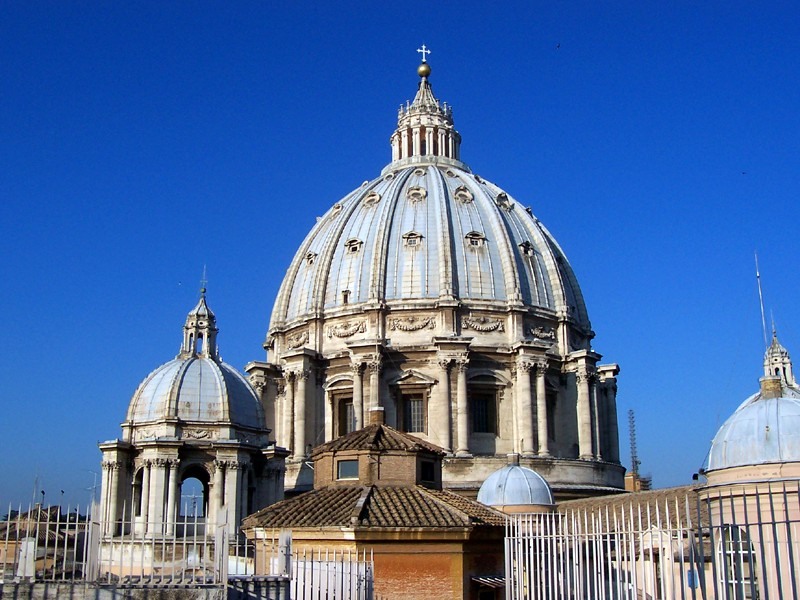

Early life and election
Pietro Barbo came from a patrician family of Venice and established himself in the curial hierarchy in the mid‑15th century. His election in 1464 followed the death of Pope Pius II and reflected a compromise among cardinals who sought a candidate with administrative experience and ties to Italian politics. As pope he retained close connections to his native city while working to secure the temporal and spiritual interests of the see of Rome.
Policies and administration
During his pontificate Paul II paid particular attention to the practical administration of the papal household and finances. Contemporary accounts emphasize his efforts to restore revenues and to manage papal ceremonies and personnel. He continued the diplomatic engagement typical of Renaissance popes, negotiating with Italian states and responding to Ottoman expansion at the edges of Christendom.
Controversies and cultural conflicts
Paul II's relationship with the circle of humanist scholars in Rome was strained. He is remembered for measures that curbed some humanist activities and for a high‑profile clampdown on a group known as the Roman Academy, which led to arrests and trials on charges that alarmed contemporaries. Critics also accused him of favouring relatives and living in greater luxury than expected of the office; supporters argued that some measures were intended to strengthen papal governance.
Legacy
Historians judge Paul II as a transitional figure of the mid‑Renaissance papacy: energetic in organization and court life, but controversial for his handling of intellectual circles and family appointments. His death on 26 July 1471 brought an end to a brief but eventful pontificate and was followed by the election of his successor. For further context on the institution he led, see Roman Catholic Church, details of the papacy, or a modern biographical survey.
- Born: 23 February 1417 (Venice)
- Pontificate: 1464–1471
- Died: 26 July 1471
Questions and answers
Q: Who was Pope Paul II?
A: Pope Paul II was an Italian priest of the Roman Catholic Church who served as the 212th Pope from 1464 until his death in 1471.
Q: What was his birth name?
A: Pope Paul II's birth name was Pietro Barbo.
Q: When was he born?
A: Pope Paul II was born on February 23, 1417.
Q: When did he become Pope?
A: Pope Paul II became Pope in the year 1464.
Q: How long did he serve as Pope?
A: Pope Paul II served as the 212th Pope from 1464 until his death in 1471.
Q: What was his official title?
A: Pope Paul II's official title was "Bishop of Rome" and "Vicar of Christ."
Q: What is his legacy in the Roman Catholic Church?
A: Pope Paul II is remembered for his efforts to strengthen the authority of the papacy and improve the condition of the clergy. He also discouraged simony and nepotism and encouraged learning and scholarship among the clergy.
Author
AlegsaOnline.com Pope Paul II (Pietro Barbo) Leandro Alegsa
URL: https://en.alegsaonline.com/art/128915