
Pope Paul I (c. 700–767)
Pope Paul I led the Roman Church from 757 to 767. Brother of Stephen II, he upheld papal independence against Lombard pressure, maintained ties with the Frankish rulers, and governed Rome’s ecclesiastical affairs.
Overview
Pope Paul I (Latin: Paulus Primus; c. 700 – 28 June 767) was a Roman cleric elected bishop of Rome on 29 May 757. He is traditionally numbered the 94th pontiff and succeeded his brother, Pope Stephen II. His pontificate took place during a period when the papacy acted as both a spiritual authority and a temporal power in central Italy.
Image gallery
3 Images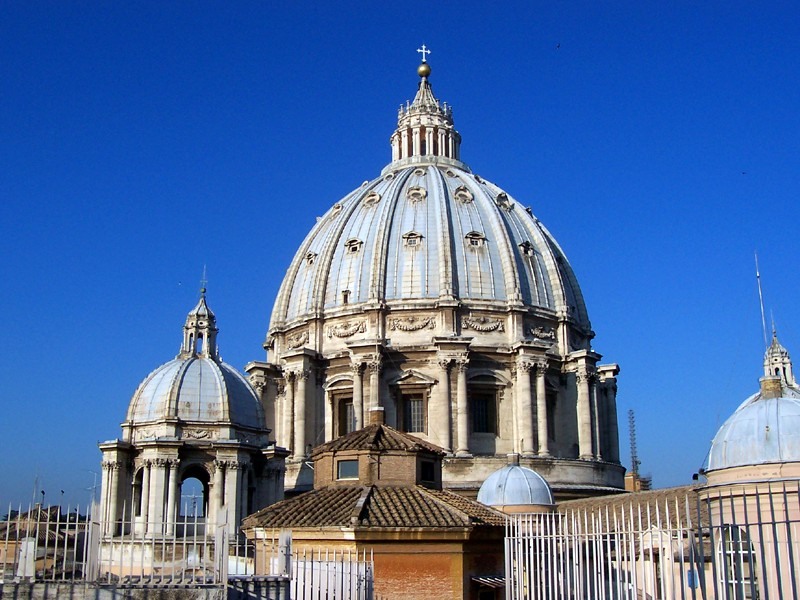


Background and election
Paul was born in Rome about the beginning of the eighth century and served in the local clergy before his election. Contemporary accounts note his Roman origin and family tie to his predecessor. His election reflected a desire among Roman clergy and laity for continuity in policy and protection at a time of political uncertainty.
Relations with the Lombards and the Franks
Throughout his pontificate Paul I sought to defend the patrimony and privileges of the Roman Church against Lombard expansion. He continued the diplomatic orientation established under Stephen II, maintaining and strengthening ties with the Frankish rulers who had earlier intervened on the pope’s behalf. Paul negotiated, protested Lombard claims, and appealed for support while balancing the competing influence of local rulers and the remnants of Byzantine authority in Italy.
Administration and church affairs
As pope, Paul I administered charitable distributions, supported monasteries and clergy, and oversaw liturgical life in Rome. He worked to preserve church property and legal rights, intervening in disputes and issuing directives consistent with early medieval papal practice. His letters and actions sought to protect ecclesiastical interests and to sustain the operations of the Roman See.
Legacy
Paul I is remembered for reinforcing the dual role of the bishop of Rome in spiritual leadership and temporal administration during a turbulent era. He maintained the alliances and positions that helped shape the papacy’s increasing independence from regional powers. He died on 28 June 767 and was interred in the customary burial places of Roman pontiffs.
Notable facts
- Originally a Roman priest before his election to the papacy.
- Listed as the 94th pope in traditional catalogues of pontiffs.
- Held office from 29 May 757 to 28 June 767, navigating relations with Lombards and Franks.
- Brother and successor of Pope Stephen II; continued many of his predecessor’s policies.
Paul I’s pontificate exemplifies how early medieval popes combined pastoral care with active diplomacy and territorial defense. His efforts helped preserve the institutional stability of the Roman Church in a decade marked by regional contestation and the shifting balance of power in Italy.
Questions and answers
Q: Who was Pope Paul I?
A: Pope Paul I was an Italian priest of the Roman Catholic Church.
Q: What was Pope Paul I's tenure as the Pope?
A: Pope Paul I served as the 94th Pope from May 29, 757, to June 28, 767.
Q: What was the birth name of Pope Paul I?
A: The birth name of Pope Paul I is not mentioned in the given text.
Q: When did Pope Paul I die?
A: Pope Paul I died on June 28, 767.
Q: What is Pope Paul I's Latin name?
A: Pope Paul I's Latin name is Paulus Primus.
Q: What is the significance of Pope Paul I in the history of the Catholic Church?
A: The given text does not provide any information on the significance of Pope Paul I in the history of the Catholic Church.
Q: How many years did Pope Paul I serve as the Pope?
A: Pope Paul I served as the Pope for ten years.
Author
AlegsaOnline.com Pope Paul I (c. 700–767) Leandro Alegsa
URL: https://en.alegsaonline.com/art/128914