
Pope Leo XII (Annibale della Genga): conservative pope of the Restoration era
Pope from 1823 to 1829, Annibale della Genga (Leo XII) led the Roman Catholic Church through a conservative restoration after the Napoleonic period, emphasizing order, discipline, and clerical reform.
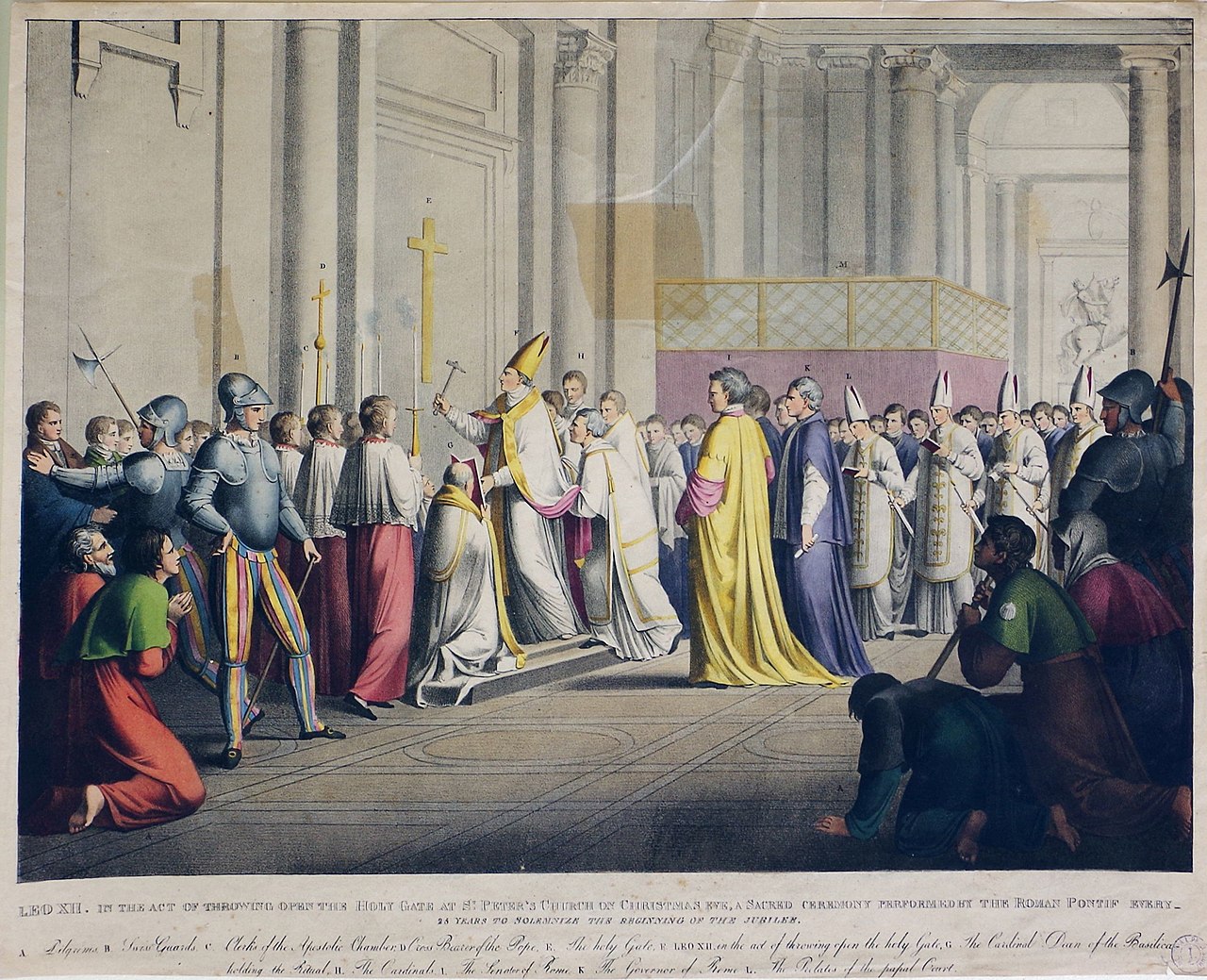
Pope Leo XII (born Annibale Francesco Clemente Melchiore Girolamo Nicola Sermattei della Genga; 22 August 1760–10 February 1829) was the 253rd pontiff, leading the Roman Catholic Church from 1823 until his death in 1829. Elected in the years after the Napoleonic upheavals, his reign is commonly associated with a program of restoration: reasserting papal authority, reestablishing institutions, and resisting the liberal currents of the early 19th century.
Image gallery
10 Images





Early life and ecclesiastical career
Born into a noble family in central Italy, he trained in the legal and ecclesiastical studies typical of clerics of his rank. He served in the Roman Curia and held a variety of curial and diplomatic posts before being elevated to the College of Cardinals by Pope Pius VII. Those administrative and diplomatic experiences shaped his later emphasis on orderly governance and centralized discipline.
Reforms and policies
Leo XII prioritized the moral and institutional recovery of the Papal States and the wider church. His administration sought to strengthen finances, reorganize parts of the Curia, and improve clergy education. He favored the revival and expansion of religious orders and emphasized seminaries and parish discipline as foundations for pastoral care.
- Reinforcement of clerical formation and parish supervision.
- Administrative measures to stabilize papal finances and public order.
- Policies intended to curb secret societies and liberal political movements.
These measures, intended to restore pre-revolutionary norms, often involved tighter censorship and legal restrictions that earned him a reputation as a conservative or reactionary pope.
Legacy and historical significance
Historians view his pontificate as part of the post-Napoleonic restoration of traditional institutions. Supporters credit him with reestablishing ecclesiastical discipline and stabilizing papal government; critics emphasize his resistance to political and social reforms sweeping Europe at the time. Leo XII died in 1829 and was succeeded by Pius VIII, leaving a mixed legacy that influenced successive popes and the church's 19th-century stance toward modernity.
For further study on the office he held and the broader context of his pontificate, consult primary ecclesiastical sources and modern historical treatments that examine the balance he struck between restoration and reform.
Questions and answers
Q: Who was Pope Leo XII?
A: Pope Leo XII was an Italian priest of the Roman Catholic Church who served as the 253rd Pope from 1823 to 1829.
Q: What was Pope Leo XII's original name?
A: Pope Leo XII, born Annibale Francesco Clemente Melchiore Girolamo Nicola Sermattei della Genga, had his original name before he became Pope.
Q: When was Pope Leo XII born and when did he die?
A: Pope Leo XII was born on August 22, 1760, and died on February 10, 1829.
Q: How long did Pope Leo XII serve as Pope?
A: Pope Leo XII served as the Pope for six years, from 1823 to 1829.
Q: What was Pope Leo XII's full name?
A: Pope Leo XII's full name was Annibale Francesco Clemente Melchiore Girolamo Nicola Sermattei della Genga.
Q: What was Pope Leo XII's role in the Roman Catholic Church?
A: Pope Leo XII was a priest in the Roman Catholic Church and served as its 253rd Pope.
Q: What is Pope Leo XII known for?
A: Pope Leo XII is known for his staunch conservative beliefs and for his opposition to liberalism and nationalism.
Author
AlegsaOnline.com Pope Leo XII (Annibale della Genga): conservative pope of the Restoration era Leandro Alegsa
URL: https://en.alegsaonline.com/art/128912