
Pope Leo I (Leo the Great)
Pope Leo I (c. 400–461), called Leo the Great, was bishop of Rome (440–461). He reinforced papal authority, influenced Christology at Chalcedon, negotiated with barbarian leaders, and left important sermons and letters.
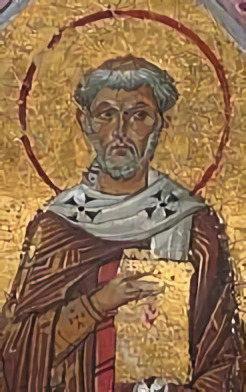
Pope Leo I, commonly known as Leo the Great, served as bishop of Rome from 29 September 440 until his death on 10 November 461. He is remembered for combining pastoral care, doctrinal leadership and public diplomacy during a period of political upheaval in the western Roman world. His actions shaped later ideas about the office of the bishop of Rome and the authority exercised from that see.
Image gallery
10 Images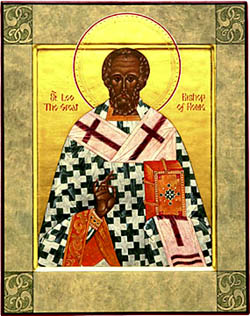


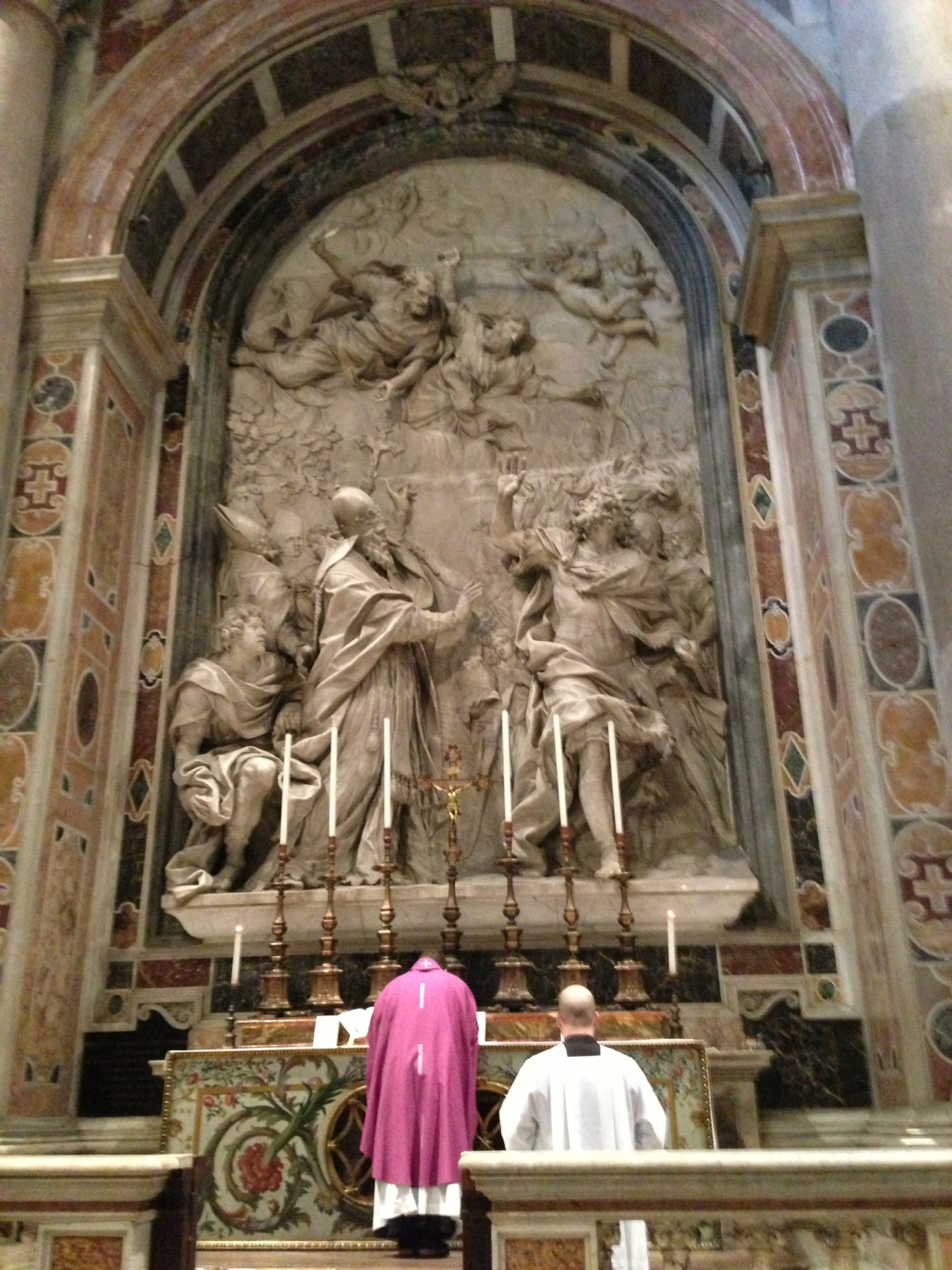


Life and rise to the papacy
Details of Leo's early life are uncertain, but he is traditionally described as a Roman deacon who had served within the curial administration before his election. As pope he worked to systematize aspects of church governance, to exercise authority over clergy and bishops in Italy and beyond, and to organize relief for Rome in times of famine and disorder. Contemporary and later sources portray him as a forceful administrator who sought to protect the church's interests amid shifting political realities.
Theological contributions and the Tome
Leo's most enduring theological contribution is the document known as the "Tome of Leo," a concise statement articulating that Christ is one person in two natures, fully human and fully divine. The Tome was an important influence at the Council of Chalcedon in 451, where its formulation helped shape the council's definition of Christology. Leo also produced numerous sermons and letters that addressed pastoral care, liturgical practice and clerical discipline; these writings were widely read and cited in later centuries.
Diplomacy, public role and notable actions
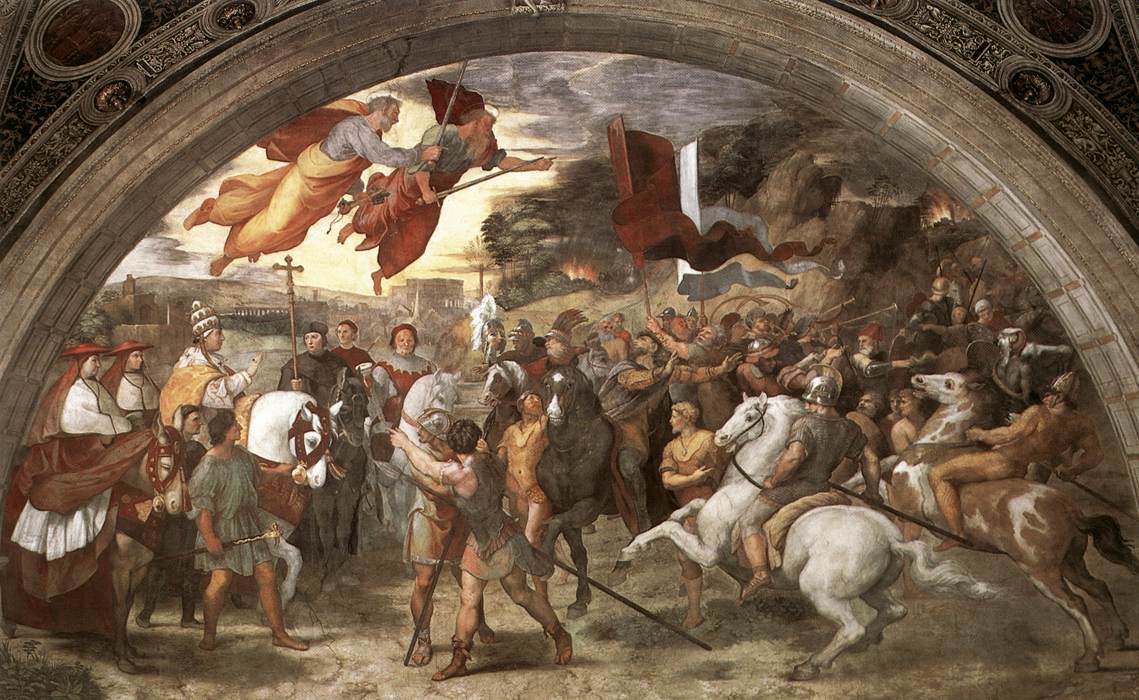
Leo played an active public role in negotiations with invading groups. He is traditionally associated with a meeting with Attila the Hun in 452, after which Attila withdrew from Italy, and with diplomatic efforts concerning Vandal incursions a few years later. While his interventions could not always prevent violence or the sack of cities, they exemplify a papal approach that combined moral authority, negotiation and public presence rather than military power alone.
Administration, legacy and veneration
Leo strengthened the claim of the Roman see to a central place in western Christendom and set precedents for papal involvement in doctrinal disputes and regional church governance. He was later venerated as a saint and recognized as a Doctor of the Church for his theological influence; his feast is observed on 10 November. His sermons and letters continued to be read in the medieval period and contributed to the development of pastoral practice and ecclesiastical law.
For introductions to his life and works see treatments of a priest in late antiquity, histories of the papacy, and specialist studies of the Pope in the fifth century.
Questions and answers
Q: Who was Pope Leo I?
A: Pope Leo I, also known as Leo the Great, was an Italian priest of the Roman Catholic Church and the 45th Pope.
Q: When was Pope Leo I Pope?
A: Pope Leo I was Pope from 29 September 440 to his death on 10 November 461.
Q: What was Pope Leo I's original name?
A: Pope Leo I's original name was Leo Primus.
Q: When was Pope Leo I born?
A: Pope Leo I was born around 400.
Q: How long did Pope Leo I serve as Pope?
A: Pope Leo I served as Pope for 21 years, from 29 September 440 to his death on 10 November 461.
Q: What was Pope Leo I known for?
A: Pope Leo I was known for his strong leadership during a time of political unrest and his efforts to combat heresy and unify the Church.
Q: What is Pope Leo I's legacy?
A: Pope Leo I's legacy includes his theological writings, his contribution to the development of the doctrine of the Incarnation, and his defense of Rome during the barbarian invasions.
Author
AlegsaOnline.com Pope Leo I (Leo the Great) Leandro Alegsa
URL: https://en.alegsaonline.com/art/128905