
Pope Julius III
Pope Julius III (Giovanni Maria Ciocchi del Monte, 1487–1555) led the Catholic Church from 1550 to 1555; his pontificate reopened the Council of Trent, supported Renaissance art and architecture, and was tarnished by nepotism.
Overview
Giovanni Maria Ciocchi del Monte (10 September 1487 – 23 March 1555) took the name Julius III upon his election as pope in February 1550. He served as head of the Roman Catholic Church during a turbulent period of the Reformation and the early Counter‑Reformation, pursuing a mixture of conciliation, administrative action and cultural patronage.
Image gallery
6 Images
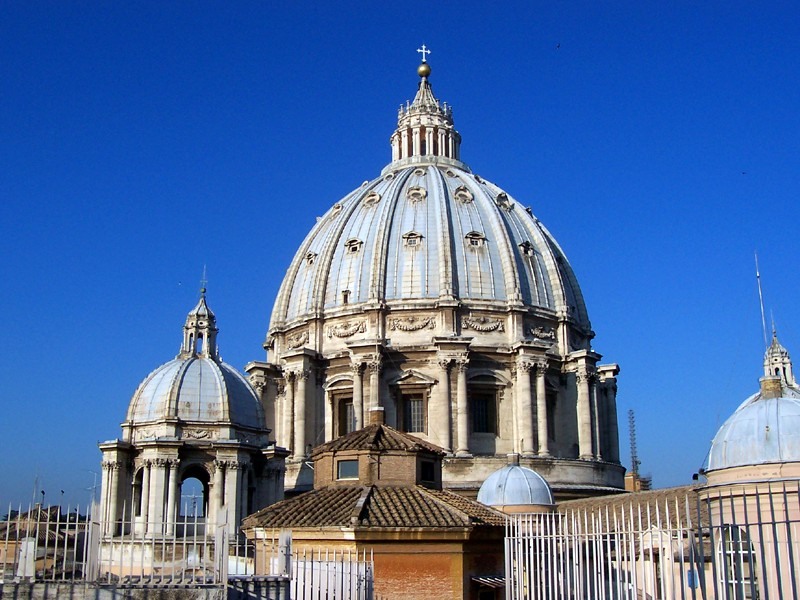


Early career
Before his election to the papacy, del Monte had a long career in the Roman curia and was known as a learned lawyer and ecclesiastical administrator. His background in canon law and familiarity with curial procedures influenced the priorities of his brief pontificate and informed efforts at institutional reform.
Pontificate and policy
Julius III combined attempts at internal reform with cautious diplomacy toward European powers. One of his most consequential decisions was to reopen the Council of Trent, allowing the council to resume consideration of doctrine and disciplinary measures that would shape the Catholic response to Protestantism. His administration made appointments across the curia and the episcopate, though many contemporaries and later critics judged that significant structural reforms advanced slowly.
Art, architecture and patronage
The pope was an active patron of Renaissance art and architecture. He supported artists, architects and collectors and enriched curial libraries and collections. The Villa Giulia in Rome is associated with his patronage and stands as an example of the cultured, antiquarian interests of his court.
Controversies and nepotism
Julius III's reputation suffered from episodes of personal favouritism. The elevation of Innocenzo Ciocchi del Monte to the cardinalate, a relative and protégé whose background and rapid promotion provoked scandal, became a lasting point of criticism and damaged the pope's public standing. Such actions drew adverse comment from contemporaries and later historians concerned with governance and moral authority.
Legacy and historical assessment
Historians view Julius III as a pontiff whose cultural and occasional administrative initiatives were overshadowed by personal decisions and the complex politics of mid‑16th‑century Europe. Reopening the Council of Trent contributed to the longer process of Catholic reform, even if many important measures were consolidated after his death. For a concise reference to his papacy see his papal entry and consult a fuller biography for broader context.
Key facts
- Birth name: Giovanni Maria Ciocchi del Monte (1487–1555)
- Pontificate: elected February 1550, died March 1555
- Notable actions: reopened the Council of Trent; patron of Renaissance arts and architecture
- Notable controversy: promotion of Innocenzo Ciocchi del Monte and related accusations of nepotism
Questions and answers
Q: Who was Pope Julius III?
A: Pope Julius III was an Italian priest of the Roman Catholic Church who served as the 222nd Pope from February 1550 until his death in 1555.
Q: What was Pope Julius III's birth name?
A: Pope Julius III's birth name was Giovanni Maria Ciocchi del Monte.
Q: When was Pope Julius III born?
A: Pope Julius III was born on September 10, 1487.
Q: When did Pope Julius III serve as Pope?
A: Pope Julius III served as Pope from February 1550 until his death in 1555.
Q: What was Pope Julius III's official title?
A: Pope Julius III's official title was the 222nd Pope.
Q: When did Pope Julius III pass away?
A: Pope Julius III passed away on March 23, 1555.
Q: What religious denomination did Pope Julius III belong to?
A: Pope Julius III belonged to the Roman Catholic Church.
Author
AlegsaOnline.com Pope Julius III Leandro Alegsa
URL: https://en.alegsaonline.com/art/128903