
Pope Innocent VIII (Giovanni Battista Cibo)
Pope from 1484 to 1492, Giovanni Battista Cibo (Innocent VIII) is remembered for his political maneuvering, nepotism, and the 1484 bull that aided early witch-hunts.
Giovanni Battista Cibo, elected pope as Innocent VIII in 1484, led the Roman Catholic Church until his death in 1492. Born around 1432 in Liguria, he rose through the ecclesiastical ranks and reached the papacy at a turbulent moment in Italy, between rival city-states and the growing power of European monarchies.
Image gallery
5 Images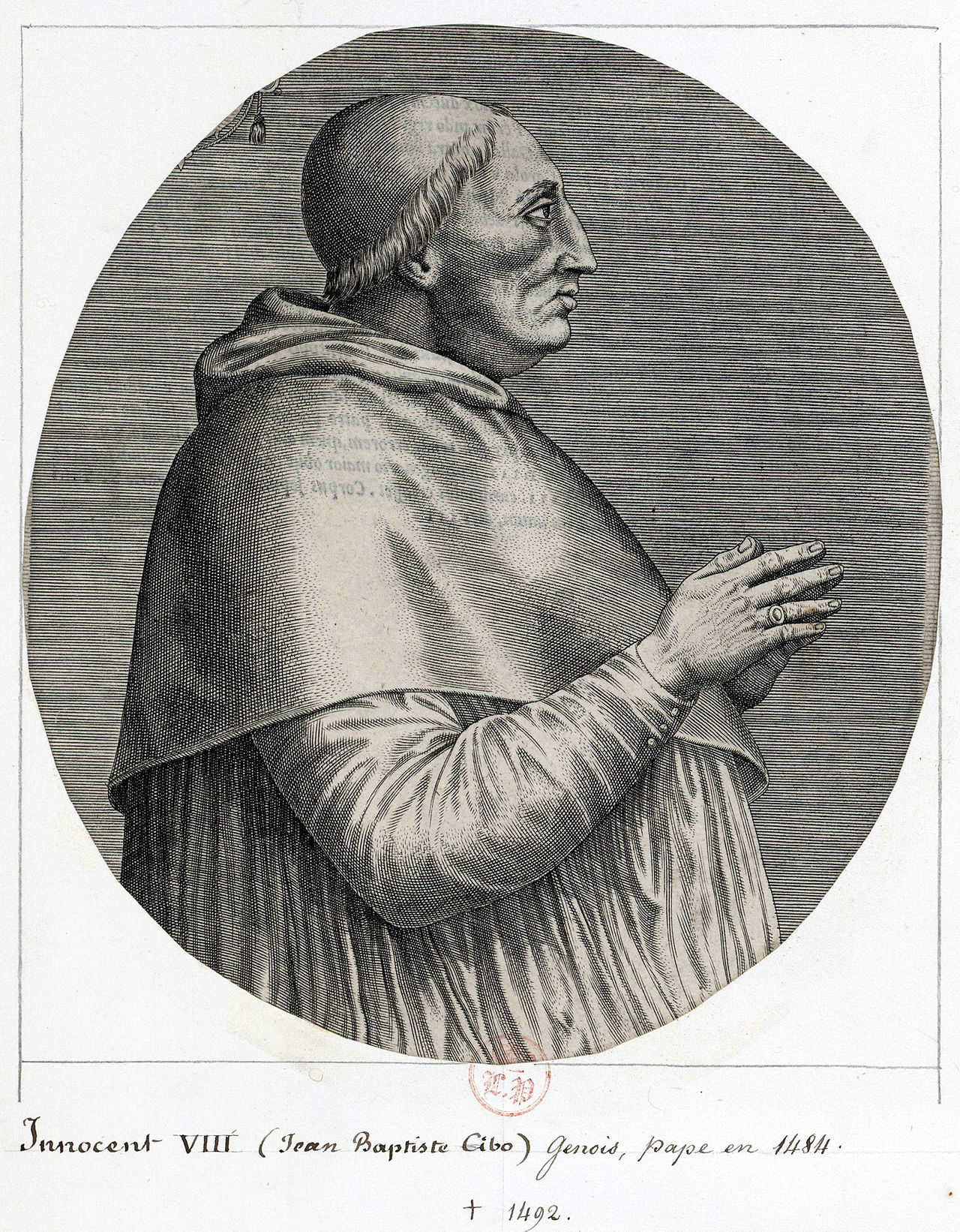



Early life and career
Cibo came from a notable Italian family and pursued a clerical career that combined pastoral work, curial administration and diplomacy. Before his election he served in several church offices and built the connections that would later shape his papal government. For a concise overview of his background see a biographical summary.
Papacy and policies
As pope Innocent VIII acted as both a spiritual leader and a secular prince. His pontificate is often associated with strong involvement in Italian politics, attempts to secure advantage for his family, and the appointment of relatives to influential posts. He acknowledged at least one illegitimate son, Franceschetto Cybo, and worked to advance his family's position.
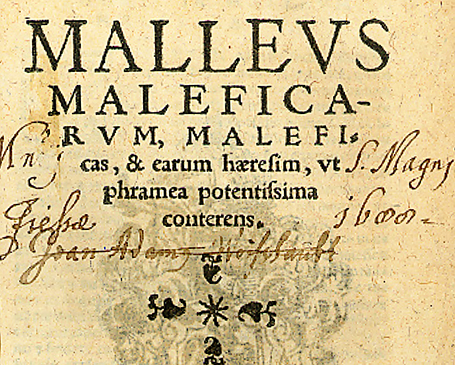
One of the most consequential acts of his reign was the 1484 papal document Summis desiderantes affectibus, which explicitly confirmed inquisitorial authority for investigators of witchcraft and has been linked to intensified witch-hunts in parts of Europe. That bull is discussed in studies of early modern persecutions and the printing of treatises on witchcraft; see material on the papal bull and its influence.
Relations and responsibilities
Innocent VIII navigated relations with Italian states and foreign rulers, balancing alliances and papal territorial interests. He engaged in diplomacy over regional disputes and attempted to maintain the independence and revenue of the Papal States at a time when secular monarchs were centralizing power. For context about his curial roles and diplomatic activity consult sources on his curial career.
Legacy and notable facts
- Nepotism and secular patronage marked his administration and invite mixed appraisals from historians.
- The 1484 bull empowering witchcraft investigations had long-term cultural consequences.
- He died in July 1492; his death opened the conclave that elected Rodrigo Borgia as Alexander VI, a succession that further shaped the Renaissance papacy (succession).
Modern assessments view Innocent VIII as a pontiff whose tenure reflected the entanglement of religious authority with dynastic and political concerns on the eve of the major upheavals of the sixteenth century.
Questions and answers
Q: Who was Pope Innocent VIII?
A: Pope Innocent VIII was an Italian cleric and the 214th Pope of the Roman Catholic Church.
Q: What was the birth name of Pope Innocent VIII?
A: The birth name of Pope Innocent VIII was Giovanni Battista Cibo.
Q: When did Pope Innocent VIII become the Pope?
A: Pope Innocent VIII became the Pope in 1484.
Q: How long did Pope Innocent VIII serve as the Pope?
A: Pope Innocent VIII served as the Pope until his death.
Q: What was Pope Innocent VIII's Latin name?
A: Pope Innocent VIII's Latin name was Innocentius Octavus.
Q: What was the profession of Pope Innocent VIII?
A: Pope Innocent VIII's profession was a cleric of the Roman Catholic Church.
Q: When did Pope Innocent VIII die?
A: Pope Innocent VIII died on July 25, 1492.
Author
AlegsaOnline.com Pope Innocent VIII (Giovanni Battista Cibo) Leandro Alegsa
URL: https://en.alegsaonline.com/art/128890