
Pope Innocent IV (Sinibaldo Fieschi): life, papacy, and legacy
Pope Innocent IV (c.1195–1254), born Sinibaldo Fieschi, led the Catholic Church 1243–1254. His pontificate is known for conflict with Emperor Frederick II, the 1245 Council of Lyon, and policies on inquisitorial procedure.
Overview
Sinibaldo Fieschi (c. 1195 – December 7, 1254) served as Pope Innocent IV from June 25, 1243 until his death. A member of the Genoese Fieschi family, he rose through the clerical ranks to lead the Roman Catholic Church. His episcopacy is noted for vigorous assertion of papal authority, extended diplomatic activity, and involvement in controversies that shaped medieval church law.
Image gallery
9 Images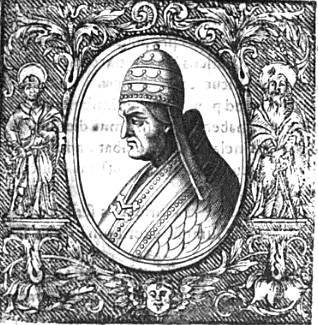


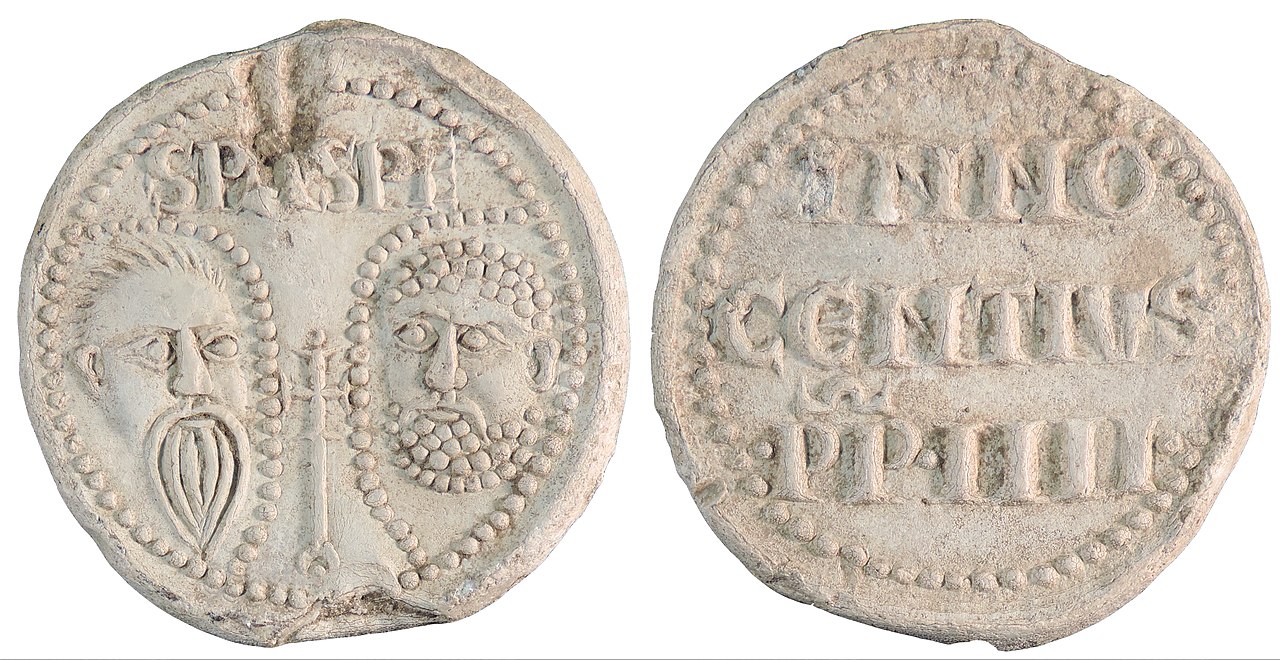



Early life and career
Born into a noble Italian household, Fieschi entered church service as a canon and later a cardinal. His background gave him ties to important Italian and European networks, which shaped his approach to governance and diplomacy once elected Pope.
Major events of his pontificate
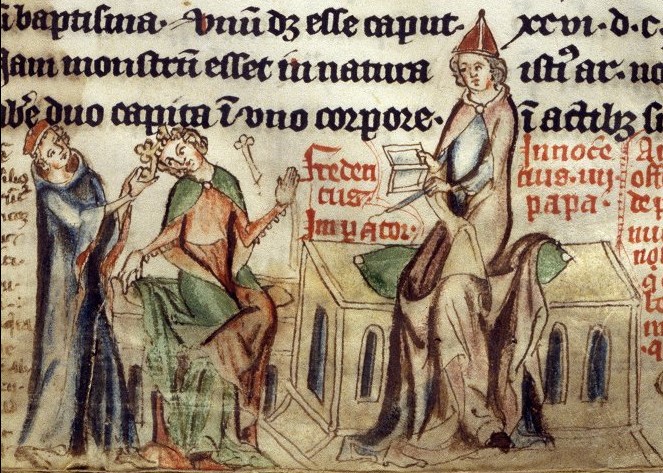
Innocent IV confronted the Holy Roman Emperor Frederick II in a prolonged struggle over imperial influence and the rights of the papacy. The conflict culminated in the papal convocation at Lyons (First Council of Lyon, 1245), where imperial policies were challenged and Frederick was formally attacked by the curia. During his exile from Rome he continued to exercise papal authority and organize allies across Christendom.
Reforms, law and inquisitorial policy
His administration pursued reforms of the papal curia and the recording of papal acts, contributing to more systematic registers and decretals. Innocent IV also issued directives affecting the inquisition; a papal constitution issued during his reign authorized measures to obtain confessions in trials, a development later discussed and criticized in debates about medieval legal practice.
Diplomacy, crusades and wider contacts
Innocent IV engaged in wide diplomatic correspondence, including contacts with rulers beyond Europe and responses to requests concerning the Crusades. He received envoys from afar and attempted to coordinate Christian efforts while balancing political realities in Italy and the empire.
Legacy and notable facts
- Often remembered for his conflict with Frederick II and the actions taken at Lyon.
- Associated with administrative reforms that influenced later papal governance.
- Issued directives that affected the practice of inquisitorial procedure and canon law.
- He is identified in lists as the 181st pontiff and is also referred to in sources as an Italian cleric.
Innocent IV died in 1254. His pontificate remains a key episode in the 13th century struggle between papal and imperial power and in the development of papal administration and legal practice. For further contextual reading see collections of papal letters and contemporary chronicles that record his interactions with European rulers and church institutions.
Questions and answers
Q: Who was Pope Innocent IV?
A: Pope Innocent IV was an Italian cleric of the Roman Catholic Church and the 181st Pope from June 25, 1243, until his death in 1254.
Q: What was Pope Innocent IV's birth name?
A: Pope Innocent IV's birth name was Sinibaldo Fieschi.
Q: When was Pope Innocent IV born?
A: Pope Innocent IV was born around 1195.
Q: How long did Pope Innocent IV serve as the Pope?
A: Pope Innocent IV served as the Pope from June 25, 1243, until his death in 1254, which is a period of almost 11 years.
Q: What was Pope Innocent IV's title as the Pope?
A: Pope Innocent IV was the 181st Pope.
Q: What was Pope Innocent IV's nationality?
A: Pope Innocent IV was an Italian.
Q: When did Pope Innocent IV die?
A: Pope Innocent IV died on December 7, 1254.
Author
AlegsaOnline.com Pope Innocent IV (Sinibaldo Fieschi): life, papacy, and legacy Leandro Alegsa
URL: https://en.alegsaonline.com/art/128885