
Pope Gregory IV (c. 795–844)
Pope from 827 to 844 who led the Roman Church during the Carolingian era, negotiated between secular rulers and local Italian powers, and patronized churches and monastic institutions.
Pope Gregory IV (born c. 795, died 25 January 844) served as bishop of Rome and head of the Western Church during a period of close interaction with the Carolingian empire. Elected in 827, his pontificate unfolded amid shifting political alliances in Italy and ongoing efforts to define the relationship between popes and emperors.
Image gallery
8 Images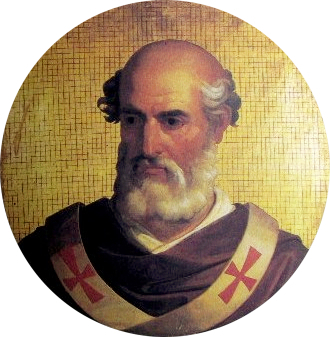




Background and election
Gregory was a Roman cleric of the early ninth century who came to the papal throne at a time when Frankish rulers exercised great influence over Italian affairs. His election reflected the need for a leader able to negotiate with secular authorities while maintaining the spiritual and administrative functions of the See of Rome.
Policies and activities
Gregory IV is noted for his efforts to strengthen ties with the Carolingian rulers and to mediate disputes among Italian nobles and bishops. He presided over synods, issued decrees concerning clerical discipline, and confirmed privileges for churches and monasteries. He also supported repair and embellishment of Roman churches and promoted the veneration of relics and saints.
Importance and legacy
While not remembered for sweeping doctrinal innovations, Gregory's pontificate helped consolidate papal administration and its cooperation with secular powers. His interventions in regional conflicts and his patronage of ecclesiastical institutions contributed to the continuity of church life in Rome and parts of Italy during a turbulent era.
Further reading
For a broader context, Gregory IV's papacy is best understood in relation to the Carolingian court and the series of ninth‑century challenges—military, political and administrative—that shaped the medieval papacy's evolving role in Europe.
Questions and answers
Q: Who was Pope Gregory IV?
A: Pope Gregory IV was an Italian priest of the Roman Catholic Church and the 102nd Pope.
Q: When was Pope Gregory IV a Pope?
A: Pope Gregory IV was a Pope from October 827 to 25 January 844.
Q: What was Pope Gregory IV's birth year?
A: Pope Gregory IV was born around 795.
Q: How long did Pope Gregory IV serve as a Pope?
A: Pope Gregory IV served as a Pope for over 16 years, from October 827 to 25 January 844.
Q: How is Pope Gregory IV known in Latin?
A: Pope Gregory IV is known as Gregorius Quartus in Latin.
Q: In what year did Pope Gregory IV die?
A: Pope Gregory IV died on 25 January 844.
Q: What is the importance of Pope Gregory IV in the history of the Roman Catholic Church?
A: Pope Gregory IV is an important figure in the history of the Roman Catholic Church as he served as a Pope for a long period of time and contributed to the development of the Church during his reign.
Author
AlegsaOnline.com Pope Gregory IV (c. 795–844) Leandro Alegsa
URL: https://en.alegsaonline.com/art/128873