
Pope Gelasius II — life, papacy and role in the investiture conflict
Pope Gelasius II (elected 1118, died 1119) led the Roman Church during renewed conflict with Emperor Henry V, endured exile and capture, and worked to defend papal independence.
Overview
Pope Gelasius II, born Giovanni of Gaeta, served as bishop of Rome from 24 January 1118 until his death on 29 January 1119. His brief pontificate took place during a turbulent phase of the long investiture conflict between the papacy and the Holy Roman Emperor. Elected while still a deacon, Gelasius faced immediate opposition from imperial forces and an imperial-backed antipope.
Image gallery
5 Images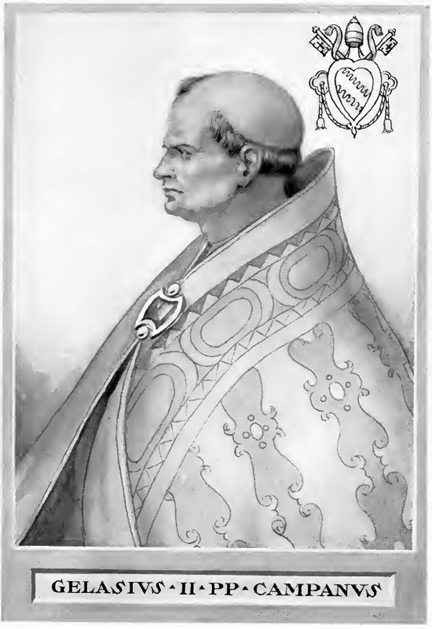


Early life and clerical career
Giovanni came from the coastal city of Gaeta in southern Italy and belonged to a Roman noble household. Before his election he held senior curial positions and was prominent among the cardinals. His election to the papacy in January 1118 required rapid clerical advancement: he was ordained a priest on 9 March 1118 in order to receive episcopal consecration and assume full papal functions.
Election and immediate crisis
The moment of Gelasius's accession coincided with renewed tensions over lay investiture. Emperor Henry V sought to assert imperial influence in Rome and to impose his own candidate as pope. Soon after his election Gelasius was seized and maltreated by hostile Roman nobles allied with imperial interests. The emperor subsequently supported the election of an antipope, later known in history as Gregory VIII.
Exile, actions, and return
Forced to leave Rome, Gelasius fled to southern Italy and later to France to gather support. From exile he took decisive measures: he publicly condemned and excommunicated Emperor Henry V and the antipope, asserting the canonical rights of the Roman See. With military help from Norman rulers in southern Italy, Gelasius was able to return to Rome under their protection in July 1118, though the city remained unstable and imperial influence continued to complicate papal authority.
Final journey and death
To strengthen his position, Gelasius travelled northward to seek allies among the French courts and monastic leaders. During this journey he reached the great abbey of Cluny, a leading spiritual and political center of the age. He died there on 29 January 1119, while still engaged in efforts to secure broader backing for papal independence.
Legacy and significance
- Gelasius II is remembered mainly for defending papal rights against imperial encroachment during the investiture controversy.
- His rapid ordination from deacon to pope, flight from Rome, and reliance on Norman protection illustrate the political fragility of the papacy in the early 12th century.
- His excommunication of Henry V and the antipope underscored the continuing struggle to define relations between secular rulers and ecclesiastical authority.
For further context about the papacy and the broader conflict in this period, see general introductions to the medieval papacy and the investiture controversy, and sources on the political role of monasteries such as Cluny in European affairs. Additional archival and scholarly material explore the short but eventful pontificate of Gelasius II and its place in the long contest between popes and emperors.
Author
AlegsaOnline.com Pope Gelasius II — life, papacy and role in the investiture conflict Leandro Alegsa
URL: https://en.alegsaonline.com/art/128869