
Pope Celestine IV (Goffredo Castiglione)
Pope Celestine IV (Goffredo Castiglione) served a very brief pontificate in 1241. Elected during a period of intense conflict between the papacy and secular powers, his reign left little time for lasting acts.
Overview
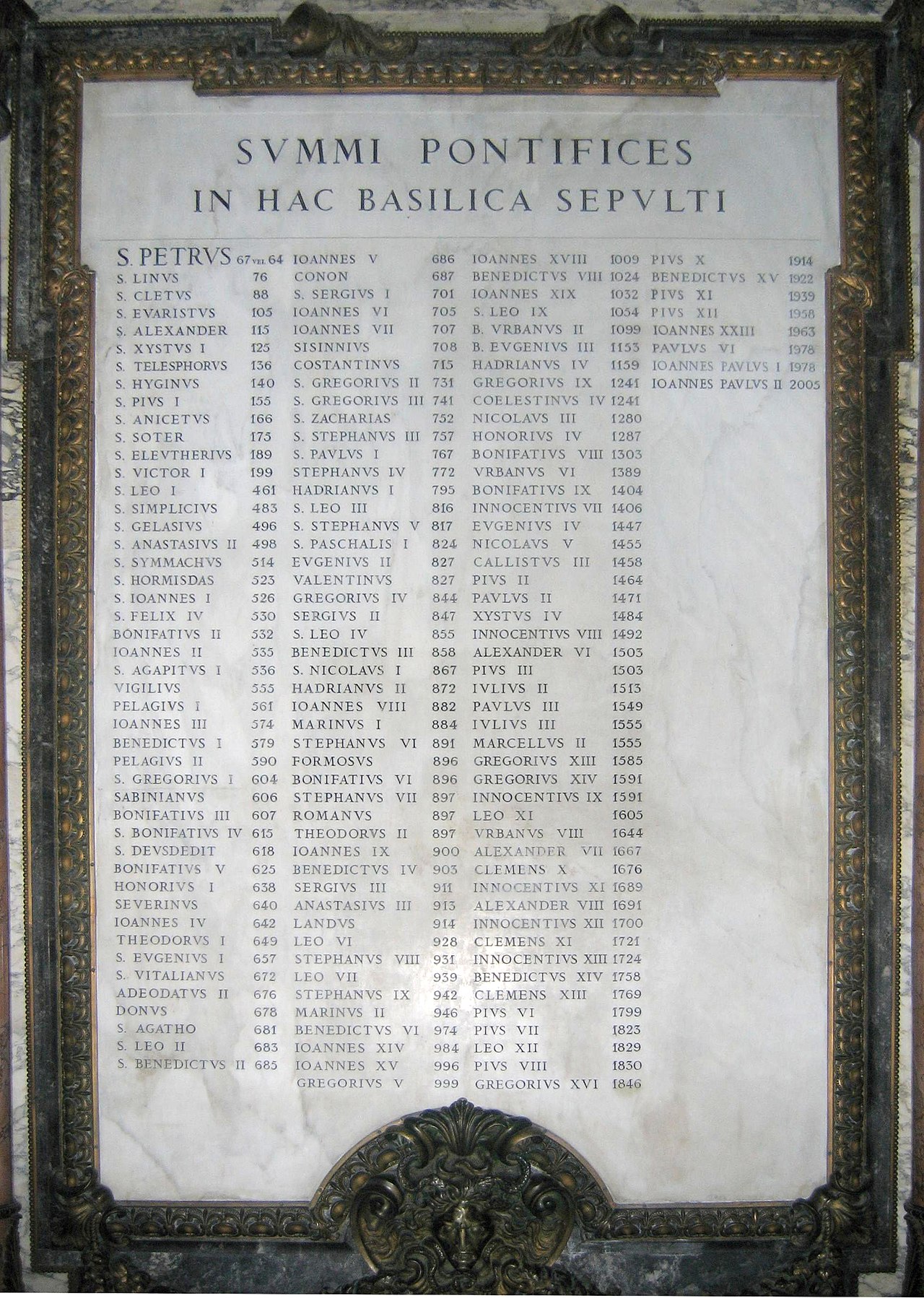
Pope Celestine IV, born Goffredo Castiglione, was an Italian cleric who became the 180th pope of the Roman Catholic Church on 25 October 1241 and died on 10 November 1241. His pontificate lasted only a matter of weeks, leaving scant records of papal legislation or major initiatives. He is often remembered for the brevity of his reign and for taking office amid a troubled political climate in Europe.
Image gallery
3 Images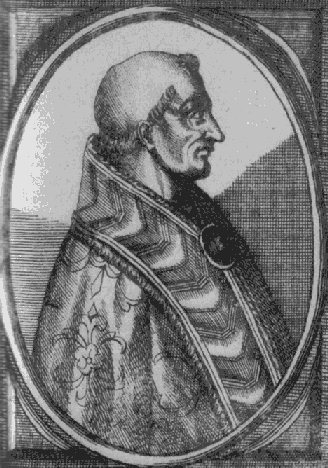
Early life and career
Biographical information for Goffredo Castiglione is limited. Contemporary accounts identify him as an experienced churchman who had served the Roman Curia and held ecclesiastical responsibilities in northern Italy. Like many medieval clerics who rose to the papacy, he was chosen for perceived competence and loyalty during a period of crisis.
Election and pontificate
Castiglione was elected pope in late October 1241. The electoral process took place against the backdrop of ongoing tensions between the papacy and secular rulers of the time. His short reign meant he had little opportunity to convene synods, issue extensive bulls, or undertake reforms. He died in Rome after roughly two weeks as pontiff.
Context and significance
The year 1241 was marked by political and military conflicts that affected papal government and decision-making. The lack of a long pontificate for Celestine IV contributed to a prolonged vacancy that followed his death and shaped the next phase of papal politics. Historians note his papacy mainly as part of the wider narrative of 13th-century Church–state struggles.
Legacy and notable points
- Very short pontificate: counted among the shortest in papal history.
- Limited surviving acts: few decrees or administrative records are attributed to him.
- Transitional figure: his election and death accelerated a difficult interregnum for the Church.
For further reference, general overviews of the medieval papacy and lists of pontiffs include entries on Celestine IV; see a concise papal list here and a more detailed chronology here. For studies of the period's political background consult specialized works on Church–state relations in the early 13th century and here.
Questions and answers
Q: Who was Pope Celestine IV?
A: Pope Celestine IV was an Italian cleric of the Roman Catholic Church and the 180th Pope for two weeks from October 25, 1241 to November 10, 1241.
Q: What was Pope Celestine IV's real name?
A: Pope Celestine IV's real name was Goffredo Castiglione.
Q: When did Pope Celestine IV serve as Pope?
A: Pope Celestine IV served as Pope for two weeks from October 25, 1241, to November 10, 1241.
Q: How did Pope Celestine IV die?
A: Pope Celestine IV died on November 10, 1241, in Rome.
Q: What was Pope Celestine IV's papal name?
A: Pope Celestine IV's papal name was Coelestinus Quartus.
Q: How many days was Pope Celestine IV Pope?
A: Pope Celestine IV was Pope for two weeks, which is equivalent to 14 days.
Q: What was Pope Celestine IV's occupation before becoming Pope?
A: Pope Celestine IV was an Italian cleric of the Roman Catholic Church before becoming Pope.
Author
AlegsaOnline.com Pope Celestine IV (Goffredo Castiglione) Leandro Alegsa
URL: https://en.alegsaonline.com/art/128856