
Pope Benedict XIV (Prospero Lambertini) — papacy, reforms, and legacy
Italian pope Prospero Lorenzo Lambertini (Benedict XIV, 1740–1758), a learned jurist and scholar who pursued canonical and liturgical reform, patronized arts and sciences, and navigated relations with Enlightenment-era states.
Overview
Prospero Lorenzo Lambertini (31 March 1675 – 3 May 1758) served as Pope Benedict XIV from 1740 until his death in 1758. He is widely remembered as one of the more learned and moderate pontiffs of the 18th century, combining legal training in canon and civil law with an interest in scholarship, pastoral care, and prudent diplomacy.
Image gallery
7 Images



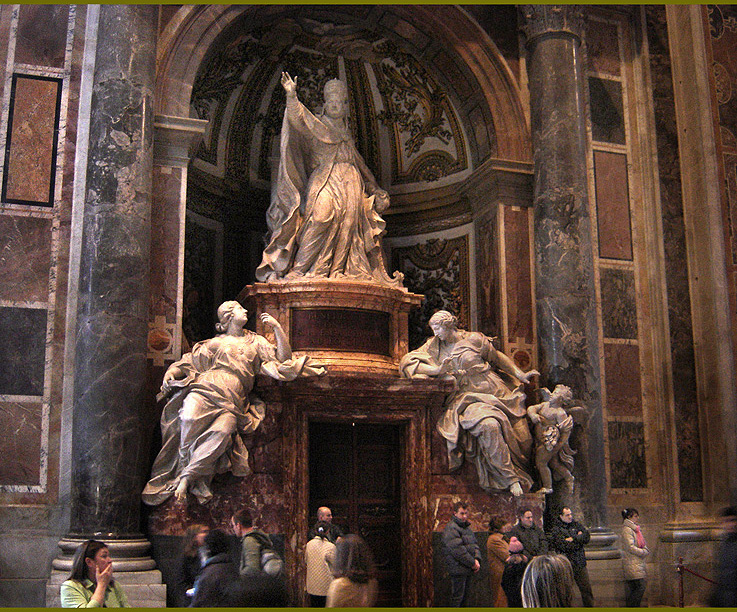

Early life and election
Born in Bologna, Lambertini studied law and theology and built a reputation in the Roman Curia for learning and temperate judgment. Elected after the death of Clement XII, his selection reflected a desire among the cardinals for a competent administrator able to manage internal reform while responding to pressures from European monarchs and emerging intellectual currents.
Reforms, scholarship and administration
Benedict XIV applied his juridical training to clarify procedures in canon law, including the processes for beatification and canonization, and he sought greater uniformity in aspects of liturgical practice. He encouraged the education of clergy, supported libraries and scholarship, and showed an openness to scientific and medical knowledge as aids to human welfare. In the Papal States he promoted efficient administration and patronized architecture and the arts.
Notable actions and policies
- Worked to regularize ecclesiastical judicial procedures and reduce abuses.
- Supported missionary activity and clergy formation while upholding doctrinal norms.
- Managed delicate relations with Catholic monarchs and responded cautiously to Enlightenment ideas.
Benedict XIV addressed controversies such as Jansenism with a balance of doctrinal firmness and pastoral restraint, seeking to preserve unity without unnecessary severity. His correspondence and patronage brought him into contact with scholars, scientists, and artists of his era.
Legacy
Historians regard Benedict XIV as a cultured and pragmatic pope whose administrative and legal reforms left a lasting imprint on the governance of the Church. He is often cited as an example of an 18th-century pontiff who tried to harmonize tradition with intellectual and social change. For additional reading, see a concise biography, his place among the list of popes, and general resources on the Catholic Church.
Predecessor: Clement XII; Successor: Clement XIII.
Questions and answers
Q: Who was Pope Benedict XIV?
A: Pope Benedict XIV was an Italian priest of the Roman Catholic Church and the 248th Pope from 1740 until his death in 1758.
Q: When was Pope Benedict XIV born?
A: Pope Benedict XIV was born on March 31, 1675.
Q: What was Pope Benedict XIV's birth name?
A: Pope Benedict XIV's birth name was Prospero Lorenzo Lambertini.
Q: How long was Pope Benedict XIV's papacy?
A: Pope Benedict XIV's papacy lasted from 1740 until his death in 1758, which is a total of 18 years.
Q: What was Pope Benedict XIV known for during his papacy?
A: Pope Benedict XIV was known for his efforts to reform the church, his support for learning, and his attempts to improve the condition of the poor.
Q: What language did Pope Benedict XIV use?
A: Pope Benedict XIV used Latin, which was the official language of the Roman Catholic Church at that time.
Q: When did Pope Benedict XIV die?
A: Pope Benedict XIV died on May 3, 1758, after serving as Pope for 18 years.
Author
AlegsaOnline.com Pope Benedict XIV (Prospero Lambertini) — papacy, reforms, and legacy Leandro Alegsa
URL: https://en.alegsaonline.com/art/128846