
Pope Alexander III (Orlando Bandinelli) — Pope from 1159 to 1181
Italian pope (c.1100–1181) whose long papacy confronted imperial opposition and antipopes, convened the Third Lateran Council, supported Thomas Becket, and strengthened papal law and diplomacy.
Pope Alexander III (born Orlando Bandinelli, c.1100–30 August 1181) led the Roman Catholic Church from 1159 until his death. His election produced a major contest within Christendom and his pontificate is remembered for prolonged conflict with the Holy Roman Emperor, the emergence of rival claimants to the see, and important reforms that shaped later church law. He is listed among the successors in the list of popes.
Raised in central Italy, Bandinelli served as a cleric and canon before becoming a leading cardinal. His reputation for learning and administrative skill made him a compromise candidate at the 1159 election. Almost immediately his authority was challenged: imperial forces backed rival claimants and several antipopes sought to fracture papal unity. Alexander relied on a combination of diplomacy, support from northern Italian communes and sympathetic monarchs, and canonical arguments to maintain his position.
Image gallery
5 Images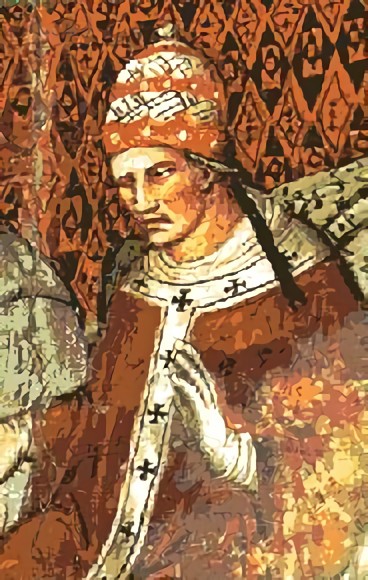


Conflict, reconciliation and diplomacy
Alexander III opposed the policies of Emperor Frederick Barbarossa, who supported papal rivals and asserted imperial rights in Italy. The dispute produced excommunications, military confrontations and a prolonged schism. Northern Italian cities formed alliances that resisted imperial control and, after military setbacks for the emperor, Alexander regained recognition across much of western Europe. A negotiated settlement in the 1170s restored relations and allowed Alexander to consolidate papal authority.
Beyond diplomacy, Alexander issued numerous decretals and letters that clarified ecclesiastical procedure; these texts later became important sources for medieval canon law. In 1179 he convened the Third Lateran Council, which addressed clerical discipline, condemned certain heresies and introduced stricter rules for papal elections and church governance. The council’s decisions influenced the operation of the church for generations.
Alexander also intervened in high-profile disputes among secular rulers. He supported the rights of Thomas Becket against King Henry II of England, and after Becket’s martyrdom the pope recognized his sanctity and used the case to assert ecclesiastical independence. Alexander’s papacy combined legal, pastoral and political activity to strengthen the office of the pope.
Notable actions and legacy
- Defense of papal prerogatives: resisted imperial encroachment and survived a schism with imperial backing.
- Third Lateran Council (1179): major reform council with long-term impact on church law and election procedures.
- Support for Becket: reinforcement of clerical immunity and church authority in disputes with secular rulers.
- Legal contributions: decretals and correspondence that later canonists used and cited.
Alexander III died on 30 August 1181. His papacy is often seen as a turning point in the twelfth-century struggle between papal and imperial power and as a period in which central aspects of medieval canon law and papal election practice were clarified and strengthened. For further reading, see more on Alexander III.
Questions and answers
Q: Who was Pope Alexander III?
A: Pope Alexander III was an Italian priest of the Roman Catholic Church who served as the 171st Pope.
Q: What was Pope Alexander III's birth name?
A: Pope Alexander III's birth name was Orlando Bandinelli.
Q: When did Pope Alexander III serve as the Pope?
A: Pope Alexander III served as the Pope from 1159 to 1181.
Q: What was Pope Alexander III's papal number?
A: Pope Alexander III was the 171st Pope.
Q: What was Pope Alexander III's official Latin name?
A: Pope Alexander III's official Latin name was Alexander Tertius.
Q: What was Pope Alexander III notable for during his time as Pope?
A: It is not mentioned in the given text what Pope Alexander III was notable for during his time as Pope.
Q: When did Pope Alexander III pass away?
A: Pope Alexander III passed away on August 30, 1181.
Author
AlegsaOnline.com Pope Alexander III (Orlando Bandinelli) — Pope from 1159 to 1181 Leandro Alegsa
URL: https://en.alegsaonline.com/art/128833