
Piet Mondrian: Life, work, and influence of a modernist pioneer
Piet Mondrian (1872–1944), Dutch painter and De Stijl pioneer. Developed neoplasticism — grid-based compositions of vertical/horizontal lines and primary colors — influencing art, design and architecture.
Overview
Piet Mondrian was a Dutch painter born in 1872 who became one of the most influential figures in 20th‑century abstract art. Trained initially in conventional landscape and figurative painting, he moved through several modern currents before arriving at the spare, geometric approach for which he is best known. His mature work reduced form to vertical and horizontal lines and planes of primary color, a system he called neoplasticism.
Image gallery
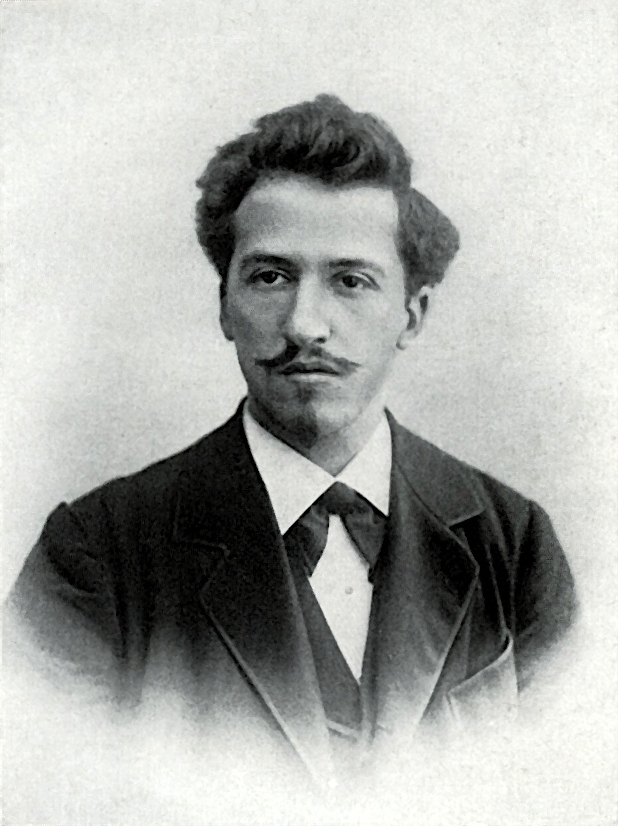
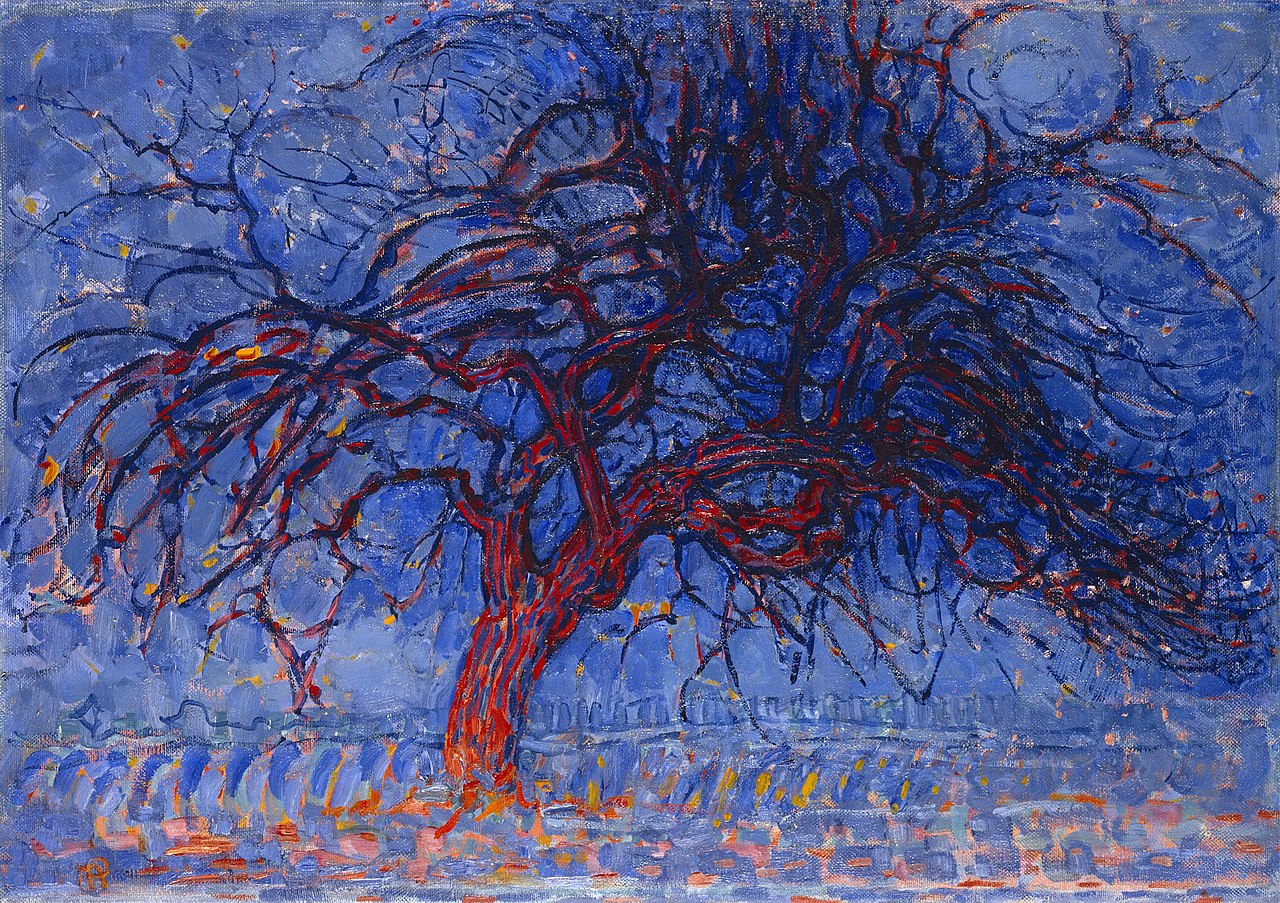
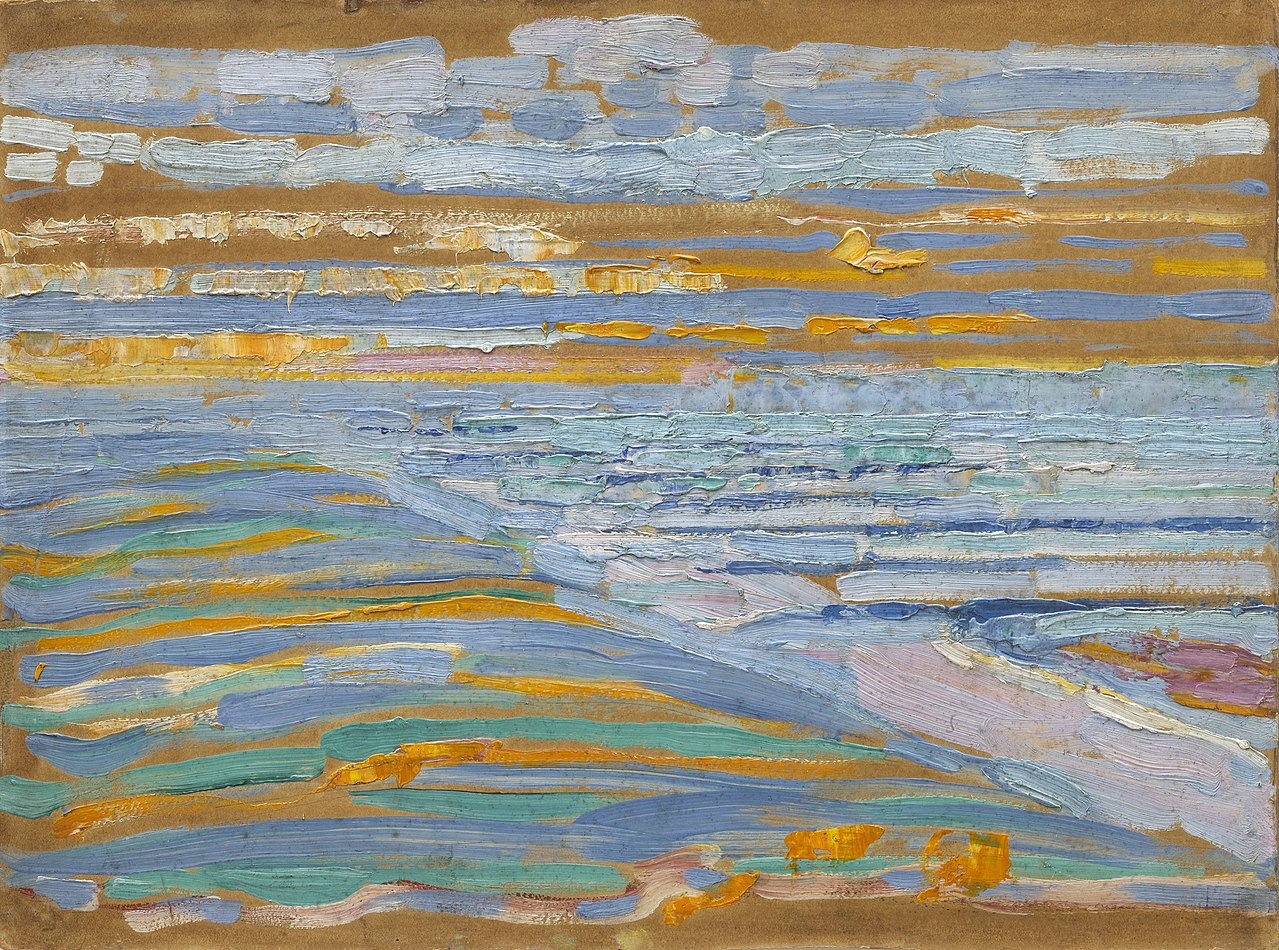
10 Images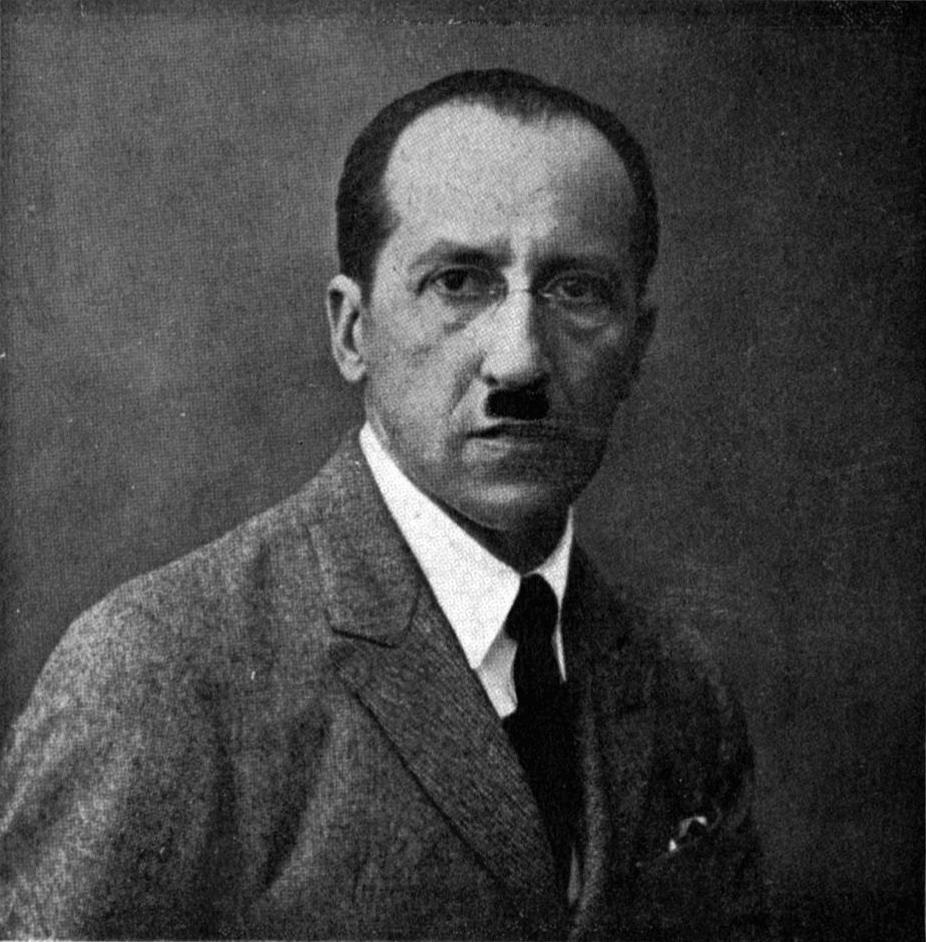





Style and characteristic elements
Mondrian’s signature compositions feature a grid of straight black (or dark) lines that define rectangular spaces filled selectively with red, blue, yellow, gray or white. He insisted on balance achieved through opposition and proportion rather than pictorial illusion. These formal choices were meant to express universal harmony and spiritual order, not representation of visible nature. Collectively he produced about 250 paintings in this geometric, non‑figurative idiom between roughly 1917 and 1944.
Development and early influences
Before turning fully abstract, Mondrian worked on abstract landscapes and experimented with the color and light concerns of the post‑Impressionist tradition. He also absorbed lessons from Cubist explorations in Paris, where simplification of form and multiple viewpoints encouraged his move toward planar abstraction. By the late 1910s he was associated with the Dutch group De Stijl, which promoted a radical, pared‑down visual language for art and design.
Career highlights and major works
After establishing his neoplastic ideas, Mondrian refined them into austere, tightly organized canvases titled with neutral labels such as Composition with Red, Blue and Yellow. Among his late masterpieces are Broadway Boogie Woogie (1942–43), a vibrant grid inspired by the rhythm of New York City, and the unfinished Victory Boogie Woogie (1944), left at his death. His output links the rigors of geometric abstraction to a lively sense of urban energy and musical tempo.
Uses, reception and legacy
Mondrian’s visual vocabulary had wide resonance beyond painting. Architects, textile designers, typographers and product designers drew on his planar, primary‑color model to signal modernity and clarity. His ideas about reduction and harmony continue to inform debates about abstraction, minimalism and the role of form in communicating ideas. Critics and historians place him among the central innovators who transformed representational art into a purely formal language.
Notable facts and further reading
- He described his mature approach as "neoplasticism," aiming for a new, universal art.
- During his career he lived and worked in the Netherlands, Paris, London and finally the United States, escaping wartime Europe in 1940.
- His relationship with contemporaries in De Stijl and artists in Paris shaped his theoretical writings and public exhibitions.
- For biographies, catalogues and curated images consult major museum resources and scholarly studies: artist profile, exhibition histories at modern art venues, and research collections on Cubism and abstract art. See also archival materials relating to his time in New York for context on his last works.
Questions and answers
Q: Who was Piet Mondrian?
A: Piet Mondrian was a Dutch modern artist.
Q: What was the De stijl group?
A: The De stijl group was a Dutch artistic movement that focused on geometric shapes and primary colors.
Q: What was Mondrian's early style of painting?
A: Mondrian's early paintings showed abstract landscapes in post-impressionist and cubist style.
Q: What is neoplasticism?
A: Neoplasticism is the style of painting that Mondrian is known for, which is characterized by the use of simple geometric shapes and primary colors.
Q: Where did Mondrian spend the last four years of his life?
A: Mondrian spent the last four years of his life in New York City.
Q: How did Mondrian's paintings change after he moved to New York?
A: After moving to New York, Mondrian's paintings started to express exuberance at city life and his style became more abstract.
Q: What inspired the yellow color in Mondrian's final painting, Broadway Boogie Woogie?
A: The yellow in Mondrian's final painting, Broadway Boogie Woogie, was apparently inspired by New York's Yellow cabs.
Author
AlegsaOnline.com Piet Mondrian: Life, work, and influence of a modernist pioneer Leandro Alegsa
URL: https://en.alegsaonline.com/art/128786