
Pierre Trudeau: Canadian leader, constitutional architect, and cultural figure
Overview of Pierre Elliott Trudeau (1919–2000): his life, leadership as Canada’s prime minister, major policies (bilingualism, multiculturalism), the 1982 Constitution and enduring legacy.
Overview
Joseph Philippe Pierre Yves Elliott Trudeau (October 18, 1919 – September 28, 2000) was a central figure in Canadian public life for more than two decades. Born and deceased in Montreal, he served as the 15th Prime Minister of Canada in two stretches, from 1968 to 1979 and again from 1980 to 1984. His tenure shaped federal policy, national identity, and the country's constitutional framework during the late 20th century.
Image gallery
10 Images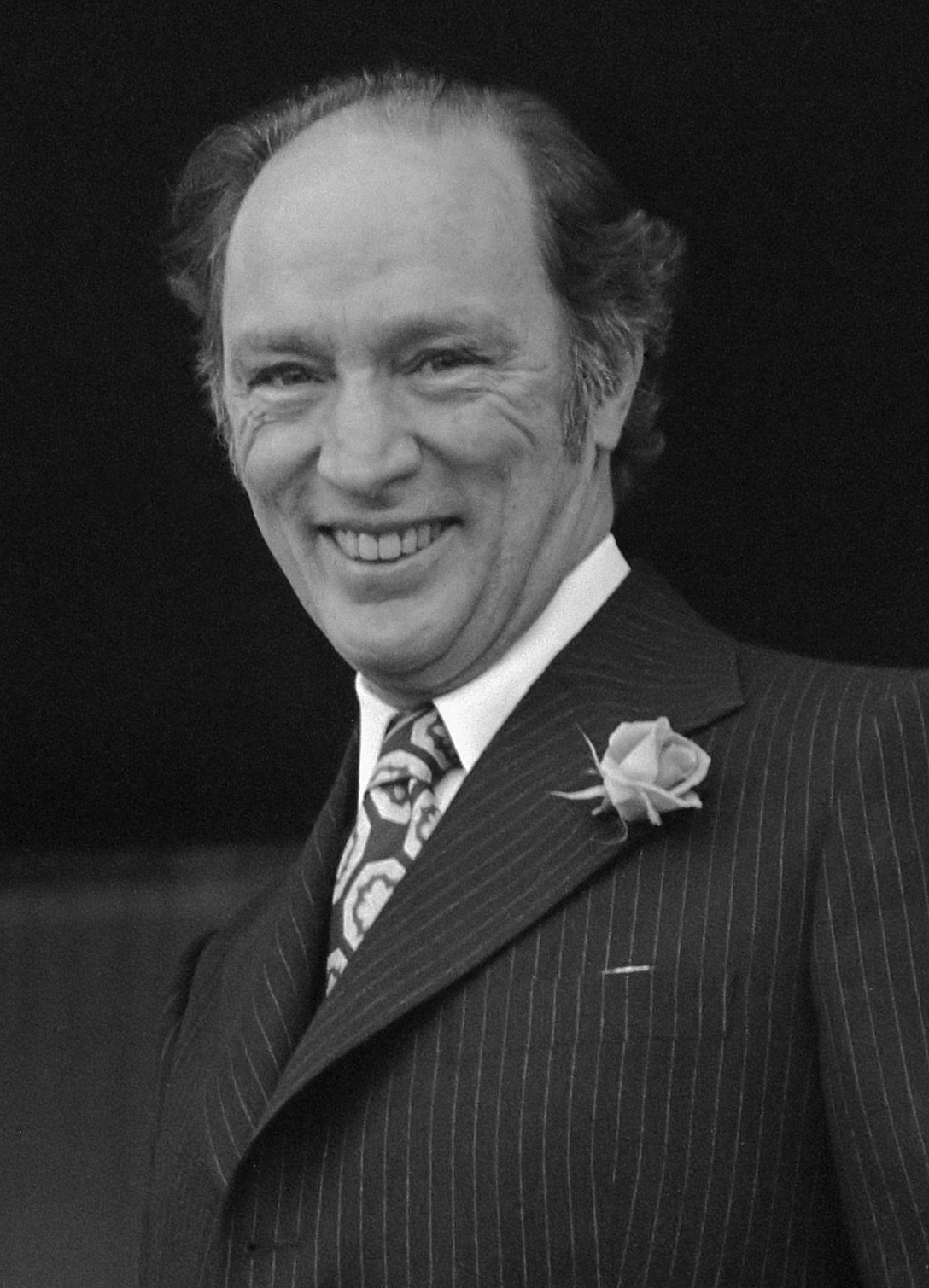


Early life and political rise
Trudeau trained as a lawyer and academic and entered federal politics as a member of the Liberal Party. His urbane persona, fluent bilingualism and charismatic public presence helped spark widespread popular enthusiasm in the late 1960s often called "Trudeaumania." For background on his early career and honors, see the biographical entry and summaries of his public distinctions in the honours list.
Prime ministership: policies and events
Trudeau’s governments advanced policies of official bilingualism and multiculturalism designed to unify a diverse federation. His time in office included high-profile crises and controversies: the October Crisis of 1970 in Quebec, which led to the federal government's invocation of the War Measures Act, and economic challenges in the 1970s and early 1980s. His approach combined strong federal authority with a commitment to individual rights.
Constitutional legacy
Arguably Trudeau’s most enduring achievement was the patriation of the Canadian Constitution and the introduction of the Canadian Charter of Rights and Freedoms in 1982. Those measures entrenched civil liberties and reshaped the legal relationship between citizens and the state. Scholars and commentators continue to assess the long-term effects of that constitutional transformation; see a scholarly profile for analysis.
Public image and influence
Trudeau combined intellectualism, theatricality and policy-driven leadership. He was a polarizing figure: admired by many for his vision of a bilingual, multicultural Canada and criticized by others for centralizing tendencies in federal politics. His style left a strong imprint on Canadian political culture during the 1970s and beyond.
Legacy and family
His contributions to Canada’s institutions and public life remain widely discussed. He is often cited in debates about national unity, civil liberties and the role of the federal government in a plural society. His family continued in public service: his son, Justin Trudeau, later entered federal politics and became Prime Minister. Trudeau’s life and record are also integral to accounts of modern Canada and its evolution.
- Notable events: October Crisis, patriation of the Constitution, introduction of the Charter.
- Key themes: bilingualism, multiculturalism, federalism, civil rights.
Questions and answers
Q: Who was the 15th Canadian Prime Minister?
A: Joseph Philippe Pierre Yves Elliott Trudeau was the 15th Canadian Prime Minister.
Q: When did he serve as Prime Minister?
A: He served as Prime Minister from 1968 to 1979, and then again from 1980 to 1984.
Q: What is his son's name?
A: His son is Justin Trudeau, who is currently the 23rd Canadian Prime Minister.
Q: Where was Joseph Philippe Pierre Yves Elliott Trudeau born?
A: He was born in Montreal, Canada on October 18, 1919.
Q: Where did he die?
A: He died in Montreal, Canada on September 28, 2000.
Q: Is he thought of highly by Canadians today?
A: Yes, many Canadian citizens today consider him to have been the greatest Canadian Prime Minister ever.
Author
AlegsaOnline.com Pierre Trudeau: Canadian leader, constitutional architect, and cultural figure Leandro Alegsa
URL: https://en.alegsaonline.com/art/128773