
Pierre Alechinsky — Belgian painter, printmaker, and CoBrA artist
Pierre Alechinsky (born 1927) is a Belgian-born painter and printmaker associated with CoBrA, known for dynamic, calligraphic abstraction, illustrated books and a synthesis of European avant-garde and East Asian ink traditions.
Overview
Pierre Alechinsky (born 19 October 1927, Brussels) is a Belgian-born artist who has lived and worked in France since 1951. He rose to prominence after World War II as part of the European avant-garde and is widely associated with the CoBrA group. Alechinsky's work spans painting, drawing, printmaking and illustrated books and is noted for its energetic line, vivid color washes and recurring use of sign-like motifs.
Image gallery
2 Images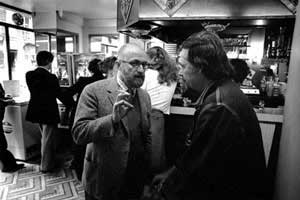
Style and techniques
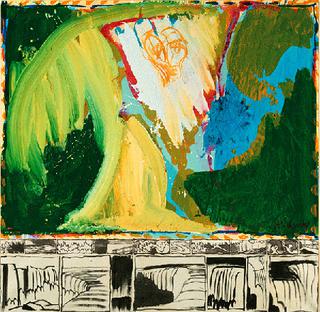
Alechinsky combines spontaneous gesture with deliberate compositional structure. He frequently uses ink, brushes and water-based pigments alongside oil and print techniques. Calligraphic strokes, looping lines and schematic figures create a visual vocabulary that recalls both children's drawing and East Asian calligraphy. Recurrent themes are mark-making, motion and the tension between control and accident.
History and influences
In the late 1940s and early 1950s Alechinsky became involved with CoBrA, a collective of painters and poets that emphasized freedom, experimentation and inspiration from folk and naive art. During his career he studied ink traditions and printmaking methods, incorporating Japanese and Chinese calligraphic influences into a European abstract idiom. His move to France provided contact with broader artistic circles and publishing opportunities.
Media, works and projects
His output includes large canvases, graphic works, lithographs, etchings and a substantial body of illustrated books and artist's notebooks. He has completed murals and several public commissions, and his prints have been widely reproduced. Alechinsky often treats the page itself as a field for continuous drawing, producing sequences of images that function as visual narratives.
Legacy and reception
Critics and curators recognize Alechinsky for bridging postwar European abstraction with older calligraphic practices, helping to expand the language of gestural painting. His combination of humor, immediacy and disciplined draftsmanship has influenced generations of painters and printmakers. For biographical details and exhibition histories see relevant museum pages and selected catalogues on artist resources. Additional critical essays and image archives are available via specialized art sites: further reading.
- Typical media: ink, watercolor, oil, lithography and etching.
- Associated movements: CoBrA, tachisme, lyrical abstraction.
- Notable traits: calligraphic line, playful motifs, book illustration.
While this summary highlights major aspects of Alechinsky's career and style, readers interested in exhibitions, catalogues raisonnés or detailed chronology should consult museum collections and specialist monographs for comprehensive documentation.
Author
AlegsaOnline.com Pierre Alechinsky — Belgian painter, printmaker, and CoBrA artist Leandro Alegsa
URL: https://en.alegsaonline.com/art/128758